Opis
Kompresor azotowy ZW-0,97/7,5~30 – kompaktowy, bezolejowy wzmacniacz N2 o zmiennym wlocie do recyklingu pod średnim ciśnieniem
Zaprojektowana z myślą o wydajności 0,97 m³/min przy ciśnieniu tłoczenia 3,00 MPa i ciśnieniu wlotowym 0,75 MPa, sprężarka ZW-0.97/7.5~30 to dwustopniowa, jednorzędowa, bezolejowa tłokowa sprężarka azotu przeznaczona do recyklingu azotu na małą skalę, układów boosterowych do skraplania gazu oraz zastosowań procesowych średniego ciśnienia o zmiennych warunkach wlotowych. Zerowy poziom zanieczyszczenia oleju, ultrakompaktowa konstrukcja i zoptymalizowana pod kątem pracy ciągłej.
Przegląd produktu
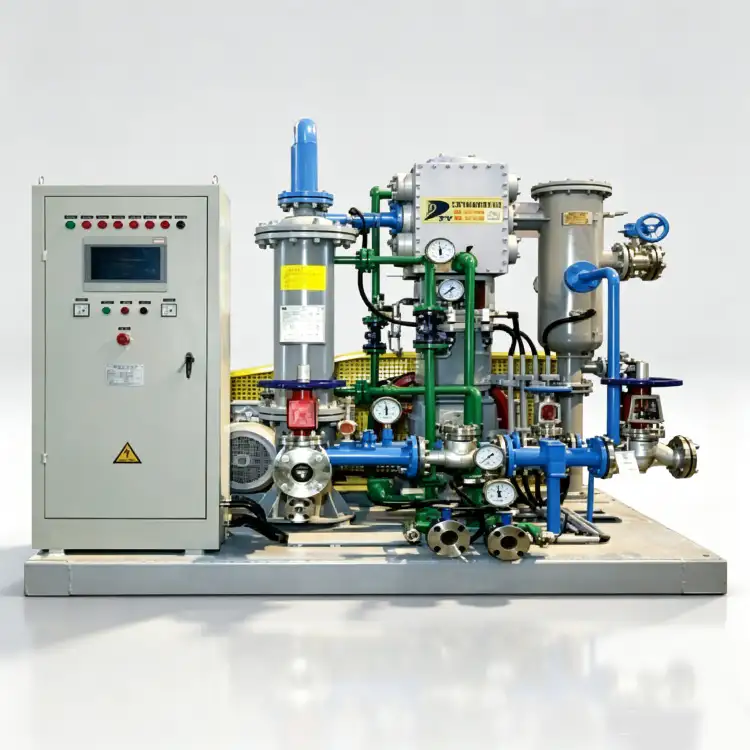
Ten Kompresor azotu ZW-0,97/7,5~30 jest kompaktowym, ale wydajnym rozwiązaniem w naszej rodzinie sprężarek tłokowych bezolejowych, wyróżniającym się zmienna zdolność do ciśnienia wlotowego od 0,75 MPa do ciśnienia wylotowego 3,00 MPa. Przy wydajności znamionowej 0,97 m³/min i ciśnienie wylotowe 3,00 MPa, jednostka ta plasuje się w segmencie urządzeń podstawowych w naszej ofercie sprężarek azotowych wysokociśnieniowych, zachowując przy tym tę samą rygorystyczną konstrukcję co nasze większe modele.
Cechą wyróżniającą sprężarkę ZW-0.97/7.5~30 jest możliwość przyjmowania azotu na wlocie pod ciśnieniem do 0,75 MPa, co wskazuje oznaczenie modelu „7.5~30” (odpowiadające zakresowi ciśnienia na wlocie od 0,75 MPa do 3,0 MPa). Ta zmienna możliwość regulacji ciśnienia na wlocie eliminuje potrzebę redukcji ciśnienia po stronie wlotowej podczas zasilania z kolektorów azotowych średniego ciśnienia lub odpowietrzników procesowych, co poprawia ogólną wydajność systemu i zmniejsza straty ciśnienia. W razie potrzeby sprężarka może również pracować przy ciśnieniu atmosferycznym lub niskim, zapewniając wyjątkową elastyczność pracy w instalacjach małej skali.
Kompresor wykorzystuje dwustopniowy, jednorzędowy (二列一级) Konfiguracja zoptymalizowana pod kątem umiarkowanego stosunku ciśnień wymaganego przy doładowaniu od 0,75 MPa do 3,00 MPa. Konstrukcja jednorzędowa minimalizuje złożoność mechaniczną i zajmowaną powierzchnię, a układ dwustopniowy zapewnia wydajną pracę termodynamiczną i kontrolowane temperatury tłoczenia. Każdy stopień posiada niezależne chłodzenie, co zapewnia integralność elementów uszczelniających PTFE nawet podczas długotrwałej pracy pod wysokim ciśnieniem.
Dane techniczne – ZW-0,97/7,5~30
| Parametr | Wartość | Jednostka |
|---|---|---|
| Model | ZW-0,97/7,5~30 | – |
| Wzór | Dwustopniowy, jednorzędowy (二列一级) | – |
| Pojemność | 0,97 (wlot 0,75 MPa) | m³/min |
| Ciśnienie wylotowe | 3.00 | MPa |
| Zakres ciśnienia wlotowego | 0.75 ~ 3.00 | MPa |
| Rozmiar sprężarki (dł. × szer. × wys.) | 2035 × 1240 × 2234 | mm |
| Waga | 2.60 | T |
| Moc | 45 | kW |
| Woltaż | 380 | V |
| Medium gazowe | Azot (N₂) | – |
| Smarowanie | Bez oleju | – |
* Wszystkie parametry podano w standardowych warunkach odniesienia (ISO 1217, załącznik C). Rzeczywista wydajność może się różnić w zależności od wysokości nad poziomem morza, temperatury otoczenia i warunków na wlocie. Wydajność podano przy ciśnieniu wlotowym 0,75 MPa; rzeczywista wydajność zmienia się wraz z ciśnieniem wlotowym.
Kluczowe cechy i zalety inżynieryjne
1. Zmienna zdolność do regulacji ciśnienia wlotowego (0,75–3,00 MPa)
ZW-0,97/7,5~30 jest wyjątkowo zaprojektowany, aby przyjmować azot wlotowy przez szeroki zakres ciśnień od 0,75 MPa do 3,00 MPaZmienna wydajność wlotowa została osiągnięta dzięki solidnej konstrukcji zaworów i rozmiarom cylindrów, które umożliwiają dostosowanie do zmiennej gęstości ssania bez narażania na uszkodzenia mechaniczne. Przy zasilaniu z kolektora azotowego o średnim ciśnieniu 0,75 MPa, sprężarka pracuje z nominalną wydajnością 0,97 m³/min. Wraz ze wzrostem ciśnienia wlotowego w kierunku ciśnienia tłoczenia, sprężarka przechodzi w tryb utrzymywania ciśnienia lub recyrkulacji, stopniowo zmniejszając zużycie energii. Ta elastyczność eliminuje potrzebę stosowania regulatorów ciśnienia lub zaworów dławiących przed sprężarką, które marnowałyby energię i generowały hałas, dzięki czemu sprężarka ZW-0,97/7,5~30 idealnie nadaje się do pętli recyrkulacji azotu i systemów procesowych ze zmiennym ciśnieniem przed sprężarką.
2. Ultrakompaktowa konstrukcja do instalacji w ograniczonej przestrzeni
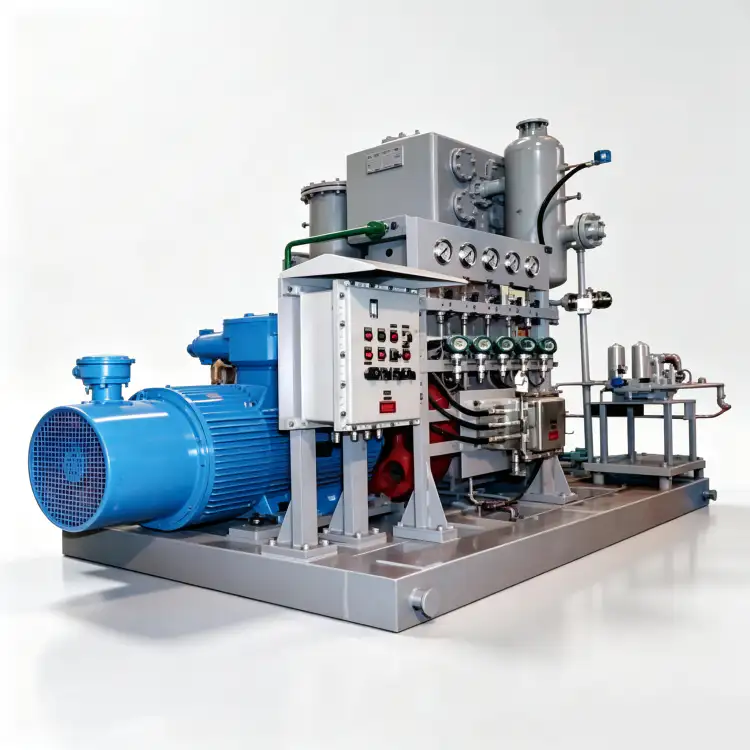
Na 2035 × 1240 × 2234 mmModel ZW-0.97/7.5~30 zajmuje mniej niż 2,5 m² powierzchni użytkowej, co czyni go jedną z najbardziej kompaktowych, bezolejowych sprężarek azotowych wysokociśnieniowych dostępnych na rynku. Tę wydajność wymiarową uzyskano dzięki pionowo zorientowanej konstrukcji skrzyni korbowej i jednorzędowemu układowi cylindrów, który minimalizuje długość maszyny. Przy zaledwie 2,60 tonyUrządzenie można transportować i ustawiać za pomocą standardowego wózka widłowego, co eliminuje potrzebę stosowania suwnic i specjalistycznego osprzętu. Ta kompaktowa konstrukcja jest szczególnie cenna w przypadku instalacji modernizacyjnych w istniejących zakładach przetwórczych, systemach kontenerowych i mobilnych jednostkach dostarczających azot, gdzie przestrzeń jest ograniczona.
3. Uszczelnienie kompozytowe PTFE bez oleju do zastosowań wysokociśnieniowych
W modelu ZW-0,97/7,5~30 zastosowano opatentowaną technologię samosmarujący pierścień tłokowy i zespół nośny Wykonane z wysokowydajnych kompozytów PTFE wzmocnionych włóknem szklanym i cząstkami brązu. Materiał ten osiąga współczynnik tarcia poniżej 0,06 bez zewnętrznego smarowania węglowodorowego, zapewniając całkowitą czystość strumienia azotu. Przy ciśnieniu wylotowym 3,00 MPa, ciśnienie parcjalne par oleju uległoby znacznemu zwiększeniu, co sprawia, że konstrukcja bezolejowa jest absolutnie niezbędna w zastosowaniach wymagających azotu o wysokiej czystości. Formuła PTFE została specjalnie zaprojektowana do pracy ciągłej w temperaturach do 180°C, zapewniając niezawodną szczelność pod wpływem naprężeń termicznych występujących podczas sprężania pod wysokim ciśnieniem.
4. Standardowy napęd 380 V o niskim poborze mocy
ZW-0,97/7,5~30 jest napędzany przez Silnik indukcyjny trójfazowy 45 kW, 380 V, 50 Hz Zgodny z normą IEC 60034-1, klasa sprawności IE3. Niewielkie zapotrzebowanie na moc, wynoszące 45 kW, sprawia, że urządzenie to jest dostępne praktycznie w każdym obiekcie przemysłowym ze standardową dystrybucją 380 V, bez konieczności modernizacji infrastruktury elektrycznej ani rozdzielnic średniego napięcia. Niskie zużycie energii przekłada się również na niższe koszty eksploatacji i mniejsze zapotrzebowanie na chłodzenie, dzięki czemu ZW-0,97/7,5~30 jest ekonomicznie atrakcyjną opcją dla małych i średnich instalacji azotowych.
Scenariusze zastosowań
Recykling i odzysk azotu na małą skalę
W małych zakładach przetwórstwa chemicznego i zakładach obróbki gazów ZW-0,97/7,5~30 służy jako sprężarka z recyrkulacją azotu który odzyskuje azot z odpowietrzników procesowych i ponownie podnosi go do wymaganego ciśnienia dystrybucji. Zmienna możliwość wlotu ma kluczowe znaczenie w tych zastosowaniach, ponieważ odzyskany azot może znajdować się pod dowolnym ciśnieniem między ciśnieniem atmosferycznym a ciśnieniem roboczym procesu. Sprężarka automatycznie dostosowuje się do dostępnego ciśnienia wlotowego, utrzymując wydajną pracę w pełnym zakresie. Ta funkcja recyklingu zmniejsza zużycie azotu o 30–50% w porównaniu z systemami z przepływem jednorazowym, zapewniając znaczne oszczędności kosztów operacyjnych w małych zakładach, gdzie liczy się każdy wzrost wydajności.
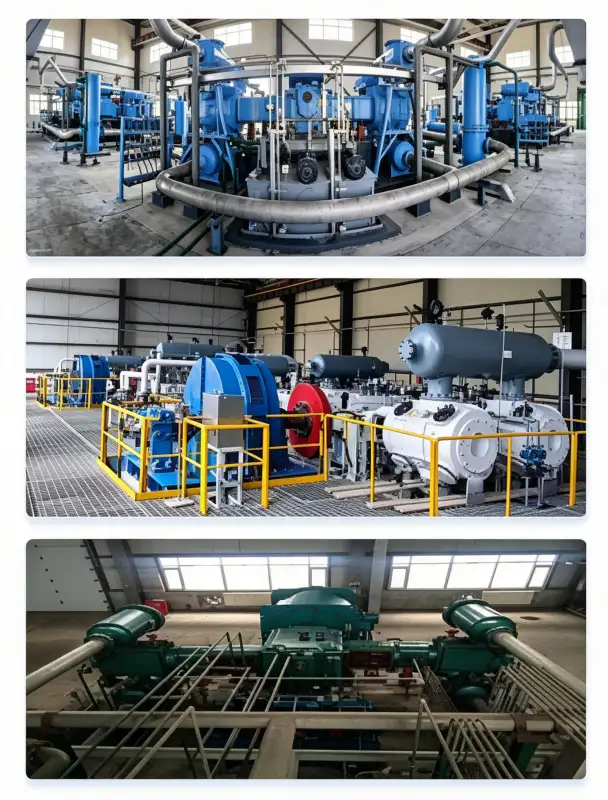
Skraplanie gazu i praca jako wzmacniacz kriogeniczny
W małych zakładach skraplania azotu i systemach kriogenicznych Wzmacniacz azotu ZW-0,97/7,5~30 Spręża azot z parownika skraplaczowego lub zbiornika magazynowego do ciśnienia wymaganego do dystrybucji lub dalszego przetwarzania. Ciśnienie wylotowe 3,00 MPa jest wystarczające do podawania azotu pod wysokim ciśnieniem do kriogenicznych systemów magazynowania, przetłaczania azotu przez wymienniki ciepła lub zasilania urządzeń procesowych wysokiego ciśnienia. Zmienna przepustowość wlotowa pozwala sprężarce pobierać azot bezpośrednio ze skraplacza pod ciśnieniem roboczym, eliminując pośredni spadek ciśnienia i poprawiając ogólną wydajność instalacji.
Instalacja pilotażowa i badania i rozwój w zakresie dostaw azotu wysokociśnieniowego
Laboratoria badawcze i zakłady chemiczne na skalę pilotażową wymagają stosowania azotu pod wysokim ciśnieniem inertyzacja reaktora wysokociśnieniowego, testowanie katalizatorów pod ciśnieniem i eksperymenty z płynami nadkrytycznymiKompaktowe wymiary i standardowe zasilanie 380 V sprawiają, że model ZW-0,97/7,5~30 idealnie nadaje się do instalacji w pomieszczeniach laboratoryjnych lub budynkach instalacji pilotażowych. Ciśnienie wylotowe 3,00 MPa jest wystarczające do większości zastosowań wysokociśnieniowych w skali pilotażowej, a certyfikat bezolejowości gwarantuje, że czystość azotu spełnia rygorystyczne wymagania eksperymentów i urządzeń analitycznych klasy badawczej. Zmienna pojemność wlotowa jest szczególnie cenna w środowiskach badawczo-rozwojowych, gdzie warunki eksperymentalne często się zmieniają.
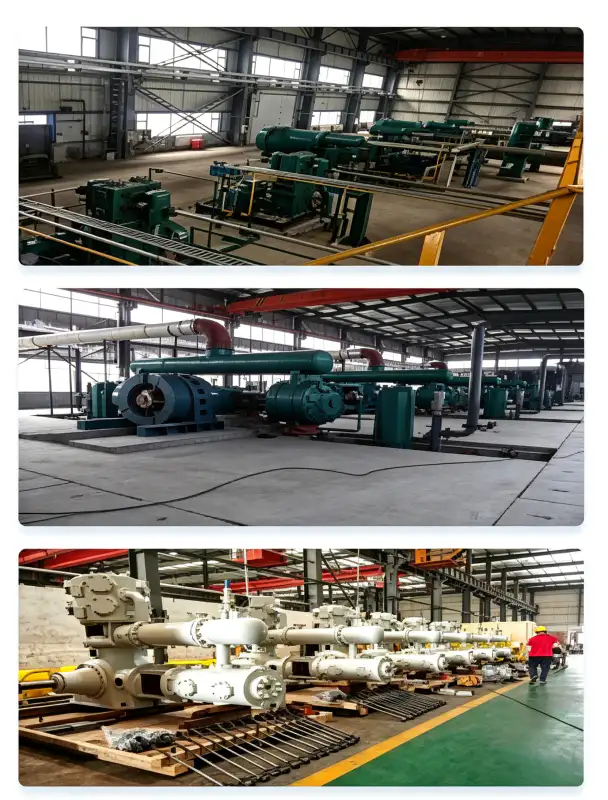
Utrzymywanie ciśnienia w kolektorze średniego ciśnienia
W obiektach przemysłowych z kolektorami dystrybucyjnymi azotu o średnim ciśnieniu (0,75–1,50 MPa) często wymagane jest sprężarka do utrzymania ciśnienia Aby zrekompensować wahania zapotrzebowania i straty w rurociągach. ZW-0,97/7,5~30 może pobierać azot bezpośrednio z kolektora przy ciśnieniu roboczym i podnosić je do 3,00 MPa dla odbiorców wysokociśnieniowych lub z powrotem do kolektora, aby utrzymać ciśnienie w okresach szczytowego zapotrzebowania. Ten dwutrybowy tryb pracy zapewnia wyjątkową elastyczność operacyjną i zmniejsza potrzebę stosowania oddzielnych sprężarek, co czyni go ekonomicznym rozwiązaniem dla małych i średnich instalacji.
Materiały i budownictwo
ZW-0,97/7,5~30 jest wykonany z materiałów dobranych pod kątem kompatybilności z azotem pod wysokim ciśnieniem, odporności termicznej i zwartej integralności strukturalnej:
| Część | Tworzywo | Specyfikacja |
|---|---|---|
| Blok cylindrów (LP) | Żeliwo szare | GG25 / HT250, standardowa grubość ścianki |
| Blok cylindrów (HP) | Żeliwo szare | GG25 / HT250, ścianka wzmocniona + żebrowanie |
| Wał korbowy | Kuta stal stopowa | 42CrMo4, Q&T, dynamicznie wyważone |
| Pierścienie tłokowe | Kompozyt PTFE-szkło-brąz | Wysokociśnieniowy, samosmarujący, maks. 180°C |
| Zespoły Rider | Kompozyt PTFE | Prowadzenie tłoka, zapobiegające zadrapaniom |
| Płytki zaworowe | Stal nierdzewna | SS316, konstrukcja pierścienia koncentrycznego wysokociśnieniowego |
| Chłodnica międzystopniowa | Skorupa ze stali węglowej / Rury SS316 | ASME VIII Div.1, 1,5× hydrotest |
| Chłodnica końcowa | Skorupa ze stali węglowej / Rury SS316 | Rura żebrowana wysokociśnieniowa, woda chłodząca 32°C |
| Rurociągi wysokociśnieniowe | Stal nierdzewna bezszwowa | Kołnierze SS316, ANSI klasy 600 |
Wszystkie elementy przenoszące ciśnienie są projektowane i wytwarzane zgodnie z ASME BPVC Sekcja VIII Dział 1 lub chińskie normy GB 150. Każde złącze spawane poddawane jest badaniu radiograficznemu (RT) 100% zgodnie z sekcją V, artykułem 2 normy ASME, a każdy ukończony zbiornik ciśnieniowy poddawany jest próbie ciśnieniowej hydrostatycznej przy 1,5-krotności maksymalnego dopuszczalnego ciśnienia roboczego (MAWP) przez minimalny okres przetrzymania 30 minut. Systemy rurociągów wysokociśnieniowych są wykonane z bezszwowej stali SS316 z połączeniami kołnierzowymi ANSI klasy 600, co gwarantuje szczelność przy ciśnieniu roboczym 3,00 MPa.
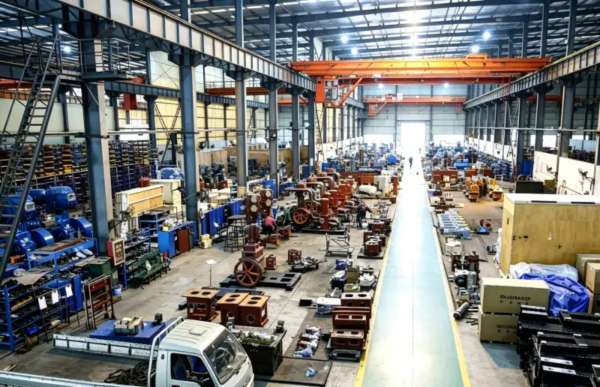
Wytyczne dotyczące instalacji i konserwacji
Fundamenty i wymagania przestrzenne
ZW-0,97/7,5~30 ma masę własną wynoszącą 2,60 tony i środek ciężkości położony około 700 mm nad płytą fundamentową. płyta żelbetowa o ciężarze 4–5 ton jest wystarczający do stabilnej pracy, zamontowany na elastomerowych izolatorach drgań (częstotliwość drgań własnych 8–12 Hz). Konstrukcja jednorzędowa generuje umiarkowane siły niezrównoważone, które można łatwo kontrolować standardowymi metodami fundamentowania. Minimalne wymagania dotyczące prześwitu: 1,0 m po stronie przeciwnej do napędu w celu zapewnienia dostępu do zaworu, 0,8 m po stronie napędu w celu konserwacji silnika i 1,5 m nad ziemią w celu zapewnienia dostępu dla dźwigu. Szczególną uwagę należy zwrócić na rurociągi tłoczne wysokiego ciśnienia, które muszą być odpowiednio podparte i zakotwiczone, aby zapobiec zmęczeniu materiału wywołanemu drganiami przy ciśnieniu 3,00 MPa.
Specyfikacje wody chłodzącej
Zapotrzebowanie na wodę chłodzącą wynosi około 8 m³/godz. przy temperaturze wlotowej nieprzekraczającej 32°C. Obieg dystrybucji wody zasila płaszcze cylindrów i chłodnicę międzystopniową równolegle. Ze względu na wysoki stosunek ciśnień, chłodnica międzystopniowa ma kluczowe znaczenie dla zarządzania temperaturą i musi być priorytetowo zasilana przepływem wody chłodzącej. Specyfikacje jakości wody: pH 6,5–8,5, całkowita zawartość substancji rozpuszczonych < 500 mg/l, zawartość chlorków < 50 mg/l (aby zapobiec korozji rur ze stali SS316), zawartość zawiesin < 30 mg/l i twardość całkowita < 300 mg/l jako CaCO₃. W przypadku lokalizacji o słabej jakości wody zaleca się stosowanie wieży chłodniczej z obiegiem zamkniętym i filtracją strumienia bocznego.
Harmonogram konserwacji zapobiegawczej
| Interwał | Pozycja serwisowa | Wymagane działanie |
|---|---|---|
| Codziennie | Inspekcja operacyjna | Sprawdź wibracje, nietypowe hałasy, przepływ wody chłodzącej, ciśnienie wylotowe, temperaturę |
| 250 godzin | Kontrola płyty zaworowej | Wyjąć i sprawdzić zawory ssące/tłoczne pod kątem osadów węglowych, zmęczenia sprężyn, pęknięć |
| 1000 godzin | Ocena zużycia pierścieni tłokowych | Zmierz luz rowka pierścienia; wymień pierścienie, jeśli luz przekracza 0,20 mm |
| 3000 godzin | Remont pośredni | Wymień wszystkie pierścienie tłokowe, opaski zaciskowe i zespoły płyt zaworowych |
| 6000 godzin | Remont generalny | Sprawdź czopy wału korbowego, zmierz luzy łożysk głównych, wymień łożyska, jeśli >0,08 mm |
Bezolejowa konstrukcja ZW-0,97/7,5~30 znacznie upraszcza konserwację w porównaniu z alternatywami smarowanymi. Nie ma potrzeby wymiany oleju, analizy oleju, wymiany filtrów ani wymiany wkładu separatora. Głównymi materiałami eksploatacyjnymi są: Pierścienie tłokowe i opaski zaciskowe PTFE, które zazwyczaj osiągają żywotność 3000–5000 godzin w warunkach czystego azotu. Płytki zaworowe wysokociśnieniowe mogą wymagać częstszych przeglądów niż ich odpowiedniki niskociśnieniowe ze względu na zwiększone naprężenia mechaniczne, ale ogólne koszty konserwacji pozostają znacznie niższe niż w przypadku układów smarowanych olejem.
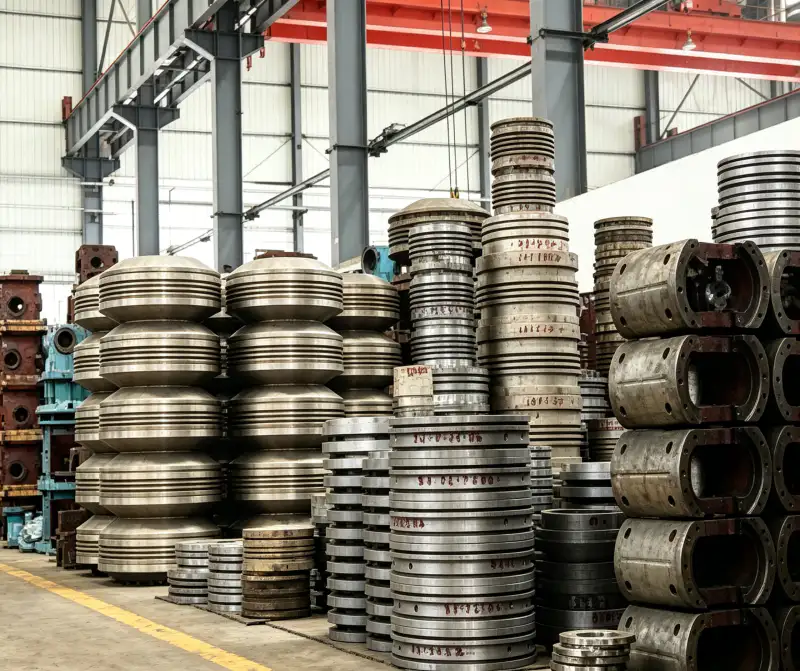
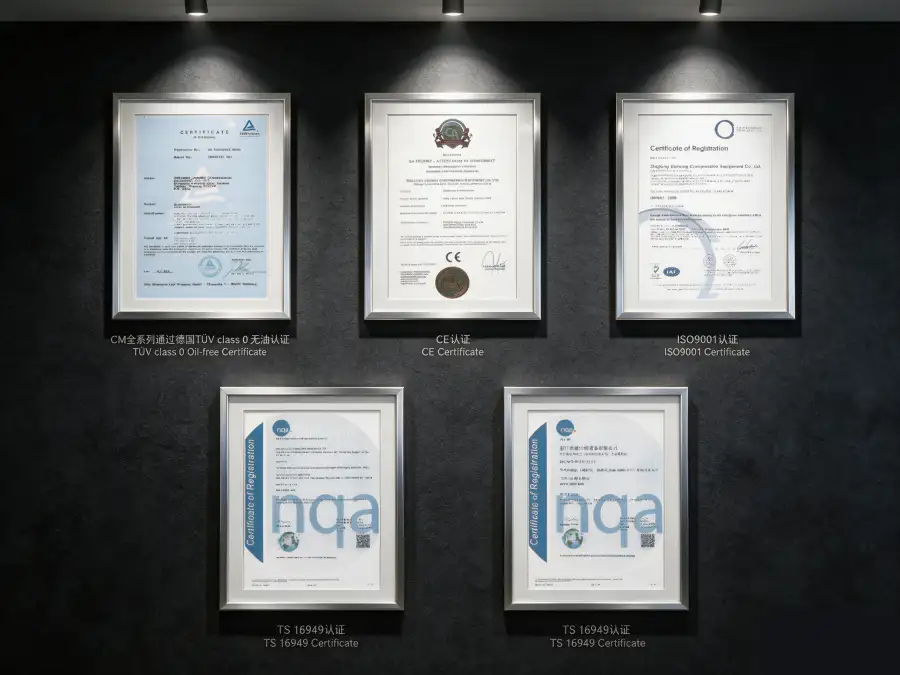
Certyfikaty zgodności i bezpieczeństwa
Kompresor azotowy ZW-0,97/7,5~30 został zaprojektowany, wyprodukowany i przetestowany tak, aby spełniał lub przekraczał następujące międzynarodowe normy i ramy regulacyjne:
ASME BPVC Sekcja VIII Dział 1, GB 150-2011, PED 2014/68/UE Moduł A
IEC 60034-1 (sprawność IE3), IEC 60204-1, ISO 12100 bezpieczeństwo maszyn
ISO 8573-1 Klasa 0 (zawartość oleju), niezależne badanie przeprowadzone przez TÜV Rheinland
ISO 9001:2015, ISO 14001:2015
Azot jest klasyfikowany jako prosty gaz duszący. Przy ciśnieniu wylotowym 3,00 MPa ryzyko gwałtownego uwolnienia gazu i wyparcia tlenu jest znacznie podwyższone. Wszystkie instalacje ZW-0,97/7,5~30 muszą być wyposażone w ciągły monitoring niedoboru tlenu w pomieszczeniu sprężarki i przyległych obszarach. Rurociągi tłoczne wysokiego ciśnienia muszą być wyposażone w zawory bezpieczeństwa o ciśnieniu znamionowym 110% (maksymalnego dopuszczalnego ciśnienia roboczego) oraz w przepony bezpieczeństwa jako zabezpieczenie wtórne. Systemy wentylacyjne muszą utrzymywać stężenie tlenu w otoczeniu powyżej 19,5% zgodnie z OSHA 29 CFR 1910.146. Awaryjne blokady wyłączania powinny aktywować się przy 19,5% O₂ (alarm) i automatycznie odciąć do 18,0% O₂ (wyłączenie awaryjne). Personel musi zostać przeszkolony w zakresie protokołów bezpieczeństwa dotyczących gazów wysokociśnieniowych przed obsługą lub konserwacją tego urządzenia.
Analiza wydajności i efektywności
ZW-0,97/7,5~30 osiąga jednostkowe zużycie energii około 46,39 kW na m³/min azotu przy ciśnieniu wylotowym 3,00 MPa z wlotu 0,75 MPa. Chociaż ta moc jednostkowa wydaje się wysoka w wartościach bezwzględnych, prawdziwa przewaga wydajności leży w możliwość przyjęcia wysokiego ciśnienia wlotowego bez marnowania energii na redukcję ciśnieniaW porównaniu do układów, które dławią azot o ciśnieniu 0,75 MPa do ciśnienia atmosferycznego przed ponownym sprężeniem do 3,00 MPa, ZW-0,97/7,5~30 pozwala zaoszczędzić około 45–55% energii sprężania, wykorzystując bezpośrednio dostępne ciśnienie wlotowe.
W przypadku 8000-godzinnego rocznego cyklu operacyjnego w typowym zastosowaniu recyklingu azotu, zmienna zdolność wlotowa ZW-0,97/7,5~30 zapewnia około Oszczędność energii od 80 000 do 120 000 kWh w porównaniu z systemami wymagającymi redukcji ciśnienia w górnym biegu rzeki. Przy $0,08/kWh oznacza to roczną redukcję kosztów energii elektrycznej o $6400–$9600. W połączeniu z eliminacją materiałów eksploatacyjnych związanych z ropą naftową i uniknięciem urządzeń oczyszczających w dolnym biegu rzeki, całkowity koszt posiadania sprężonego azotu z recyklingiem ulega zmniejszeniu o szacunkowo 30–40% w ciągu 10-letniego okresu eksploatacji.
Brak oleju w kanale sprężania jest szczególnie cenny w zastosowaniach z recyklingiem, ponieważ wszelkie zanieczyszczenia olejowe gromadziłyby się w zamkniętym obiegu azotu, stopniowo pogarszając jakość produktu i potencjalnie zanieczyszczając urządzenia procesowe. Konstrukcja bezolejowa ZW-0,97/7,5~30 gwarantuje nieograniczony czas utrzymania czystości azotu podczas recyklingu.
Możliwości personalizacji i OEM
Oferujemy elastyczne opcje dostosowywania, aby dostosować ZW-0,97/7,5~30 do konkretnych warunków na miejscu i wymagań integracyjnych:
- Pakiety montowane na płozach: Wstępnie zmontowany kompresor, silnik, chłodnice, oprzyrządowanie i panel sterowania na stalowej ramie konstrukcyjnej z gniazdami na wózek widłowy. Ogranicza instalację w terenie wyłącznie do podłączeń elektrycznych i wody chłodzącej.
- Mobilne jednostki przyczepowe: Urządzenie ZW-0,97/7,5~30 można zamontować na dopuszczonej do ruchu drogowego przyczepie ze zintegrowanym generatorem diesla, układem chłodzenia i zbiornikiem azotu, tworząc w pełni mobilną jednostkę dostarczającą azot na place budowy, do prac konserwacyjnych rurociągów i reagowania w sytuacjach awaryjnych.
- PLC i zdalny monitoring: Opcjonalny sterownik PLC Siemens LOGO! lub S7-1200 z ekranem dotykowym HMI, łącznością Ethernet i alarmami SMS/e-mail. Zgodność z Modbus TCP/IP do integracji SCADA.
- Obudowy akustyczne: Kompaktowa obudowa dźwiękochłonna o stopniu ochrony IP54, redukująca hałas od 82 dB(A) do 68 dB(A) w odległości 1 metra, przeznaczona do instalacji wewnątrz pomieszczeń w środowiskach wrażliwych na hałas, takich jak laboratoria i maszynownie sąsiadujące z biurami.
- OEM i marka własna: Niestandardowe schematy malowania, markowe tabliczki znamionowe i lokalna dokumentacja dla dystrybutorów sprzętu gazowego i integratorów systemów.
Dostępne są konfiguracje niestandardowe MOQ 1 jednostkaOferty inżynieryjne są zazwyczaj dostarczane w ciągu 3–5 dni roboczych. Standardowy czas dostawy wynosi 10–12 tygodni; przyspieszona dostawa w ciągu 8 tygodni jest dostępna dla zamówień spełniających kryteria.
Studium przypadku: Optymalizacja recyklingu azotu w zakładzie pilotażowym
Klient: Specjalistyczny zakład badawczo-rozwojowy w dziedzinie chemikaliów w Singapurze, w którym eksploatowanych jest wiele reaktorów wysokociśnieniowych na skalę pilotażową
Wyzwanie: Zakład kupował butle z azotem wysokociśnieniowym do operacji inertyzacji i przedmuchu reaktora, zużywając około 200 butli miesięcznie, co kosztowało 14 000 rupii miesięcznie (TP4T15 000). Zużyty azot był odprowadzany do atmosfery pod ciśnieniem 0,60–0,90 MPa po przejściu przez reaktory, co stanowiło znaczne marnotrawstwo zarówno gazu, jak i energii. Zakład chciał odzyskać i poddać recyklingowi ten azot, ale potrzebował kompaktowej sprężarki, która mogłaby przyjmować zmienne ciśnienie wlotowe i zwiększać je do 2,50 MPa w celu ponownego wykorzystania w układzie zasilania reaktora wysokociśnieniowego.
Rozwiązanie: Dostarczyliśmy Kompresor azotowy bezolejowy ZW-0,97/7,5~30 skonfigurowany na kompaktowej platformie ze zintegrowaną chłodnicą międzystopniową, chłodnicą końcową i panelem sterowania Siemens LOGO! PLC. Zmienna możliwość wlotu pozwoliła sprężarce na pobieranie azotu bezpośrednio z kolektora odpowietrzającego reaktora przy dowolnym dostępnym ciśnieniu (0,60–0,90 MPa), eliminując potrzebę regulacji ciśnienia przed reaktorem. Przed reaktorem zainstalowano zbiornik wyrównawczy o pojemności 0,5 m³ w celu tłumienia wahań ciśnienia w cyklu reaktora wsadowego.
Wyniki ilościowe po 18 miesiącach:
- Zakup butli z azotem: Zredukowano o 72% (od 200 do 56 cylindrów/miesiąc), oszczędność $10 800/miesiąc
- Emisje azotu z odpowietrzników: Zredukowano o 72%, poprawa zgodności z przepisami dotyczącymi ochrony środowiska
- Zanieczyszczenie olejem w poddanym recyklingowi azocie: <0,01 mg/m³, zapewniając brak skażenia reaktora
- Dostępność sprężarki: 97.8% ponad 18 miesięcy, z przestojem jedynie na planowaną konserwację
- Okres zwrotu: 1,4 roku w oparciu o same oszczędności kosztów cylindra
„Dzięki ZW-0,97/7,5~30 nasze zaopatrzenie w azot przestało być kosztownym wydatkiem i stało się systemem o obiegu zamkniętym. Zmniejszyliśmy zakupy butli o prawie trzy czwarte, a kompaktowe rozmiary pozwoliły nam zainstalować je w istniejącym pomieszczeniu gospodarczym bez żadnych przeróbek. Zmienny wlot był kluczem do sukcesu tego projektu”. — Kierownik ds. operacji badawczo-rozwojowych, zakład chemii specjalistycznej
FAQ i przewodnik wyboru
Powiązane produkty i rozwiązania
Sprężarka azotowa o zmiennym wlocie ZW-2.1/8~25
Sprężarka bezolejowa o większej wydajności i zmiennym ssaniu (2,1 m³/min, 2,50 MPa) z ciśnieniem wlotowym 0,80 MPa. Idealna do zastosowań w średniej skali w systemach recyrkulacji azotu i systemach skraplania gazu.
Wysokociśnieniowe sprężarki azotowe serii DW
Seria DW, zaprojektowana dla ciśnień tłoczenia od 0,40 MPa do 2,00 MPa, obejmuje wtrysk azotu, podnoszenie ciśnienia w rurociągach wysokociśnieniowych oraz syntezę chemiczną. Wydajności od 2 do 130 m³/min.
Sprężarki azotowe o dużej wydajności serii LW
Wysokoprzepływowe bezolejowe sprężarki tłokowe (20–130 m³/min) do kriogenicznego zasilania rezerwowego ASU, wspomagania VPSA i dystrybucji rurociągami przemysłowymi. Ciśnienie tłoczenia od 0,30 do 0,80 MPa.
Aby uzyskać kompleksowy przegląd naszych sprężarka azotu przemysłowego Jeśli chcesz poznać naszą ofertę obejmującą bezolejowe sprężarki tlenu, sprężarki wodoru, sprężarki dwutlenku węgla i niestandardowe rozwiązania w zakresie gazów specjalistycznych, skontaktuj się z naszym zespołem inżynierów aplikacji lub przejrzyj nasz internetowy katalog produktów.
Gotowy na optymalizację swojego małego systemu recyklingu azotu?
Nasi inżynierowie aplikacji są do Państwa dyspozycji, aby ocenić Państwa wymagania dotyczące przepływu azotu, warunki ciśnienia wlotowego, docelowe ciśnienie wylotowe oraz ograniczenia integracji. W ciągu 48 godzin od otrzymania zapytania dostarczamy bezpłatne propozycje techniczne, rysunki techniczne, schematy orurowania i oprzyrządowania (P&ID) oraz szczegółowe analizy całkowitego kosztu posiadania (TCO).
E-mail: sprzedaż@n2-compressor.com | Odpowiedź w ciągu 24 godzin