
Quand un compresseur d'azote nécessite une révision
Utilisez les tendances convergentes des conditions – et non une seule date calendaire – pour décider si l’arrêt doit cibler une vanne, un système d’étanchéité ou une révision plus large du compresseur.
Une révision générale doit rétablir l'état et les performances mécaniques connus lors d'un arrêt planifié. Cependant, une révision trop précoce entraîne un gaspillage de pièces et de temps d'arrêt, tandis qu'une attente trop longue risque de provoquer une panne. La décision repose sur une analyse de l'état de la machine, prenant en compte les exigences du constructeur, les inspections réglementaires, les heures et les démarrages de fonctionnement, la sévérité des charges, les vibrations, les performances des soupapes, les fuites d'étanchéité, l'état des segments ou des cylindres, l'état des roulements, l'analyse du lubrifiant le cas échéant, la capacité et l'équilibre thermique. Une seule soupape défectueuse ne justifie pas nécessairement une révision complète ; en revanche, une baisse de capacité, une augmentation des vibrations, de multiples problèmes d'étanchéité et une détérioration des roulements ou de l'huile peuvent l'exiger. L'objectif est de définir le périmètre d'intervention minimal permettant de rétablir la fiabilité tout en ouvrant suffisamment la machine pour traiter les mécanismes d'usure interagissant.
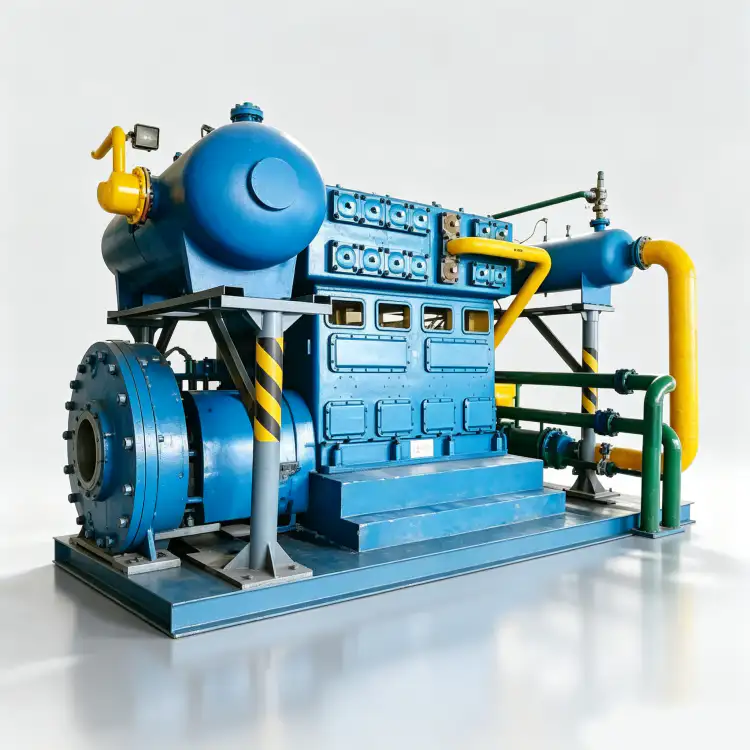
Indicateurs d'état de révision
- tendance en matière de vibrations
- Mesures de vibrations répétables dans le temps, aux mêmes points et dans les mêmes conditions de fonctionnement, utilisées pour détecter les changements mécaniques.
- performance des soupapes
- Preuves de l'étanchéité et de la dynamique des soupapes d'aspiration et de refoulement à partir de la capacité, de la pression d'étage, de la température et de l'historique des inspections.
- porter des bagues
- Détérioration des éléments d'étanchéité du piston évaluée par la capacité, les fuites de compression, l'inspection et des critères dimensionnels spécifiques au modèle.
- condition de roulement
- Preuves mécaniques et de lubrification indiquant l'état des paliers principaux, de vilebrequin, de bielle, de traverse ou autres paliers de la conception sélectionnée.
- analyse du pétrole
- Évaluation en laboratoire ou sur le terrain de la contamination du lubrifiant, des débris d'usure, de la viscosité, de l'oxydation ou d'autres paramètres utilisés dans un programme de surveillance de l'état.
- perte de capacité
- Réduction du débit normalisé délivré ou des performances de montée en pression dans des conditions d'aspiration, de refoulement, de température, de vitesse et de contrôle comparables.
1. Normaliser les performances avant de signaler un déclin d'usure
Comparez le débit de référence fourni, le taux de remplissage du réservoir et la puissance à pression d'aspiration, température d'aspiration, pression de refoulement, vitesse et état de contrôle identiques. Par temps chaud, en cas de pression de produit du générateur plus faible, de modification des conditions de référence du débitmètre ou d'augmentation de la demande de l'installation, un compresseur en bon état peut paraître moins performant. Seule la perte de capacité normalisée doit être prise en compte pour la décision de révision.
Utilisez l'équilibre pression-température de chaque étage en fonction de sa capacité. Un écart sur un seul étage peut indiquer la nécessité de réparer une vanne ou un refroidisseur. Une détérioration généralisée sur plusieurs étages, accompagnée de fuites et de vibrations, suggère qu'une intervention plus approfondie pourrait être justifiée.
2. Recherchez plusieurs indicateurs de condition indépendants évoluant de concert.
Les indicateurs suivants doivent être pris en compte : vibrations, température des paliers, débit d’air de purge des garnitures, températures des étages liés aux vannes, état des filtres et des refroidisseurs, pression et analyse du lubrifiant, démarrages, arrêts et capacité normalisée. Un capteur défectueux constitue un indice insuffisant ; plusieurs tendances indépendantes évoluant dans la même direction justifient pleinement une inspection planifiée.
Évaluez la variation ainsi que la valeur absolue. Une valeur élevée et stable, déjà examinée par le fabricant, diffère d'une valeur en augmentation rapide. Définissez des seuils d'alerte dans la stratégie de maintenance afin qu'une accélération de la tendance fasse l'objet d'une intervention technique avant la prochaine date d'arrêt programmé.
Pour que les équipes d'ingénierie et d'achat restent sur la même base, reliez cette exigence aux besoins du site. révision du compresseur d'azote information. La vérification croisée ici est liée à l'avertissement basé sur l'état du compresseur d'azote, qui doit être révisé.
3. Distinguer la réparation des composants de la révision complète.
Une soupape défaillante, malgré la stabilité des paliers, des segments, des vibrations, de la lubrification et du débit, peut justifier une réparation ciblée. Une fuite importante au niveau de la garniture, associée à une tige endommagée, peut nécessiter une intervention sur la garniture et la tige. L'usure des segments, combinée à la détérioration du cylindre, peut exiger une inspection du cylindre et une intervention sur le piston. Une révision complète s'avère plus judicieuse lorsque plusieurs systèmes d'usure majeurs requièrent une intervention simultanée ou lorsque le constructeur impose un contrôle interne périodique.
Analysez le chevauchement des tâches. L'ouverture d'un châssis pour l'inspection d'un roulement peut permettre d'effectuer d'autres contrôles à moindre coût, tandis qu'un démontage inutile peut engendrer des risques de contamination et de remontage. Déterminez le périmètre de l'intervention en vous basant sur des preuves, les exigences obligatoires et l'analyse économique des arrêts de production, plutôt que de supposer que chaque intervention majeure doit systématiquement remplacer toutes les pièces d'usure.
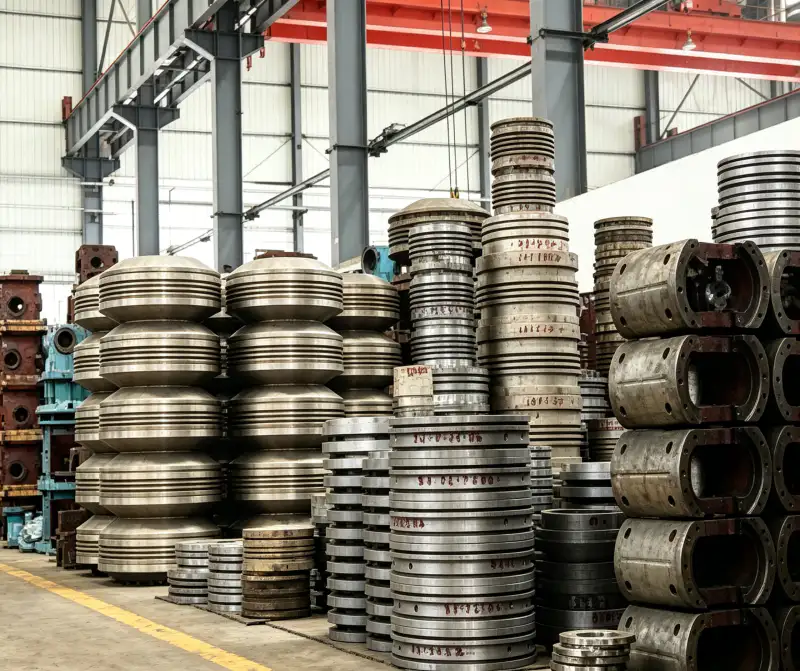
4. Utilisez des roulements, une lubrification et des indicateurs de vibrations pour protéger les organes de roulement.
Pour les organes de roulement lubrifiés, examinez les tendances des analyses d'huile, les débris filtrés, la pression, la température et la consommation. Une augmentation des métaux d'usure ou de la contamination nécessite une interprétation en fonction des matériaux des composants et des opérations de maintenance récentes. Ne condamnez pas un roulement sur la base d'un seul échantillon sans avoir vérifié la qualité et la tendance de l'échantillonnage, mais ne négligez pas des résultats anormaux répétés.
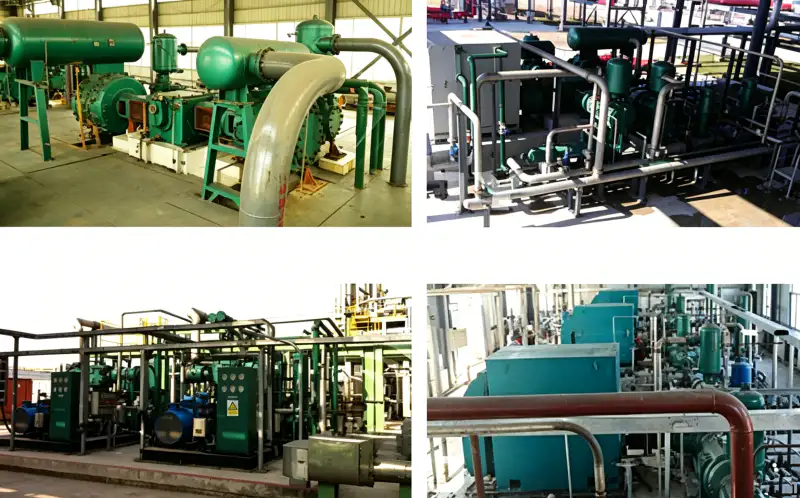
Les vibrations et la température des paliers peuvent fournir des indications complémentaires. L'apparition d'une nouvelle harmonique, d'un nouveau type d'impact, d'une hausse de température ou d'une modification du comportement de la traverse peut justifier une inspection interne plus précoce. Il convient d'utiliser les limites du compresseur et du système de surveillance plutôt que des valeurs de vibration génériques.
5. Planifiez l'interruption de service avant que la situation n'impose une interruption d'urgence.
Dès que les tendances indiquent une période propice à la révision, procurez-vous les vannes, segments, garnitures, roulements, joints d'étanchéité, filtres, instruments et outils spéciaux nécessaires en fonction de l'étendue prévue des travaux. Examinez les pièces à long délai de livraison et déterminez si les résultats de l'inspection nécessitent un usinage ou le remplacement de composants. Préparez les ressources nécessaires au levage, au nettoyage, aux mesures et aux sous-traitants avant l'arrêt.
Mesurez les performances avant révision dans des conditions stables. Ces mesures indiquent les points à améliorer lors de la révision et permettent de détecter les problèmes d'assemblage au redémarrage. Si le compresseur est critique, vérifiez la capacité de l'azote de secours ou alternatif avant de mettre hors service la machine principale.
Pour une vérification croisée spécifique à l'application, utilisez le site compresseur de gaz azote Cette page présente les données de fonctionnement mesurées mentionnées ci-dessus. La vérification croisée concerne l'avertissement relatif à l'état du compresseur d'azote et à la nécessité de le réviser.
6. Définir le succès de la révision à l'aide des données de référence post-intervention
Après inspection et réparation, documentez les jeux et dimensions mesurés selon les spécifications du fabricant, les pièces remplacées, les constatations relatives aux paliers et aux cylindres, l'état des bielles et des soupapes, l'alignement, l'étalonnage des instruments et les résultats des tests d'étanchéité. Conservez les photographies et les composants défectueux lorsqu'ils permettent d'expliquer le mécanisme d'usure.
Mettez en service le compresseur par une rampe de charge contrôlée et enregistrez la capacité normalisée, les pressions d'aspiration et d'étage, les températures, les vibrations, l'état de la lubrification, les fuites de garniture, la puissance et les performances de refroidissement. Comparez ces données avec celles d'avant révision et avec les dernières valeurs de référence obtenues en bon état de fonctionnement. La révision est considérée comme réussie lorsque le compresseur a manifestement retrouvé son état et des performances stables, et non pas seulement lorsqu'il démarre.
Tableau de décision de refonte
| Article | Question d'ingénierie | Signal de vérification ou de décision |
|---|---|---|
| Performance | La capacité normalisée diminue-t-elle à charge comparable ? | Le débit, la pression, la température, la vitesse et la puissance sont comparés sur une même base. |
| Tendances de l'état | Les indicateurs de vibrations, de fuites, de roulements, de soupapes ou de niveau d'huile s'aggravent-ils simultanément ? | Plusieurs signaux indépendants confirment la décision de coupure. |
| Portée | L'usure est-elle localisée ou répartie sur les principaux systèmes ? | Le choix entre une réparation ciblée ou une refonte complète repose sur des données probantes et des considérations économiques liées à l'accès au marché. |
| Acceptation | Qu'est-ce qui prouve que la situation a été rétablie ? | Les mesures effectuées après la révision permettent d'établir une nouvelle base de référence par rapport aux données antérieures à la révision. |
| Consignez la décision finale dans la demande de devis, le dossier de mise en service ou le dossier de maintenance afin qu'un autre ingénieur puisse la reproduire. | ||
Feuille de vérification du projet
Assurez-vous que la vérification « Normaliser la capacité et la puissance avant d'attribuer une variation de performance à l'usure mécanique » soit exploitable lors d'une future investigation de panne. Consignez l'évolution des vibrations, l'usure des bagues, l'état du compresseur, la demande et l'heure d'observation dans un seul enregistrement. Liez cet enregistrement aux « indicateurs de tendance » de conception et indiquez quel schéma, manuel, spécification de processus ou outil étalonné a permis d'établir la conformité. Si la valeur est normale, elle sert de référence. Si elle est anormale, documentez les actions correctives et effectuez un nouvel essai dans les mêmes conditions. Des enregistrements cohérents réduisent la tentation de compenser un problème inexpliqué en augmentant la pression, la vitesse, les limites de température ou des paramètres non pertinents.
Vérifiez la distinction entre les défauts isolés et l'usure du système à la limite où leurs conséquences apparaissent. Observez le fonctionnement de la vanne à sa source et l'état des paliers côté réception, puis effectuez un examen conjoint des vibrations, de la vanne, de la bague, du joint, du palier, de la lubrification, de la température et des tendances de déclenchement, lorsque le débit et la pression sont stables. Consignez suffisamment de données pour distinguer les variations normales du processus de la détérioration de l'équipement. Lorsque les limites d'acceptation exactes dépendent du modèle sélectionné, utilisez la documentation du fabricant ou le cahier des charges approuvé. Ne reportez pas une valeur d'un autre compresseur simplement parce que le fonctionnement semble similaire. Un enregistrement complet, de la source au point de départ, facilite grandement le dépannage ultérieur.
Bouclez la boucle de la décision « Déterminer si les preuves justifient une réparation ciblée, une révision partielle ou une intervention interne complète » en documentant la cause, la réponse et l'acceptation. Commencez par « utiliser les résultats de l'inspection », identifiez le comportement attendu de l'usure des segments et choisissez une seconde observation impliquant une analyse d'huile permettant de confirmer indépendamment la même conclusion. Effectuez le contrôle sans contourner les dispositifs de protection ni dépasser la plage de fonctionnement approuvée. Si les deux signaux divergent, examinez la précision des instruments, l'état des vannes, les pertes de pression, la contamination, les fuites ou la logique de commande avant de déterminer quel composant nécessite une intervention. Une confirmation indépendante est précieuse lorsque l'arrêt ou le remplacement s'avérerait coûteux.
Transformez l'élément de revue « Planification du périmètre de l'arrêt » en une étape d'acceptation documentée. Identifiez l'endroit où l'état des paliers est observé, leur état de fonctionnement à ce moment précis et les conditions en amont ou en aval susceptibles d'entraîner une perte de capacité. Consignez l'instrument, le schéma, la fiche technique ou l'inspection physique utilisés pour établir les éléments de base. Procédez ensuite à l'action « Planification des pièces de rechange, des imprévus d'usinage, des opérations de levage, des mesures et de l'azote de secours avant l'arrêt » dans des conditions reproductibles. Si le résultat est différent du comportement attendu, suspendez toute décision de conception ou de maintenance jusqu'à ce que l'écart soit expliqué. Cela permettra à un autre ingénieur de disposer du contexte nécessaire pour reproduire la vérification sans se fier à sa mémoire ou à une supposition non documentée.
Après avoir confirmé l'état du terrain, examinez le site. compresseur d'azote de grande capacité Il s'agit de trouver une ressource adaptée aux besoins, correspondant à une gamme de compresseurs réaliste. La vérification croisée est ici liée à l'alerte de révision du compresseur d'azote, basée sur son état.
Utilisez l'analyse d'huile comme point de contrôle sur le terrain, en lien avec l'objectif « Enregistrer les performances avant révision afin que l'objectif de service soit mesurable ». Notez le lieu de la mesure ou de l'inspection, l'état du gaz, la charge du compresseur, les positions des vannes concernées et le document définissant les critères d'acceptation. Contrôlez simultanément l'évolution des vibrations afin d'éviter de confondre un symptôme localisé avec un problème affectant l'ensemble du système. Le concept de « définition des critères de remplacement » n'est complet que lorsque l'observation permet de prendre une décision claire : accepter, corriger ou soumettre à l'examen du fournisseur. Répétez le contrôle après toute correction et conservez les valeurs avant et après intervention dans le dossier de mise en service ou de maintenance.
Vérifiez l’établissement d’une valeur de référence après révision en créant une condition contrôlée permettant d’interpréter conjointement la perte de capacité et les performances des vannes. Stabilisez le système, notez la pression, la température, le débit ou l’état de la machine, le cas échéant, et utilisez des instruments étalonnés ou effectuez une inspection directe aux emplacements désignés. Procédez à la création d’une valeur de référence après révision pour la capacité, l’équilibrage des étages, les vibrations, les fuites, la lubrification et le refroidissement, et consignez les réponses attendues et observées. Si une limite spécifique au modèle est requise, consultez la documentation du compresseur, de la cuve, de la tuyauterie, du générateur ou du procédé concerné, plutôt que d’utiliser une valeur générique. Le compte rendu doit démontrer la justification technique de la décision finale.
Limite de sécurité et de vérification
Les décisions de révision doivent respecter les exigences d'inspection du fabricant, les réglementations relatives aux systèmes sous pression et la politique de maintenance du site, même lorsque l'état du compresseur semble stable. L'inspection interne requiert la consignation complète des dispositifs électriques et pneumatiques, la dépressurisation, le refroidissement et le contrôle du levage. N'utilisez pas de valeurs génériques pour les jeux de paliers, les écarts de segments, les limites de bielle, les couples de serrage ou les intervalles d'entretien ; obtenez les critères exacts pour le modèle et la révision du compresseur.
Liste de contrôle de révision conditionnelle
- Normaliser la capacité et la puissance avant de considérer toute variation de performance comme une usure mécanique.
- Analyser conjointement les vibrations, les soupapes, les bagues, les garnitures, les roulements, la lubrification, la température et les tendances de déclenchement.
- Déterminer si les preuves justifient une réparation ciblée, une révision partielle ou une révision interne complète.
- Prévoir les pièces de rechange, les imprévus d'usinage, le levage, les mesures et l'azote de secours avant l'arrêt.
- Consignez les performances avant la révision afin que l'objectif de service soit mesurable.
- Établir une base de référence après révision pour la capacité, l'équilibrage des étages, les vibrations, les fuites, la lubrification et le refroidissement.
Questions sur le calendrier de la révision
Les heures de fonctionnement suffisent-elles à elles seules pour décider du moment opportun pour une révision ?
Non, même si les intervalles obligatoires du fabricant ou réglementaires restent applicables. Il convient de combiner les heures et les démarrages avec la sévérité de la tâche, l'évolution de l'état des équipements, les résultats d'inspection et les conséquences des pannes.
Une défaillance d'une soupape de compresseur signifie-t-elle qu'une révision complète est nécessaire ?
Pas nécessairement. Si les autres indicateurs d'état sont stables, une réparation ciblée peut suffire. Des défaillances répétées des soupapes ou une usure plus importante peuvent justifier une intervention plus étendue.
Quels éléments doivent être mesurés avant une révision générale ?
Capturez la capacité normalisée, les pressions et températures d'aspiration et d'étage, les vibrations, les fuites, l'état de la lubrification ou de l'huile, les performances de refroidissement, la vitesse ou l'état de charge et les alarmes récurrentes afin que l'amélioration après service puisse être vérifiée.
Règle de décision de révision
Planifiez une révision lorsque les indicateurs de défaillance, les exigences d'inspection obligatoires et le risque d'indisponibilité convergent. Normalisez les performances, recherchez plusieurs indicateurs d'aggravation, distinguez les défauts localisés de l'usure générale du système et définissez les critères de réception après intervention avant l'ouverture de la machine. La planification basée sur l'état transforme la révision d'une réaction en une décision de fiabilité maîtrisée.