Opis
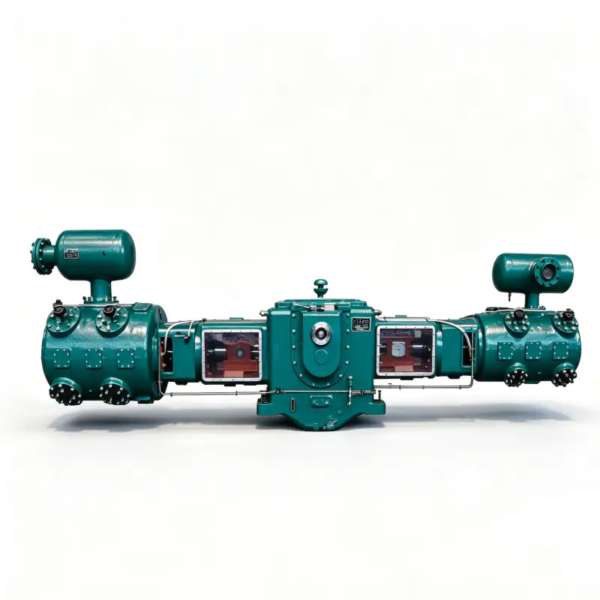
LW-60/8 Nitrogen Compressor – Ultra-High-Capacity Oil-Free N2 Booster for Demanding 0.80 MPa Industrial Networks
Engineered to deliver 60 m³/min at 0.80 MPa discharge pressure, the LW-60/8 is a two-stage, two-row oil-free piston nitrogen compressor purpose-built for mega-scale cryogenic air separation, high-pressure VPSA booster stations, and intensive petrochemical pipeline distribution. Zero lubricant contamination, continuous-duty rated, and optimized for relentless 24/7 industrial operation at elevated pressure.
Product Overview
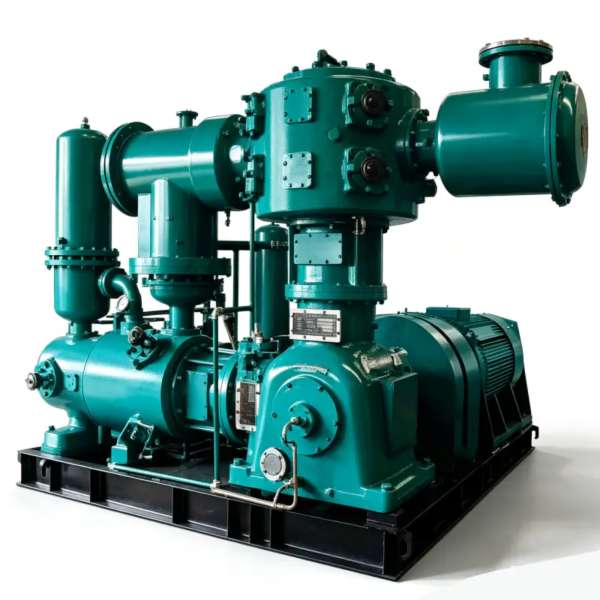
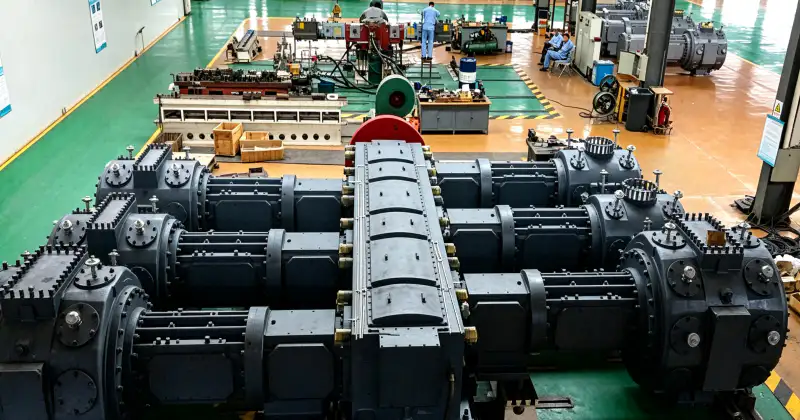
Ten LW-60/8 nitrogen compressor represents the pinnacle of our oil-free piston compressor portfolio, engineered to satisfy the most demanding nitrogen boosting requirements in large-scale industrial gas infrastructure. With an exceptional 60 m³/min capacity paired with a robust 0.80 MPa discharge pressure, this unit stands as the workhorse of mega-scale cryogenic air separation plants, high-pressure VPSA booster stations, and intensive petrochemical distribution networks where both flow and pressure are non-negotiable.
What distinguishes the LW-60/8 from conventional lubricated alternatives is its intrinsically oil-free compression pathway. The piston rings and rider bands are fabricated from proprietary self-lubricating PTFE composite materials that operate entirely without hydrocarbon lubricants. This design philosophy ensures the nitrogen product stream remains absolutely free of oil contamination, achieving ISO 8573-1 Class 0 certification without any downstream purification equipment. For operators in food processing, pharmaceutical manufacturing, semiconductor fabrication, and petrochemical processing, this native oil-free characteristic eliminates the capital expenditure, maintenance burden, and energy penalty of oil-filtration systems.
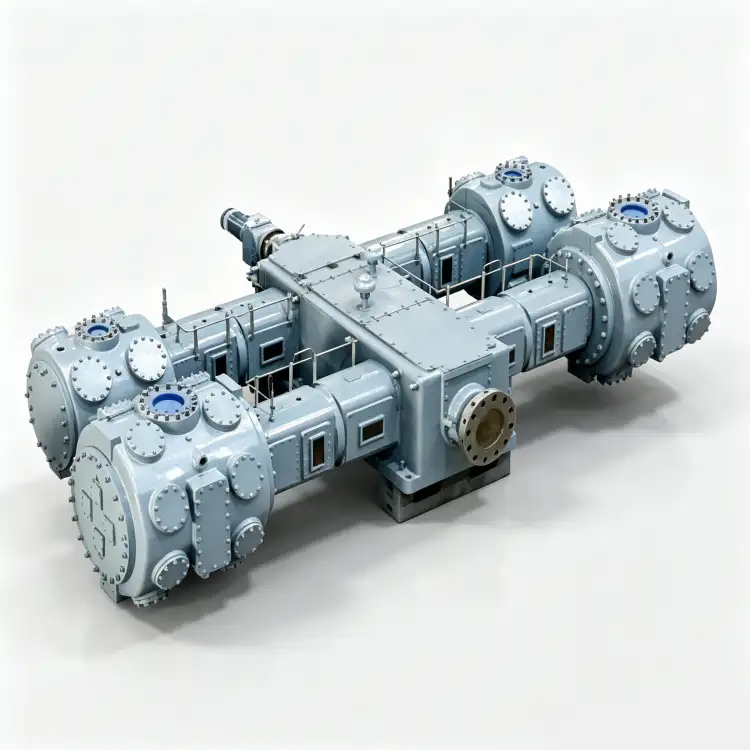
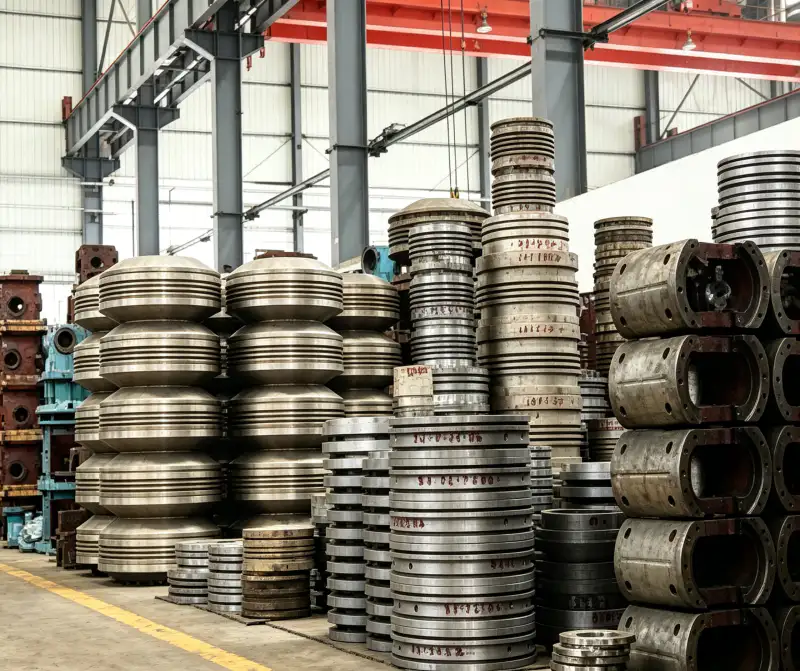
The compressor architecture follows a two-stage, two-row (二列二级) configuration that optimally distributes the substantial pressure ratio across two compression cylinders. This staged approach is essential for managing the thermal loads associated with 0.80 MPa discharge pressure while preserving the dimensional integrity of the PTFE sealing elements. Each stage incorporates an independent high-efficiency intercooler, ensuring gas temperatures remain within safe operating envelopes even during sustained maximum-capacity operation. The massive cast-iron frame and dynamically balanced forged steel crankshaft are rated for a minimum service life of 120,000 hours under standard maintenance protocols.
Technical Specifications – LW-60/8
| Parameter | Value | Unit |
|---|---|---|
| Model | LW-60/8 | – |
| Wzór | Two-stage, Two-row (二列二级) | – |
| Pojemność | 60 | m³/min |
| Ciśnienie wylotowe | 0.80 | MPa |
| Compressor Size (L × W × H) | 2380 × 1500 × 2560 | mm |
| Waga | 6.50 | t |
| Moc | 350 | kW |
| Woltaż | 6 tys. lub 10 tys. | V |
| Medium gazowe | Nitrogen (N₂) | – |
| Lubrication | Bez oleju | – |
* All specifications are rated at standard reference conditions (ISO 1217, Annex C). Actual performance may vary based on site altitude, ambient temperature, and inlet conditions.
Key Features & Engineering Advantages
1. High-Temperature PTFE Composite Sealing Technology
The LW-60/8 employs an advanced self-lubricating piston ring and rider band assembly manufactured from proprietary PTFE composites reinforced with glass fiber, carbon graphite, and bronze particulates. This material formulation achieves a coefficient of friction below 0.06 without any external hydrocarbon lubrication, completely eliminating oil vapor carryover into the nitrogen product stream. The rings are specifically engineered for the elevated discharge temperatures associated with 0.80 MPa operation, maintaining dimensional stability and sealing effectiveness up to 185°C. For industrial gas operators, this delivers native ISO 8573-1 Class 0 compliance without the capital cost, maintenance complexity, or energy penalty of downstream oil-filtration equipment.
2. Advanced Two-Stage Thermodynamic Optimization
Ten two-stage compression architecture of the LW-60/8 is thermodynamically optimized for the demanding 0.80 MPa discharge pressure target. By dividing the substantial overall pressure ratio between a low-pressure cylinder and a high-pressure cylinder, the compressor achieves a significantly lower mean effective temperature per stage compared to single-stage designs. A dedicated high-efficiency shell-and-tube intercooler between stages removes the heat of compression, maintaining discharge temperatures below 160°C even at maximum continuous load. This thermal management is critical for preserving PTFE ring integrity and extending valve plate service life by approximately 45% versus single-stage alternatives operating at equivalent pressure ratios.
3. Massive Cast-Iron Frame with Superior Force Balance
The main frame is cast from GG25 gray cast iron (equivalent to ASTM A48 Class 30B) with integral cooling water passages machined directly into the casting. The two-row opposed-cylinder arrangement provides natural first-order force cancellation, reducing the unbalanced inertia forces transmitted to the foundation by over 85% compared to single-row designs of equivalent capacity. This mechanical advantage permits installation on a reinforced concrete inertia block of minimum 12 tonnes (versus 18+ tonnes for single-row equivalents), significantly reducing civil engineering costs and simplifying retrofit installations in existing compressor houses where foundation capacity may be constrained.
4. Medium-Voltage Motor Drive for Large-Scale Integration
The LW-60/8 is driven by a 350 kW medium-voltage induction motor available in either 6kV or 10kV configurations, conforming to IEC 60034-1 efficiency class IE3. The medium-voltage drive eliminates the need for oversized low-voltage switchgear and impractically heavy-gauge cabling that would be required for a 380V motor of this power rating. Direct integration into industrial medium-voltage distribution networks reduces electrical infrastructure costs, minimizes I²R losses in power cabling, and improves overall energy efficiency. For facilities with 6kV or 10kV bus systems standard in large industrial plants, the LW-60/8 offers seamless electrical compatibility.
Application Scenarios
Mega-Scale Cryogenic Air Separation Plants
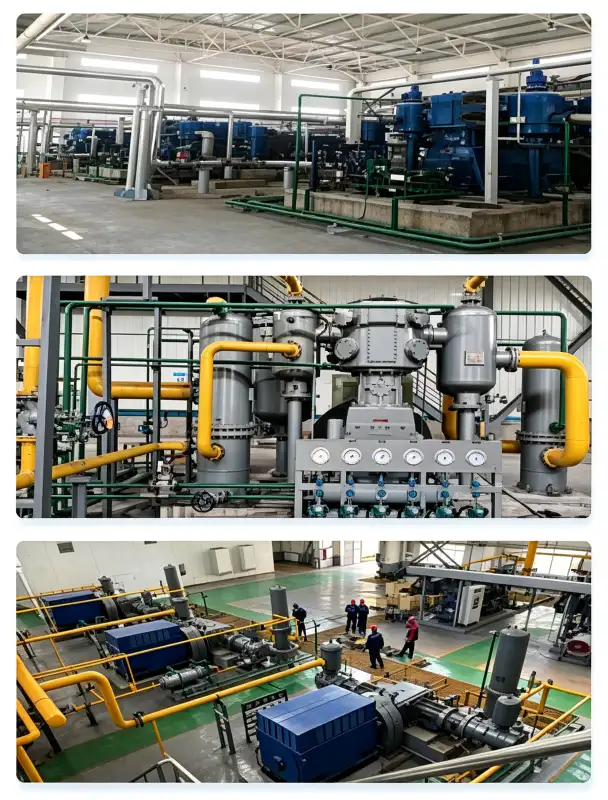
In mega-scale cryogenic ASU facilities producing 3,000–8,000 Nm³/h of gaseous nitrogen, the LW-60/8 serves as the primary high-capacity nitrogen booster between the cold box and the distribution header. Its 60 m³/min capacity matches the output of the largest single-train ASUs, while the 0.80 MPa discharge pressure provides ample head for long-distance pipeline distribution to downstream consumers such as integrated steel complexes, petrochemical crackers, and LNG liquefaction trains. The oil-free design is absolutely critical in these applications because any oil contamination would compromise the purity of nitrogen supplied to the most sensitive processes, including semiconductor wafer fabrication and pharmaceutical aseptic filling lines served by the same distribution network.
High-Pressure VPSA Nitrogen Booster Stations
For large VPSA nitrogen generators producing 99.5–99.9% purity nitrogen at near-atmospheric pressure, the LW-60/8 nitrogen booster compresses the low-pressure product to 0.80 MPa for high-pressure distribution. The elevated discharge pressure is particularly valuable for VPSA installations serving extensive industrial parks or multiple facilities through a centralized high-pressure header, where pressure losses across the distribution network can be substantial. The oil-free compression path is non-negotiable in VPSA service because hydrocarbon contamination would irreversibly poison the carbon molecular sieve adsorbent, permanently degrading separation efficiency and necessitating costly complete adsorbent replacement.
Intensive Petrochemical High-Pressure Nitrogen Systems
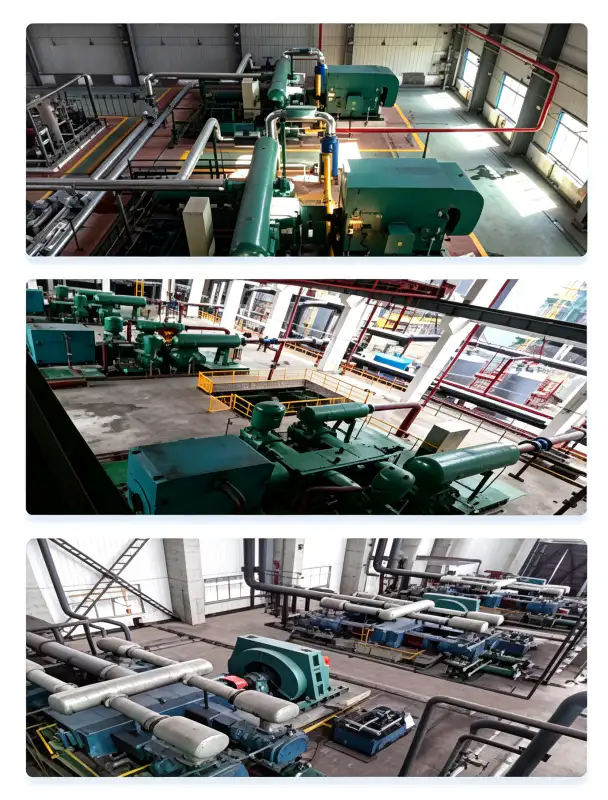
In large petrochemical complexes and refinery operations, the LW-60/8 provides high-pressure nitrogen for reactor inerting, catalyst preservation, pipeline purging, emergency vessel injection, and hydrotest filling. The 0.80 MPa discharge pressure is sufficient to overcome the pressure ratings of the largest process vessels and reactor systems, allowing direct nitrogen injection without intermediate boosting stages. The continuous-duty rating ensures uninterrupted nitrogen availability during extended turnaround campaigns that may span several weeks. The oil-free certification is mandatory for petrochemical applications where nitrogen contacts catalyst beds or enters process streams that must remain completely hydrocarbon-free.
Integrated Steel Mill High-Pressure Inerting
Large integrated steel mills with multiple blast furnaces, basic oxygen furnaces, and continuous casting lines require enormous volumes of nitrogen for blast furnace gas sealing, tundish inerting, ladle metallurgy, and coke oven gas purging. The LW-60/8’s 60 m³/min capacity can serve multiple blast furnaces or an entire casting complex simultaneously through a centralized high-pressure nitrogen header. The 0.80 MPa discharge pressure provides adequate head to overcome the back-pressure of the largest blast furnace gas systems and maintain positive sealing gas flow at all tuyere levels. The oil-free design prevents oil contamination of blast furnace gas, which would foul downstream gas cleaning equipment and compromise the quality of recovered blast furnace gas used for power generation and heating.
Material & Construction
The LW-60/8 is constructed from premium materials selected for nitrogen compatibility, high-pressure service, and extended operational life under demanding conditions:
| Component | Material | Specification |
|---|---|---|
| Cylinder Block | Gray Cast Iron | GG25 / HT250, integral cooling water jackets |
| Crankshaft | Forged Alloy Steel | 42CrMo4, Q&T, ISO 1940 G2.5 dynamically balanced |
| Piston Rings | PTFE-Glass-Carbon-Bronze Composite | Self-lubricating, high-temp rated to 185°C |
| Rider Bands | PTFE Composite | Piston guidance, anti-scuffing, wear rate <0.035 mm/1000h |
| Valve Plates | Stal nierdzewna | SS316, concentric ring spring-loaded design |
| Connecting Rods | Forged Steel with Babbitt Bearings | Precision-machined, oil-lubricated big end |
| Intercooler | Carbon Steel Shell / SS316 Tubes | ASME VIII Div.1, 1.5× hydrotest, 30 min hold |
| Aftercooler | Carbon Steel Shell / SS316 Tubes | High-efficiency finned tube, 32°C cooling water |
| Base Frame | Structural Steel | Welded fabrication, vibration-damped mounting pads |
All pressure-bearing components are designed and fabricated in strict accordance with ASME BPVC Section VIII Division 1 or Chinese GB 150 standards. Every weld joint undergoes 100% radiographic inspection (RT) per ASME Section V, Article 2, and each completed pressure vessel is subjected to a hydrostatic pressure test at 1.5 times the maximum allowable working pressure (MAWP) for a minimum hold period of 30 minutes.
Installation & Maintenance Guidelines
Foundation & Structural Requirements
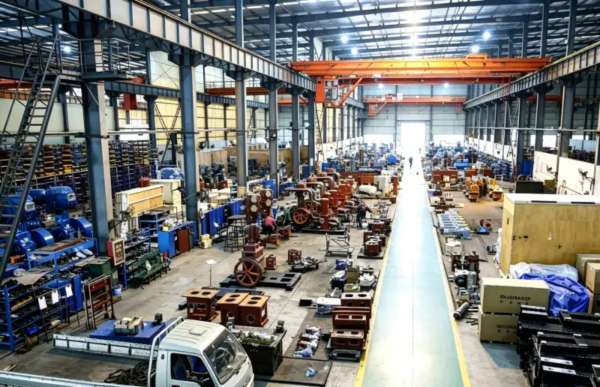
The LW-60/8 has a dry weight of 6.50 tonnes and a center of gravity approximately 950 mm above the baseplate. Thanks to the two-row opposed-cylinder design, unbalanced forces are minimal, permitting installation on a reinforced concrete inertia block of 12–14 tonnes. The block should be mounted on elastomeric vibration isolators (natural frequency 6–8 Hz) to prevent vibration transmission to adjacent structures and sensitive instrumentation. Minimum clearance requirements: 1.5 m on the non-drive side for valve access, 1.2 m on the drive side for motor maintenance, and 2.0 m overhead for crane access during major overhauls.
Cooling Water System Design
Cooling water demand is approximately 60 m³/h at an inlet temperature not exceeding 32°C. The water distribution circuit supplies the cylinder jackets, intercooler, and aftercooler in parallel branches. Water quality specifications: pH 6.5–8.5, total dissolved solids < 500 mg/L, chloride content < 50 mg/L (to prevent SS316 tube corrosion in the coolers), suspended solids < 30 mg/L, and total hardness < 300 mg/L as CaCO₃. For sites with marginal water quality, a closed-loop cooling tower with side-stream filtration and chemical treatment is strongly recommended to prevent scale formation and corrosion.
Preventive Maintenance Schedule
| Interval | Service Item | Action Required |
|---|---|---|
| Daily | Operational Inspection | Check vibration levels, abnormal noise, cooling water flow, discharge temperature |
| 250 hours | Valve Plate Inspection | Remove and inspect suction/discharge valves for carbon deposits, spring fatigue, or cracking |
| 1,000 hours | Piston Ring Wear Assessment | Measure ring groove clearance; replace rings if clearance exceeds 0.22 mm |
| 4,000 hours | Intermediate Overhaul | Replace all piston rings, rider bands, and valve plate assemblies |
| 8,000 hours | Major Overhaul | Inspect crankshaft journals, measure main bearing clearances, replace bearings if >0.08 mm |
The oil-free design of the LW-60/8 dramatically reduces maintenance complexity compared to lubricated alternatives. There are no oil changes to schedule, no lubricating oil samples to analyze, no oil filter elements to replace, and no oil separator cartridges to monitor. The primary consumable wear items are the PTFE piston rings and rider bands, which typically achieve 4,000–6,000 hours of service life under clean nitrogen conditions. This maintenance simplification translates to lower labor costs, reduced spare parts inventory, and higher equipment availability.
Compliance & Safety Certifications
The LW-60/8 nitrogen compressor is designed, manufactured, and tested to meet or exceed the following international standards and regulatory frameworks:
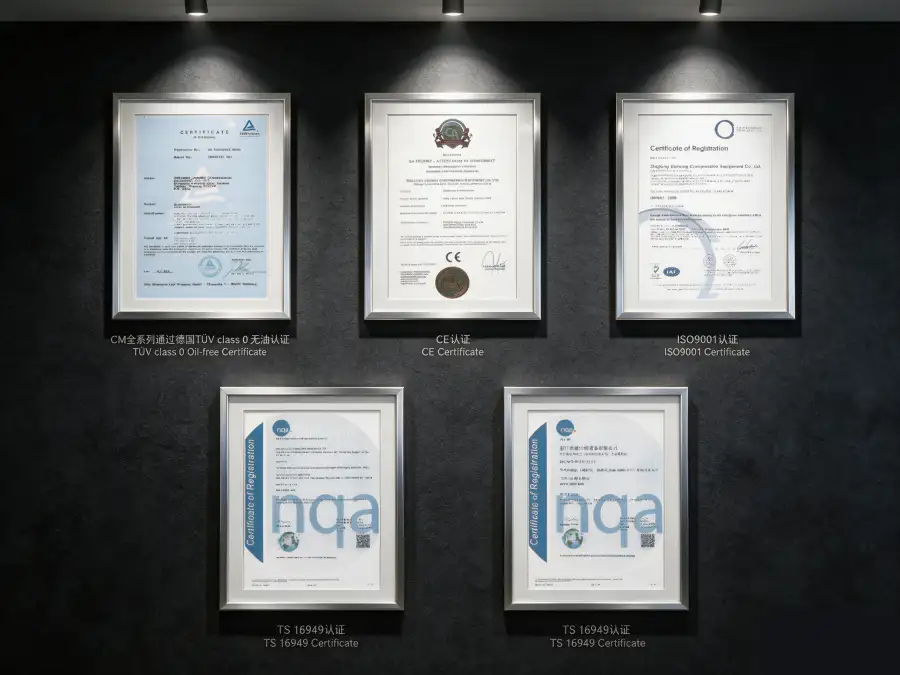
ASME BPVC Section VIII Div.1, GB 150-2011, PED 2014/68/EU Module A
IEC 60034-1 (IE3 efficiency), IEC 60204-1, ISO 12100 machinery safety
ISO 8573-1 Class 0 (Oil Content), independently tested by TÜV Rheinland
ISO 9001:2015 (Quality Management), ISO 14001:2015 (Environmental Management)
Nitrogen is classified as a simple asphyxiant gas. All LW-60/8 installations must incorporate continuous oxygen deficiency monitoring in the compressor room and all adjacent areas where nitrogen leakage could accumulate. Ventilation systems must be engineered to maintain ambient oxygen concentrations above 19.5% volume per OSHA 29 CFR 1910.146 (Permit-Required Confined Spaces). Emergency shutdown interlocks should activate at 19.5% O₂ (alarm) and trigger automatic compressor isolation at 18.0% O₂ (hard shutdown). Personnel entry procedures into enclosed compressor rooms must include portable oxygen monitors and a buddy-system protocol.
Performance & Efficiency Analysis
The LW-60/8 achieves a specific power consumption of approximately 5.83 kW per m³/min of nitrogen delivered at 0.80 MPa discharge pressure. This efficiency metric is competitive for an ultra-high-capacity oil-free piston compressor operating at an elevated pressure ratio, positioning the unit favorably within the 50–70 m³/min capacity class. For comparison, oil-lubricated screw compressors in similar high-pressure applications typically consume 6.2–7.0 kW/m³/min, while legacy single-stage piston designs may exceed 8.0 kW/m³/min at equivalent discharge pressures.
Over a standard 8,000-hour annual operating schedule, the LW-60/8’s efficiency advantage generates approximately 180,000–420,000 kWh of annual energy savings compared to less efficient alternatives. At an average industrial electricity tariff of $0.08/kWh, this represents $14,400–$33,600 in direct operating cost reduction per year. When combined with the complete elimination of oil-related consumables (lubricating oil, filter elements, separator cartridges, waste oil disposal, and oil analysis), the total cost of ownership for nitrogen compression is reduced by an estimated 22–32% over a 10-year operational life.
The absence of oil in the compression path also eliminates the energy penalty associated with downstream oil-removal equipment. A typical oil-lubricated compressor of this size and pressure rating requires coalescing filters, activated carbon adsorbers, and continuous oil monitoring instrumentation that collectively consume 3–5% of the compressor’s power output. The LW-60/8’s oil-free design removes this parasitic load entirely, further improving effective system efficiency.
Customization & OEM Capabilities
We offer extensive customization options to adapt the LW-60/8 to specific site conditions, integration requirements, and end-user specifications:
- Skid-Mounted Turnkey Packages: The compressor, motor, intercooler, aftercooler, instrumentation, and control panel are pre-assembled on a structural steel skid with integrated lifting lugs and anchor bolt templates. This approach reduces field installation time by approximately 60% and minimizes commissioning risks through comprehensive factory pre-testing of all systems.
- Hazardous Area Configurations: ATEX Zone 2 and IECEx compliant motor and electrical enclosures are available for installations in petrochemical facilities where explosive atmospheres may occasionally be present. Integrated gas detection and automatic ventilation interlocks can be incorporated into the control system.
- Advanced Process Control: Optional Siemens S7-1200 or Allen-Bradley CompactLogix PLC with 10-inch HMI touchscreen, remote monitoring via Modbus TCP/IP or OPC-UA, and seamless integration with plant DCS/SCADA systems. Automatic load/unload control and variable frequency drive (VFD) compatibility optimize part-load efficiency and reduce mechanical wear during startup.
- Environmental Protection Systems: C5-M marine-grade coating systems for coastal or offshore installations; tropicalized electrical components for ambient temperatures up to 55°C; and IP54-rated acoustic enclosures that reduce noise emission from 85 dB(A) to 72 dB(A) at 1 meter, suitable for indoor installations without dedicated compressor houses.
- OEM & Private Label Programs: Custom paint colors, branded nameplates, and localized documentation packages are available for gas equipment distributors and system integrators. Technical manuals, spare parts lists, and maintenance procedures can be supplied in multiple languages.
Custom configurations are available from MOQ 1 unit. Engineering review and proposal generation typically require 5–7 business days. Standard delivery time is 12–14 weeks; repeat orders are delivered in 8–10 weeks from order confirmation.
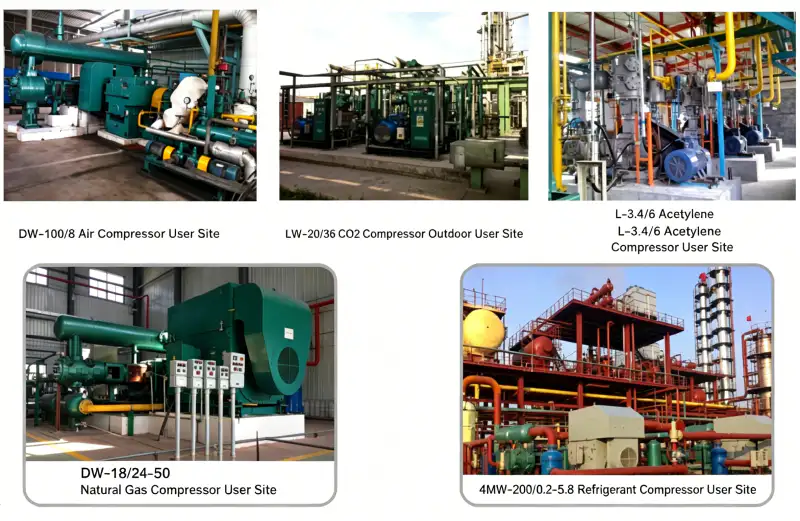
Case Study: Petrochemical Complex Nitrogen Distribution Overhaul
Client: A major petrochemical complex in the Middle East with three ethylene crackers, two polyethylene plants, and a polypropylene unit
Challenge: The complex’s nitrogen supply was provided by three aging oil-lubricated compressors (two European brands, one Asian brand, 16–22 years in service) feeding a common 0.60 MPa distribution header. The compressors were experiencing progressive oil carryover into the nitrogen stream, contaminating catalyst beds in the ethylene crackers and causing polymerization issues in the polyethylene reactors. Maintenance costs had escalated to $120,000/year, and the 0.60 MPa pressure was insufficient for new high-pressure reactor inerting requirements. The complex required a minimum 55 m³/min at 0.80 MPa to meet expanded production targets.
Solution: We supplied an LW-60/8 oil-free nitrogen compressor as the new primary compressor, configured on a custom skid with integrated intercooler, aftercooler, and a Siemens S7-1200 PLC control panel with full SCADA integration. The 0.80 MPa discharge pressure met all new high-pressure inerting requirements, while the oil-free design eliminated contamination of catalyst beds and polymerization reactors. A 10 m³ surge vessel was installed upstream to buffer demand fluctuations from the multiple process units. The two existing compressors were retained as backup units.
Quantified Results After 24 Months:
- Nitrogen oil content: Reduced from 5.8 mg/m³ to <0.01 mg/m³, achieving ISO 8573-1 Class 0 certification
- Catalyst bed replacement frequency: Extended from 18 months to 48 months, saving $180,000/year in catalyst costs
- Polymerization reactor contamination events: Eliminated completely, improving on-spec production by 2.1%
- Annual maintenance cost: Reduced by 48% ($120,000 to $62,400) through elimination of oil-related repairs
- Energy consumption: Improved by 8.2% versus the primary replaced unit, saving approximately $24,800/year
- Unplanned downtime: Zero events in 24 months of continuous operation
“The LW-60/8 has completely transformed our nitrogen reliability. The elimination of oil contamination has extended our catalyst life by 2.5× and eliminated reactor contamination events. Our maintenance team has been redeployed to proactive tasks instead of constant oil-related repairs. The payback period was under 16 months.” — Chief Operations Officer, Petrochemical Complex
FAQ & Selection Guide
Related Products & Solutions
LW-52/8 High-Capacity Nitrogen Compressor
A slightly lower-capacity sibling delivering 52 m³/min at 0.80 MPa, ideal for applications where the full 60 m³/min of the LW-60/8 is not required. Offers identical oil-free technology and engineering standards.
DW Series High-Pressure Nitrogen Compressors
Designed for discharge pressures from 0.40 MPa to 2.00 MPa, the DW series covers nitrogen injection, high-pressure pipeline boosting, and chemical synthesis applications. Capacities from 2 to 130 m³/min.
ZW Series Multi-Stage Oil-Free Compressors
Vertical, multi-stage oil-free compressors for oxygen, nitrogen, hydrogen, and specialty gases. Discharge pressures up to 9.00 MPa for high-pressure gas filling, cylinder charging, and chemical process applications.
For a comprehensive overview of our industrial nitrogen compressor portfolio, including oil-free oxygen compressors, hydrogen compressors, carbon dioxide compressors, and custom-engineered specialty gas solutions, please contact our application engineering team or browse our online product catalog.
Ready to Transform Your Ultra-High-Capacity Nitrogen System?
Our application engineers are standing by to evaluate your nitrogen flow requirements, suction conditions, discharge pressure targets, and integration constraints. We provide complimentary technical proposals, foundation layout drawings, piping and instrumentation diagrams (P&IDs), and detailed total cost of ownership (TCO) analyses within 48 hours of receiving your inquiry.
Email: sprzedaż@n2-compressor.com | Response within 24 hours