
Mampatan Nitrogen dalam Loji LNG
Tugas pengedap atau pembersihan biasa dan lengai pemulihan boleh memerlukan strategi tekanan, aliran, kekeringan, kawasan berbahaya dan ketersediaan yang berbeza.
Kemudahan LNG menggunakan nitrogen merentasi beberapa tugas yang tidak boleh digabungkan menjadi satu beban pemampat generik: pengedap berterusan atau sekejap-sekejap, pembersihan peralatan dan perpaipan, penyelenggaraan lengai, sokongan penganalisis atau instrumen jika berkenaan, dan aktiviti permulaan atau penutupan. Peralatan kriogenik memberi penekanan yang kuat pada kekeringan kerana kelembapan boleh membeku di bahagian sejuk, manakala lokasi kawasan berbahaya mengenakan keperluan peralatan dan pengudaraan yang tidak berkaitan dengan kemudahbakaran nitrogen itu sendiri. Bina jadual permintaan berasaskan masa untuk setiap peringkat tekanan dan kenal pasti tugas yang penting untuk mengekalkan keadaan selamat. Sistem pemampat dan penerima kemudiannya harus menyediakan bekalan yang stabil, dengan kelebihan atau nitrogen alternatif bersaiz akibat kehilangan tugas kritikal.
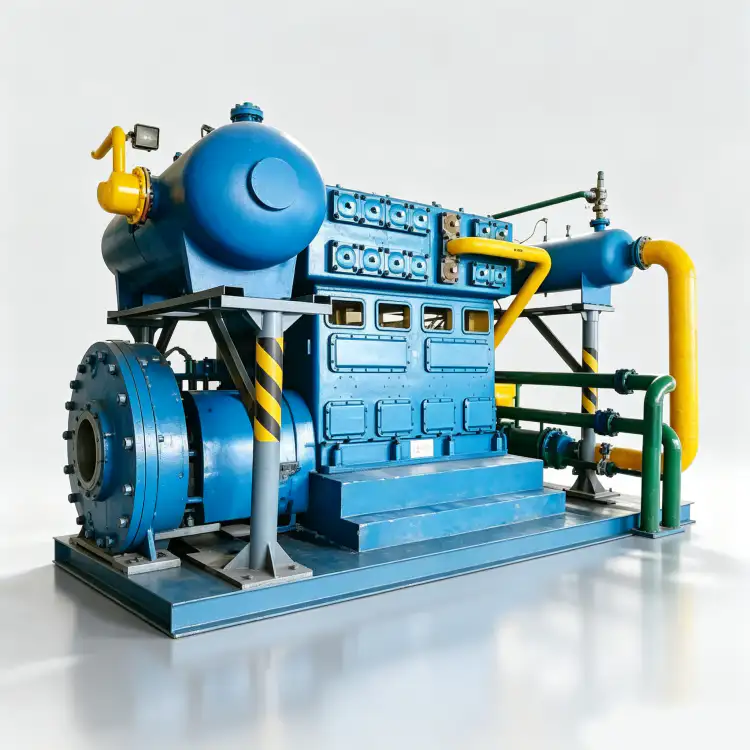
Terma duti nitrogen LNG
- Pembersihan LNG
- Nitrogen digunakan untuk menggantikan udara, wap hidrokarbon atau gas lain daripada peralatan proses LNG di bawah urutan pembersihan yang diluluskan.
- gas pengedap
- Nitrogen dibekalkan kepada fungsi pengedap atau penghalang yang memerlukan tekanan, kebersihan dan kesinambungan yang stabil.
- peralatan kriogenik
- Perpaipan, bekas, injap dan peralatan proses yang beroperasi pada suhu yang sangat rendah di mana kawalan kelembapan dan pencemaran boleh menjadi kritikal.
- penyelenggaraan lengai
- Nitrogen yang digunakan semasa aktiviti pengasingan, pembebasan gas, pemeliharaan atau pengembalian perkhidmatan yang berkaitan dengan penyelenggaraan.
- kawasan berbahaya
- Lokasi yang dikelaskan secara elektrik yang ditentukan oleh potensi kehadiran gas mudah terbakar di kawasan proses di sekelilingnya.
- ketersediaan
- Keupayaan sistem nitrogen untuk memberikan tekanan, aliran dan kualiti yang diperlukan apabila diminta, termasuk semasa gangguan peralatan.
1. Asingkan tugas berterusan daripada puncak pemulihan dan pembersihan
Senaraikan permintaan pengedap, pembersihan, pemadat, penyelenggaraan dan permulaan secara bebas. Rekodkan tekanan, aliran, ketulenan, kekeringan, tempoh dan keserentakan untuk setiap satu. Pembersihan pusingan yang singkat boleh mempunyai aliran yang jauh lebih tinggi daripada perkhidmatan pengedap biasa, tetapi menentukan saiz setiap pemampat yang dipasang untuk puncak yang jarang berlaku itu mungkin tidak menjimatkan. Penyimpanan, bekalan sementara atau mesin berperingkat boleh meliputi kes luar biasa apabila pelan operasi membenarkannya.
Kenal pasti pengguna kritikal yang kehilangannya boleh memaksa unit melantun atau menjejaskan keadaan selamat. Pengguna tersebut menentukan beban terselamat untuk lebihan. Pengguna penyelenggaraan bukan kritikal boleh dilupuskan secara automatik atau secara pentadbiran apabila pemampat tidak tersedia.
2. Lindungi kekeringan di mana nitrogen boleh sampai ke sistem kriogenik
Kelembapan yang memasuki peralatan yang sangat sejuk boleh membekukan dan menyekat laluan kecil atau instrumen. Tentukan takat embun atau keperluan kelembapan pada had bateri yang berkaitan dan sahkan laluan lengkap melalui penjanaan, pemampatan, penerima dan pengagihan. Elakkan pendedahan udara penyelenggaraan basah atau paip terbuka yang boleh merosakkan pengeringan hulu.
Penyejuk dan penerima selepas operasi hendaklah mempunyai longkang yang berfungsi di mana cecair boleh terkumpul sebelum gas sampai kepada pengguna kritikal. Jika penjana di tapak menyediakan produk kering, pastikan penggalak tidak menyebabkan pencemaran. Selepas penyelenggaraan, gunakan prosedur pengeringan dan pembersihan tapak sebelum melepaskan pengepala kepada perkhidmatan kriogenik.
Gunakan laman web tersebut pemampat nitrogen untuk LNG sumber sebagai semakan kedua apabila menterjemahkan keperluan ini kepada spesifikasi pemampat. Semakan silang di sini dikaitkan dengan penyelenggaraan pengedap pembersihan loji pemampat nitrogen.
3. Padankan tahap tekanan dan bukannya memampatkan setiap pengguna kepada satu tahap maksimum
Loji LNG mungkin mempunyai pengguna pembersihan tekanan rendah dan pengguna pengedap atau pemindahan tekanan tinggi. Memampatkan semua nitrogen ke tekanan tertinggi dan kemudian mengawal selia kebanyakannya ke bawah meningkatkan kuasa dan kebocoran. Petakan tekanan yang diperlukan pada setiap pengguna, termasuk kehilangan pengedaran, dan pertimbangkan pengepala berasingan atau penggalakan setempat di mana ia mengurangkan jumlah kerja mampatan.
Penerima boleh diletakkan pada peringkat tekanan strategik untuk menampung puncak pendek dan kelewatan mula sedia. Kira storan yang boleh digunakan antara tekanan mutlak tinggi dan rendah yang dibenarkan. Sahkan tekanan penerima terendah masih menyediakan tekanan salur masuk pengawal selia yang mencukupi pada pengguna kritikal semasa aliran reka bentuk.
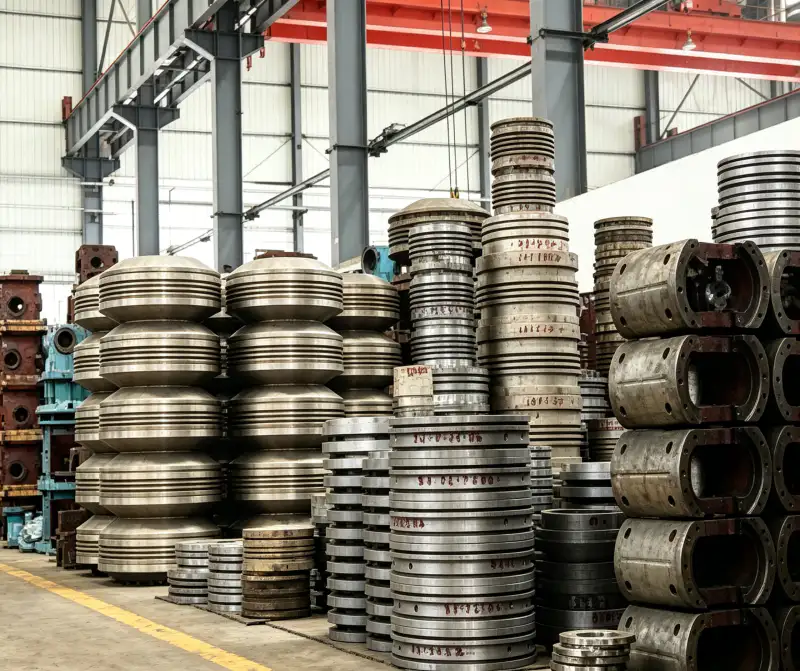
4. Integrasikan peralatan pemampat dengan keperluan kawasan berbahaya
Walaupun nitrogen tidak mudah terbakar, pemampat di kawasan proses LNG mungkin dikelilingi oleh potensi pelepasan hidrokarbon. Motor, pemacu, pemanas, kotak simpang, instrumen dan panel tempatan mesti sepadan dengan klasifikasi kawasan tapak. Keperluan suhu permukaan dan kandang harus dikaji semula dengan lukisan klasifikasi elektrik dan bukan disimpulkan daripada perkhidmatan gas sahaja.
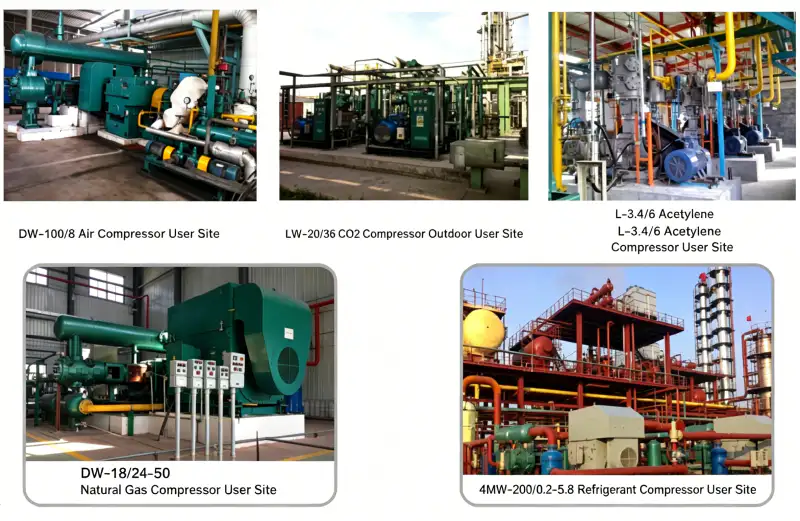
Halakan lubang pengudaraan pemampat, kebocoran pembungkusan, longkang dan pelepasan pelepasan ke lokasi yang diluluskan. Lubang pengudaraan nitrogen boleh menyebabkan kekurangan oksigen, manakala sambungan yang terdedah kepada aliran balik proses juga boleh membawa hidrokarbon. Kes pencegahan, pengasingan dan pelepasan aliran balik perlu dikaji semula merentasi kedudukan injap normal dan tidak normal.
5. Reka bentuk redundansi sekitar masa keadaan selamat
Tentukan berapa lama perkhidmatan pengedap atau pembersihan kritikal boleh bertolak ansur dengan pereputan tekanan selepas pemampat yang sedang berjalan terhenti. Inventori penerima mungkin menghubungkan permulaan mesin siap sedia, tetapi perkhidmatan yang berterusan memerlukan kapasiti alternatif. Periksa kuasa, penyejukan, sumber sedutan dan kawalan yang sama supaya dua rangkaian pemampat tidak gagal akibat satu kehilangan utiliti.
Jika bekalan pukal atau botol alternatif merupakan sebahagian daripada pelan kecemasan, sahkan tekanan sambungan, kapasiti pengatur, ketulenan, kekeringan dan logik pertukaran. Sumber sandaran yang tidak dapat memenuhi keperluan tekanan atau kelembapan yang sama tidak boleh dikreditkan tanpa sekatan operasi yang didokumenkan.
Sebelum membekukan pilihan peralatan, bandingkan tugas ini dengan tugas tapak pemampat nitrogen kapasiti besar julat dan sahkan bahawa asas tekanan yang sama sedang digunakan. Semakan silang di sini berkaitan dengan pemampat nitrogen dalam loji pembersihan dan penyelenggaraan pengedap.
6. Mentauliahkan kedua-dua mod operasi biasa dan penyelenggaraan
Jalankan kes permintaan kritikal biasa dan tekanan sedutan trend, keadaan pemampat, tekanan penerima, tekanan pengepala, penunjuk kekeringan atau kualiti dan tekanan pengguna. Kemudian simulasikan pertukaran siap sedia yang diluluskan. Sahkan penurunan dan pemulihan tekanan kekal boleh diterima dan injap sehala menghalang aliran balik.
Untuk konfigurasi pemulihan, sahkan sambungan sementara, manifold pembersihan dan laluan bolong sebelum ia diperlukan. Nitrogen penyelenggaraan selalunya menggunakan hos dan barisan injap yang berbeza daripada operasi biasa; menganggapnya sebagai sempadan tekanan kejuruteraan dapat mengurangkan sambungan improvisasi saat akhir semasa gangguan bekalan.
Jadual aplikasi LNG
| Barang | Soalan kejuruteraan | Isyarat pengesahan atau keputusan |
|---|---|---|
| Jadual tugas | Beban nitrogen LNG yang manakah berterusan, sementara atau hanya untuk pemulihan? | Pemampat dan storan disaizkan daripada keserentakan yang realistik. |
| Kekeringan | Bolehkah kelembapan sampai ke peralatan kriogenik? | Pengeringan, longkang, kawalan penyelenggaraan dan pengesahan melindungi perkhidmatan sejuk. |
| Tahap tekanan | Adakah pengguna bertekanan rendah dibekalkan secara tidak perlu dari pengepala tertinggi? | Seni bina meminimumkan mampatan yang boleh dielakkan sambil memenuhi tekanan pengguna. |
| Ketersediaan | Berapa lama pengguna kritikal boleh memandu melalui perjalanan pemampat? | Kapasiti storan dan siap sedia memenuhi keperluan keadaan selamat yang didokumenkan. |
| Rekodkan asas akhir dalam RFQ, fail pentauliahan atau rekod penyelenggaraan supaya jurutera lain boleh menghasilkan semula keputusan tersebut. | ||
Lembaran kerja pengesahan projek
Gunakan pembersihan LNG sebagai pusat pemeriksaan lapangan yang dikaitkan dengan "Asingkan beban pengedap/pembersihan biasa daripada permintaan pemulihan dan permulaan.". Tuliskan lokasi pengukuran atau pemeriksaan, keadaan gas, beban pemampat, kedudukan injap yang berkaitan dan dokumen yang mentakrifkan penerimaan. Semak silang peralatan kriogenik pada masa yang sama supaya gejala tempatan tidak disalah anggap sebagai masalah keseluruhan sistem. Konsep "asingkan tugas biasa dan penyelenggaraan" hanya lengkap apabila pemerhatian membawa kepada keputusan yang jelas: terima, betulkan atau sampaikan untuk semakan pembekal. Ulangi pemeriksaan selepas sebarang pembetulan dan simpan nilai sebelum dan selepas dengan rekod pentauliahan atau penyelenggaraan.
Sahkan "takrifkan tahap tekanan" dengan mewujudkan satu keadaan terkawal di mana gas pengedap dan lengai penyelenggaraan boleh ditafsirkan bersama. Stabilkan sistem, catatkan tekanan, suhu, aliran atau keadaan mesin sebagai berkaitan dan gunakan instrumen yang dikalibrasi atau pemeriksaan langsung di lokasi yang dinamakan. Jalankan "Takrifkan tekanan, aliran, ketulenan dan kekeringan untuk setiap pengguna nitrogen LNG kritikal." dan rekodkan tindak balas yang dijangkakan dan diperhatikan. Jika had khusus model diperlukan, dapatkannya daripada dokumentasi pemampat, bekas, paip, penjana atau proses yang dipilih dan bukannya memasukkan nilai generik. Rekod tersebut harus menunjukkan mengapa keputusan muktamad secara teknikalnya boleh dipertahankan.
Sebelum menutup arahan kerja, pastikan “Semak peringkat tekanan dan penyimpanan sebelum memilih tekanan nyahcas pemampat.” boleh dikesan berdasarkan bukti. Untuk peralatan kriogenik, catatkan titik rujukan dan unit atau keadaan fizikal; untuk kawasan berbahaya, catatkan titik perbandingan yang mengesahkan sistem berfungsi secara koheren. Kaitkan kedua-dua pemerhatian dengan “melindungi kekeringan gas” dan dengan beban atau mod operasi sebenar. Nilai tanpa lokasi dan keadaan sukar untuk digunakan semula kemudian. Jika semakan mendedahkan ketidakpadanan, betulkan sekatan, keadaan kawalan, keadaan komponen atau andaian reka bentuk yang menyebabkannya, kemudian ulangi pemerhatian yang sama supaya pembaikan terbukti dan bukannya diandaikan.
Anggap “peralatan kawasan berbahaya yang diselaraskan” sebagai eksperimen pentauliahan kecil. Tentukan keadaan permulaan, perhatikan lengai penyelenggaraan, ubah hanya pembolehubah yang diperlukan untuk ujian yang diluluskan dan perhatikan tindak balas ketersediaan. Tindakan “Semak peralatan kawasan berbahaya, bolong, perlindungan aliran balik dan pengasingan.” harus meninggalkan rekod keadaan awal, intervensi, keadaan akhir dan sebarang tindak balas penggera atau kawalan. Ini berguna apabila beberapa komponen boleh mewujudkan simptom yang sama. Dengan mengubah satu faktor pada satu masa dan memastikan pemampat berada di dalam sampul surat yang diluluskan, pasukan boleh memisahkan punca daripada kebetulan dan mengelakkan penggantian perkakasan yang tidak bertanggungjawab.
Keputusan ini juga boleh disemak silang dengan keputusan tapak pemampat nitrogen bebas minyak maklumat sebelum lembaran data projek dikeluarkan. Semakan silang di sini dikaitkan dengan penyelenggaraan pengedap pembersihan loji pemampat nitrogen.
Untuk kebolehpercayaan jangka panjang, sambungkan “Kira masa tunggangan dan sediakan bekalan siap sedia atau alternatif yang diuji.” dengan garis dasar untuk kawasan berbahaya. Rekodkan garis dasar tersebut apabila pemasangan bersih, stabil dan diketahui sihat, kemudian sertakan pembersihan LNG dan beban operasi supaya bacaan kemudian dapat dinormalisasikan. Konsep semakan “redundansi pelan” harus mempunyai pencetus yang jelas untuk penyiasatan walaupun nilai mutlak belum mencapai penggera. Penyimpangan secara beransur-ansur daripada garis dasar yang boleh dihasilkan semula selalunya memberikan lebih banyak amaran daripada satu bacaan terpencil. Jika konfigurasi proses berubah, cipta garis dasar yang didokumenkan baharu dan bukannya membandingkan keadaan operasi yang tidak berbeza.
Semasa semakan kejuruteraan, cabar andaian di sebalik "sahkan laluan bolong dan pembersihan" dengan menjejaki laluan fizikal yang berkaitan dengan ketersediaan dan gas pengedap. Ikuti laluan gas, haba, daya, isyarat kawalan atau kebocoran dari sumber ke destinasi dan kenal pasti setiap komponen yang boleh mengubah keputusan. Kemudian lengkapkan "Konfigurasi biasa, pertukaran dan penyelenggaraan terancang Suruhanjaya" pada titik di mana keputusan sebenarnya dibuat, bukan pada tolok yang paling mudah. Rekodkan sebarang penurunan tekanan, perbezaan suhu, kelewatan kawalan atau dapatan pemeriksaan yang menjelaskan tingkah laku. Pemeriksaan berasaskan laluan ini menghalang pengukuran tempatan daripada ditafsirkan tanpa konteks sistem.
Sempadan keselamatan dan pengesahan
Kemudahan LNG boleh mengandungi inventori gas mudah terbakar yang besar dan bahaya kriogenik. Kerja nitrogen mesti mematuhi kawalan keselamatan proses, kawasan berbahaya, pengasingan, pembersihan dan ruang terkurung kemudahan. Nitrogen boleh menggantikan oksigen. Jangan sekali-kali menggunakan tekanan pelepasan pemampat sebagai pengganti peraturan proses dan jangan sambungkan peralatan pembersihan sementara tanpa penarafan tekanan, pengekangan dan penghalaan bolong yang diluluskan.
Senarai semak nitrogen LNG
- Asingkan beban pengedap/penyingkiran biasa daripada permintaan pemulihan dan permulaan.
- Takrifkan tekanan, aliran, ketulenan dan kekeringan untuk setiap pengguna nitrogen LNG kritikal.
- Semak peringkat tekanan dan penyimpanan sebelum memilih tekanan nyahcas pemampat.
- Periksa peralatan, bolong, perlindungan aliran balik dan pengasingan di kawasan berbahaya.
- Kirakan masa perjalanan dan sediakan bekalan siap sedia atau bekalan alternatif yang telah diuji.
- Mentauliahkan konfigurasi penyelenggaraan biasa, pertukaran dan penyelenggaraan terancang.
Soalan nitrogen LNG
Mengapakah kekeringan nitrogen penting di sekitar peralatan LNG?
Kelembapan boleh membeku apabila terdedah kepada keadaan kriogenik dan boleh mengganggu laluan atau instrumen kecil. Gunakan spesifikasi kelembapan dan prosedur pengeringan yang ditentukan tapak.
Perlukah turnaround purge memerlukan saiz pemampat kekal?
Tidak selalu. Jika puncaknya jarang berlaku, penyimpanan, peralatan berperingkat atau sumber sementara yang diluluskan mungkin lebih praktikal, dengan syarat jadual dan keperluan keselamatan dipenuhi.
Bolehkah pemampat nitrogen dalam perkhidmatan LNG menggunakan peralatan elektrik biasa?
Hanya jika lokasi pemasangan tidak dikelaskan. Peralatan mesti sepadan dengan klasifikasi kawasan berbahaya tapak, yang didorong oleh bahaya proses di sekeliling dan bukannya nitrogen itu sendiri.
Prinsip bekalan LNG
Bagi loji LNG, asingkan tugas nitrogen mengikut masa, tekanan, kekeringan dan kekritikalan. Gunakan pemampatan dan penerima untuk bekalan normal yang stabil, reka bentuk antara muka kawasan berbahaya dan bolong serta buktikan laluan siap sedia yang diperlukan untuk mengekalkan fungsi pembersihan atau pengedap kritikal.