
औषधीय प्रक्रियाओं में तेल-मुक्त नाइट्रोजन संपीड़न का महत्व
यह निर्णय उत्पाद-संपर्क जोखिम, गैस-गुणवत्ता सीमा, सफाई क्षमता, रखरखाव नियंत्रण और सत्यापन के आधार पर लिया जाना चाहिए - न कि इस सामान्य धारणा के आधार पर कि नाइट्रोजन के हर उपयोग के लिए एक ही कंप्रेसर की आवश्यकता होती है।
फार्मास्युटिकल संयंत्रों में नाइट्रोजन का उपयोग ब्लैंकेटिंग, ट्रांसफर सपोर्ट, सुखाने, पैकेजिंग, इनर्टिंग और उपकरण पर्ज के लिए किया जाता है। कुछ उपयोग उत्पाद या उत्पाद-संपर्क सतहों के संपर्क में आ सकते हैं; अन्य सामान्य उपयोग हैं। तेल-मुक्त संपीड़न सबसे महत्वपूर्ण तब होता है जब स्नेहक का रिसाव अस्वीकार्य संदूषण या सत्यापन जोखिम पैदा कर सकता है जिसे आगे चलकर विश्वसनीय रूप से नियंत्रित नहीं किया जा सकता है। इंजीनियरिंग का कार्य प्रक्रिया तक गैस के मार्ग का मानचित्रण करना, तेल, नमी, कण और अन्य गुणवत्ता सीमाओं को परिभाषित करना, फिर कंप्रेसर तकनीक और उपचार का चयन करना है जिसे नियमित संचालन और रखरखाव के माध्यम से सत्यापित किया जा सके। तेल-मुक्त निर्माण एक खतरे को कम करता है, लेकिन स्वच्छ रिसीवर, संगत सील, गैर-गैस-पक्षीय घटकों पर नियंत्रित स्नेहक, फिल्टर, ड्रायर, पर्ज प्रक्रिया और प्रलेखित रिसाव आवश्यक बने रहते हैं।
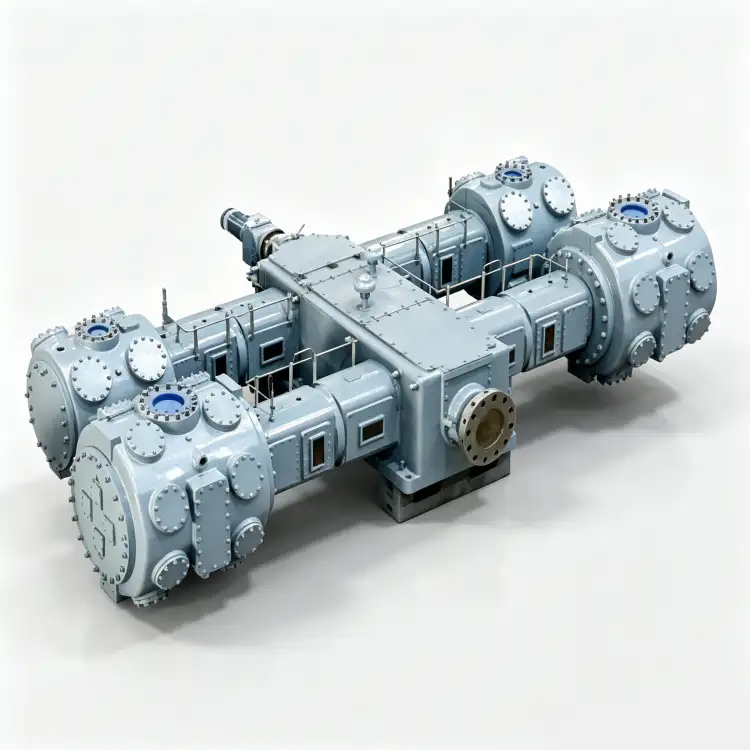
फार्मास्युटिकल गैस-गुणवत्ता संबंधी शर्तें
- तेल-मुक्त संपीड़न
- संपीड़न जिसमें इच्छित प्रक्रिया-गैस पथ को स्नेहक के संपर्क से बचने के लिए डिज़ाइन किया गया है, जो विशिष्ट उपकरण निर्माण और आपूर्तिकर्ता परिभाषा के अधीन है।
- उत्पाद संपर्क जोखिम
- नाइट्रोजन जनित संदूषण के उत्पाद, प्राथमिक पैकेजिंग या उत्पाद के संपर्क में आने वाले उपकरणों की सतहों तक पहुंचने की संभावना और उसके परिणाम।
- सफाई योग्यता
- निर्माण, संदूषण या रखरखाव के बाद गैस-संपर्क उपकरणों को साफ करने, शुद्ध करने, निरीक्षण करने और पुनर्स्थापित करने की क्षमता।
- गैस की गुणवत्ता
- एक परिभाषित प्रक्रिया कनेक्शन पर प्रलेखित नाइट्रोजन संरचना और संदूषक स्थिति की आवश्यकता होती है।
- मान्यकरण
- दस्तावेजी साक्ष्य जो यह प्रमाणित करता है कि स्थापित प्रणाली और परिचालन नियंत्रण लागू गुणवत्ता प्रणाली के तहत निर्दिष्ट प्रदर्शन को लगातार प्राप्त करते हैं।
- रखरखाव सामग्री
- सील, स्नेहक, सफाई एजेंट, वाइप्स, थ्रेड कंपाउंड और प्रतिस्थापन पुर्जे जो सर्विस के दौरान गैस-पाथ संदूषण को प्रभावित कर सकते हैं।
1. संपर्क और गुणवत्ता जोखिम के आधार पर नाइट्रोजन के उपयोगों का वर्गीकरण करें।
नाइट्रोजन का उपयोग करने वाले प्रत्येक व्यक्ति का निरीक्षण करें और यह दस्तावेज़ तैयार करें कि क्या गैस सीधे उत्पाद, उत्पाद के संपर्क में आने वाली सतह, पैकेजिंग के खाली स्थान, सफाई प्रणाली या केवल किसी बाहरी उपयोगिता कार्य के संपर्क में आती है। एक ही संयंत्र में विभिन्न शाखाओं के लिए अलग-अलग गैस गुणवत्ता नियंत्रण लागू हो सकते हैं। साइट गुणवत्ता जोखिम मूल्यांकन का उपयोग करके यह निर्धारित करें कि कंप्रेसर और वितरण खंडों में से किसमें सबसे सख्त संदूषण नियंत्रण की आवश्यकता है।
जोखिम को मापने योग्य विशिष्टताओं में बदलें। नाइट्रोजन की शुद्धता में तेल, नमी, कण या सूक्ष्मजीवों से संबंधित चिंताओं का वर्णन नहीं होता है। यह परिभाषित करें कि क्या परीक्षण किया जाता है, कहाँ परीक्षण किया जाता है और कितनी बार परीक्षण किया जाता है। यह कंप्रेसर के चयन और रखरखाव के बाद उसे जारी करने का आधार बनता है।
2. यह तय करें कि क्या तेल-मुक्त निर्माण से सामग्री की विफलता का एक कारण दूर हो जाता है।
यदि स्नेहक उत्पाद तक पहुँचकर ऐसी संदूषण पैदा कर सकता है जिसका पता लगाना मुश्किल हो, तो तेल-मुक्त गैस मार्ग प्राथमिक स्रोत को समाप्त करके नियंत्रण रणनीति को सरल बना सकता है। विक्रेता के साथ सिलेंडर, सील, दूरी के पुर्जे, शीतलन प्रणाली और किसी भी पर्ज या वेंट व्यवस्था की समीक्षा करें। पुष्टि करें कि सामान्य और विश्वसनीय त्रुटि स्थितियों में कौन से पदार्थ गैस के संपर्क में आ सकते हैं।
यदि प्रमाणित उपचार और निगरानी प्रक्रिया की आवश्यकताओं को पूरा करते हैं, तो कुछ उपयोगिता कार्यों के लिए चिकनाई युक्त कंप्रेसर तकनीकी रूप से स्वीकार्य हो सकता है, लेकिन जोखिम मूल्यांकन में विभाजक या फ़िल्टर की विफलता, रखरखाव त्रुटियाँ और गड़बड़ी की स्थितियों को शामिल किया जाना चाहिए। इन जोखिमों को नियंत्रित करने की जटिलता की तुलना तेल-मुक्त तकनीक की पूंजी और रखरखाव लागत से करें।
एप्लिकेशन-विशिष्ट क्रॉस-चेक के लिए, साइट का उपयोग करें। दवा उपयोग के लिए नाइट्रोजन कंप्रेसर ऊपर चर्चा किए गए मापित ड्यूटी डेटा के साथ वाला पृष्ठ। यहां क्रॉस-चेक एन2 कंप्रेसर, फार्मास्युटिकल प्रक्रियाओं और तेल-मुक्त संपीड़न से संबंधित है।
3. डाउनस्ट्रीम स्टोरेज और पाइपिंग को मान्य प्रणाली के भाग के रूप में मानें।
एक साफ कंप्रेसर दूषित रिसीवर को ईंधन दे सकता है। नए बर्तन, कार्बन-स्टील हेडर, लचीली नली और पुराने प्लांट पाइपिंग से जंग, तेल, पानी या सफाई के अवशेष आ सकते हैं। साइट मानक के अनुसार जहां आवश्यक हो, सफाई, सुखाने, पैसिवेशन या सतह की तैयारी को परिभाषित करें और कंप्रेसर आउटलेट की गुणवत्ता पर भरोसा करने से पहले निर्माण के बाद सिस्टम को सत्यापित करें।
जहां प्रभावी अंतिम अवरोध प्रदान करता है, वहां उपयोग-बिंदु निस्पंदन का प्रयोग करें। आवरणों को जल निकासी योग्य और मरम्मत योग्य बनाएं, तत्व की पहचान नियंत्रित करें और विभेदक दबाव की निगरानी करें। फिल्टर को अपस्ट्रीम सिस्टम की गंदगी को छिपाना नहीं चाहिए; परिणामों का रुझान इस प्रकार रखें कि संदूषक भार में वृद्धि होने पर जांच शुरू हो जाए।

4. योग्य गैस पथ को संरक्षित रखने के लिए रखरखाव डिजाइन करें
नियोजित कंप्रेसर कार्य सामान्य संचालन की तुलना में अधिक संदूषण उत्पन्न कर सकता है। घटकों के भंडारण, सील की पहचान, गैस पथ के बाहर उपयोग किए जाने वाले स्नेहक, सफाई एजेंट, उपकरण, दस्ताने, वाइप्स और खुली पाइप के संपर्क को नियंत्रित करें। डिस्कनेक्ट की गई लाइनों को ढककर सुरक्षित करें। महत्वपूर्ण सेवा के लिए, कार्य आदेश में गुणवत्ता रिलीज से पहले आवश्यक शुद्धिकरण और परीक्षण चरणों का उल्लेख होना चाहिए।
संगत रखरखाव सामग्री का उपयोग करें और प्रमाणित कॉन्फ़िगरेशन में किसी भी परिवर्तन को दस्तावेज़ित करें। यदि कोई आपूर्तिकर्ता सील या कोटिंग बदलता है, तो मूल्यांकन करें कि क्या निष्कर्षण योग्य पदार्थ, तापमान क्षमता, सफाई विधि या गैस अनुकूलता में कोई परिवर्तन होता है। प्रमाणित प्रणाली में केवल यांत्रिक फिटिंग ही पर्याप्त नहीं है।
5. निगरानी प्रणाली को प्रक्रिया संबंधी जोखिम पर केंद्रित बनाएं, न कि सुविधा पर।
ऑक्सीजन, नमी, तेल, कण या अन्य नमूने उन बिंदुओं पर लें जिनसे यह पता चल सके कि विचलन उत्पादन, संपीड़न, उपचार या वितरण के कारण हुआ है या नहीं। एक अंतिम नमूना स्वीकार्यता साबित कर सकता है, लेकिन इससे नैदानिक जानकारी अपर्याप्त रहती है। महत्वपूर्ण ऑनलाइन उपकरणों में अंशांकन और नमूना-प्रणाली नियंत्रण होने चाहिए जो दबाव में कमी या स्थिर ट्यूबिंग से होने वाली गलत रीडिंग को रोकें।
कंप्रेसर पैकिंग या वेंट व्यवहार, फ़िल्टर अंतर दबाव, ड्रायर की स्थिति और रिसीवर ड्रेन के रुझान के साथ-साथ गुणवत्ता परिणाम भी देखें। रखरखाव संबंधी घटना या बढ़ते रिसाव से संबंधित गुणवत्ता परिवर्तन, प्रयोगशाला में प्राप्त अलग-थलग मानों की तुलना में समस्या के मूल कारण का तेजी से पता लगाने में सहायक होता है।
क्षेत्र की स्थिति की पुष्टि करने के बाद, साइट की समीक्षा करें। एन2 कंप्रेसर आवश्यकता के अनुरूप एक व्यावहारिक कंप्रेसर परिवार के साथ संसाधन का मिलान करना। यहां क्रॉस-चेक एन2 कंप्रेसर, फार्मास्युटिकल प्रक्रियाओं और तेल-मुक्त संपीड़न से संबंधित है।
6. मान्य रखरखाव के दौरान आपूर्ति की निरंतरता की योजना बनाएं।
यदि नाइट्रोजन किसी महत्वपूर्ण बैच या अक्रिय स्थिति में सहायक है, तो यह निर्धारित करें कि कंप्रेसर की मरम्मत के दौरान प्रक्रिया को रोका जा सकता है या नहीं। एक स्टैंडबाय कंप्रेसर, वैकल्पिक प्रमाणित हेडर, या संग्रहित नाइट्रोजन आपूर्ति की आवश्यकता हो सकती है। बैकअप मार्ग को समान प्रासंगिक गैस-गुणवत्ता आवश्यकताओं को पूरा करना होगा; योग्य निस्पंदन को दरकिनार करते हुए आपातकालीन आपूर्ति दबाव की समस्या को हल कर सकती है, लेकिन इससे गुणवत्ता संबंधी समस्या उत्पन्न हो सकती है।
प्राथमिक और बैकअप दोनों मार्गों को चालू करें। दबाव, प्रवाह, गुणवत्ता और परिवर्तन व्यवहार को रिकॉर्ड करें। आवधिक गुणवत्ता और रखरखाव नियंत्रणों में स्टैंडबाय सिस्टम को शामिल करें ताकि ड्यूटी कंप्रेसर के बंद होने पर ही यह पता न चले कि यह गीला, दूषित या अनुपलब्ध है।
तेल-मुक्त निर्णय तालिका
| वस्तु | इंजीनियरिंग प्रश्न | सत्यापन या निर्णय संकेत |
|---|---|---|
| उत्पाद-संपर्क जोखिम | नाइट्रोजन जनित संदूषण उत्पाद या महत्वपूर्ण सतहों तक कहाँ तक पहुँच सकता है? | गैस की गुणवत्ता को नियंत्रित करने वाले कारकों को वास्तविक जोखिम पथ के अनुरूप बनाया जाता है। |
| तेल रहित निर्णय | क्या स्नेहक के अवशेष से अस्वीकार्य जोखिम उत्पन्न होगा? | कंप्रेसर की संरचना पहचाने गए तेल मार्ग को हटा देती है या नियंत्रित करती है। |
| मान्यकरण | स्थापना और सेवा के बाद स्वीकार्य गैस गुणवत्ता कैसे प्रदर्शित की जाती है? | सैंपलिंग, कैलिब्रेशन, पर्ज और रिलीज रिकॉर्ड परिभाषित किए गए हैं। |
| निरंतरता | क्या बैकअप नाइट्रोजन समान महत्वपूर्ण गुणवत्ता शर्तों को पूरा कर सकता है? | स्टैंडबाय पाथ को चालू कर दिया गया है और इसे गुणवत्ता प्रणाली में शामिल किया गया है। |
| अंतिम आधार को आरएफक्यू, कमीशनिंग फाइल या रखरखाव रिकॉर्ड में दर्ज करें ताकि कोई अन्य इंजीनियर उस निर्णय को दोहरा सके। | ||
परियोजना सत्यापन कार्यपत्रक
जहां इसका प्रभाव दिखाई देता है, उस सीमा पर "उत्पाद के साथ गैस संपर्क का मानचित्रण" सत्यापित करें। स्रोत पर तेल-मुक्त संपीड़न और प्राप्तकर्ता पक्ष पर सफाई की जांच करें, फिर प्रासंगिक प्रवाह और दबाव स्थिर रहते हुए "उत्पाद-संपर्क और संदूषण परिणाम के आधार पर नाइट्रोजन उपयोगकर्ताओं का वर्गीकरण" पूरा करें। सामान्य प्रक्रिया भिन्नता और उपकरण की खराबी के बीच अंतर करने के लिए पर्याप्त संदर्भ रिकॉर्ड करें। जब सटीक स्वीकृति सीमाएं चयनित मॉडल पर निर्भर करती हैं, तो वर्तमान निर्माता दस्तावेज़ या अनुमोदित परियोजना विनिर्देश का उपयोग करें। केवल इसलिए कि सेवा समान प्रतीत होती है, किसी अन्य कंप्रेसर से मान स्थानांतरित न करें। सीमा-से-सीमा रिकॉर्ड बाद में समस्या निवारण को बहुत तेज़ बनाता है।
कारण, प्रतिक्रिया और स्वीकृति का दस्तावेजीकरण करके "मापने योग्य तेल, नमी, कण, शुद्धता और अन्य गैस गुणवत्ता आवश्यकताओं को परिभाषित करें" प्रक्रिया को पूरा करें। "संदूषण सीमाएँ परिभाषित करें" से शुरू करें, उत्पाद संपर्क जोखिम के अपेक्षित व्यवहार की पहचान करें और गैस गुणवत्ता से संबंधित एक दूसरा अवलोकन चुनें जो स्वतंत्र रूप से उसी निष्कर्ष की पुष्टि कर सके। सुरक्षा उपकरणों को दरकिनार किए बिना या स्वीकृत परिचालन सीमा से अधिक किए बिना जाँच करें। यदि दोनों संकेत मेल नहीं खाते हैं, तो यह तय करने से पहले कि किस घटक को मरम्मत की आवश्यकता है, उपकरण की सटीकता, वाल्व की स्थिति, दबाव हानि, संदूषण, रिसाव या नियंत्रण तर्क की जाँच करें। स्वतंत्र पुष्टि तब महत्वपूर्ण होती है जब शटडाउन या प्रतिस्थापन महंगा हो।
“संगत सील का चयन करें” समीक्षा आइटम को रिकॉर्ड किए गए स्वीकृति चरण में बदलें। यह पहचानें कि सफाई कहाँ देखी गई, उस समय परिचालन स्थिति क्या थी, और कौन सी अपस्ट्रीम या डाउनस्ट्रीम स्थिति सत्यापन को प्रभावित कर सकती है। आधार स्थापित करने के लिए उपयोग किए गए उपकरण, ड्राइंग, डेटाशीट या भौतिक निरीक्षण को रिकॉर्ड करें। फिर “कंप्रेसर गैस-साइड संरचना और विश्वसनीय स्नेहक माइग्रेशन पथों की समीक्षा करें” क्रिया को दोहराने योग्य स्थिति में करें। यदि परिणाम अपेक्षित व्यवहार से मेल नहीं खाता है, तो विसंगति की व्याख्या होने तक अगले डिज़ाइन या रखरखाव संबंधी निर्णय को रोकें। इससे दूसरे इंजीनियर को स्मृति या किसी अलिखित धारणा पर निर्भर किए बिना जाँच को दोहराने के लिए पर्याप्त संदर्भ मिल जाता है।
गैस की गुणवत्ता को "रिसीवर, पाइपिंग, फिल्टर, ड्रायर और रखरखाव सामग्री को गुणवत्ता सीमा में शामिल करें" से जुड़े एक फील्ड चेकपॉइंट के रूप में उपयोग करें। माप या निरीक्षण स्थान, गैस की स्थिति, कंप्रेसर लोड, संबंधित वाल्व की स्थिति और स्वीकृति को परिभाषित करने वाले दस्तावेज़ को लिख लें। साथ ही, रखरखाव सामग्री की भी जांच करें ताकि किसी स्थानीय लक्षण को पूरे सिस्टम की समस्या न समझ लिया जाए। "रखरखाव संदूषण नियंत्रण" की अवधारणा तभी पूरी होती है जब अवलोकन से कोई स्पष्ट निर्णय निकलता है: स्वीकार करना, सुधार करना या आपूर्तिकर्ता की समीक्षा के लिए आगे भेजना। किसी भी सुधार के बाद जांच दोहराएं और कमीशनिंग या रखरखाव रिकॉर्ड के साथ पहले और बाद के मानों को सुरक्षित रखें।
संबंधित उपकरण के मानक के लिए, साइट की समीक्षा करें। उच्च दबाव N2 कंप्रेसर इस अनुभाग में परिचालन संबंधी मान्यताओं की जाँच करते समय विकल्पों पर विचार करें। यहाँ की क्रॉस-चेक एन2 कंप्रेसर, फार्मास्युटिकल प्रक्रियाओं और तेल-मुक्त संपीड़न से संबंधित है।
एक नियंत्रित स्थिति बनाकर "दस्तावेज़ सत्यापन" की पुष्टि करें जिसमें सत्यापन और तेल-मुक्त संपीड़न की एक साथ व्याख्या की जा सके। सिस्टम को स्थिर करें, दबाव, तापमान, प्रवाह या मशीन की स्थिति को आवश्यकतानुसार नोट करें, और कैलिब्रेटेड उपकरणों का उपयोग करें या निर्दिष्ट स्थानों पर प्रत्यक्ष निरीक्षण करें। "रखरखाव के बाद पर्ज, सैंपलिंग, कैलिब्रेशन और रिलीज़ आवश्यकताओं को परिभाषित करें" का पालन करें और अपेक्षित और प्रेक्षित प्रतिक्रिया दोनों को रिकॉर्ड करें। यदि किसी मॉडल-विशिष्ट सीमा की आवश्यकता है, तो उसे सामान्य मान डालने के बजाय चयनित कंप्रेसर, वेसल, पाइपिंग, जनरेटर या प्रक्रिया दस्तावेज़ से प्राप्त करें। रिकॉर्ड में यह दर्शाया जाना चाहिए कि अंतिम निर्णय तकनीकी रूप से उचित क्यों है।
कार्य आदेश को बंद करने से पहले, "प्रक्रिया की निरंतरता के लिए आवश्यक होने पर बैकअप आपूर्ति मार्ग चालू करें" को साक्ष्य के साथ दर्ज करें। रखरखाव सामग्री के लिए, संदर्भ बिंदु और इकाई या भौतिक स्थिति को रिकॉर्ड करें; उत्पाद संपर्क जोखिम के लिए, तुलना बिंदु को रिकॉर्ड करें जो पुष्टि करता है कि सिस्टम सुसंगत रूप से कार्य कर रहा है। दोनों अवलोकनों को "सेवा के दौरान बैकअप की योजना बनाएं" और वास्तविक भार या संचालन मोड से संबंधित करें। स्थान और स्थिति के बिना मान का बाद में पुन: उपयोग करना कठिन है। जहां जांच में विसंगति पाई जाती है, वहां उस प्रतिबंध, नियंत्रण स्थिति, घटक स्थिति या डिज़ाइन धारणा को ठीक करें जिसके कारण यह विसंगति हुई थी, फिर उसी अवलोकन को दोहराएं ताकि मरम्मत को अनुमान के बजाय सिद्ध किया जा सके।
सुरक्षा और सत्यापन सीमा
फार्मास्युटिकल नाइट्रोजन सिस्टम को साइट गुणवत्ता प्रबंधन, सत्यापन, दबाव-प्रणाली और व्यावसायिक सुरक्षा आवश्यकताओं का पालन करना चाहिए। नाइट्रोजन ऑक्सीजन की कमी वाला वातावरण बना सकता है। फिल्टर, रिसीवर या कंप्रेसर खोलने से पहले दबाव कम करें और लॉक आउट करें। केवल तेल-मुक्त लेबल से अनुपालन, खाद्य या फार्मास्युटिकल उपयुक्तता या सत्यापन स्थिति का अनुमान न लगाएं; इन निर्धारणों के लिए स्थापित सिस्टम और अनुमोदित प्रक्रिया दस्तावेज़ आवश्यक हैं।
फार्मास्युटिकल नाइट्रोजन चेकलिस्ट
- नाइट्रोजन उपयोगकर्ताओं को उत्पाद के संपर्क और संदूषण के परिणामों के आधार पर वर्गीकृत करें।
- मापने योग्य तेल, नमी, कण, शुद्धता और अन्य गैस-गुणवत्ता संबंधी आवश्यकताओं को परिभाषित करें।
- कंप्रेसर के गैस-साइड निर्माण और विश्वसनीय स्नेहक स्थानांतरण मार्गों की समीक्षा करें।
- गुणवत्ता सीमा में रिसीवर, पाइपिंग, फिल्टर, ड्रायर और रखरखाव सामग्री को शामिल करें।
- रखरखाव के बाद की सफाई, नमूनाकरण, अंशांकन और रिलीज संबंधी आवश्यकताओं को परिभाषित करें।
- जब प्रक्रिया की निरंतरता के लिए आवश्यक हो, तो बैकअप आपूर्ति मार्ग को चालू करें।
तेल रहित औषधीय प्रश्न
क्या हर फार्मास्युटिकल नाइट्रोजन कंप्रेसर का तेल-मुक्त होना आवश्यक है?
यह स्वतः लागू नहीं होगा। यह आवश्यकता उत्पाद-संपर्क और संदूषण जोखिम मूल्यांकन, लागू मानकों और मान्य गैस-गुणवत्ता रणनीति के अनुसार होनी चाहिए।
क्या डाउनस्ट्रीम फिल्टर चिकनाई युक्त कंप्रेसर को तेल-मुक्त कंप्रेसर के बराबर बना सकते हैं?
फ़िल्टर, निर्धारित प्रदर्शन मानकों के भीतर निर्दिष्ट संदूषकों को नियंत्रित कर सकते हैं, लेकिन वे विफलता और रखरखाव संबंधी समस्याएं उत्पन्न करते हैं। प्रक्रिया जोखिम मूल्यांकन के आधार पर यह तय किया जाना चाहिए कि वह नियंत्रण प्रणाली स्वीकार्य है या नहीं।
कंप्रेसर की मरम्मत के बाद किन-किन चीजों की जांच करनी चाहिए?
कम से कम, निर्धारित पर्ज, नमूना बिंदुओं और अंशांकित विधियों का उपयोग करके, साइट रिलीज प्रक्रिया द्वारा आवश्यक यांत्रिक अखंडता और गैस-गुणवत्ता मापदंडों को सत्यापित करें।
तेल-मुक्त निर्णय सिद्धांत
जब तेल-मुक्त संपीड़न से दवाइयों में संदूषण का खतरा काफी हद तक कम हो जाता है, तो यह महत्वपूर्ण हो जाता है। उत्पाद-संपर्क मानचित्रण और मापने योग्य गैस-गुणवत्ता आवश्यकताओं के आधार पर निर्णय लें, फिर भंडारण, वितरण, रखरखाव, निगरानी और बैकअप आपूर्ति के माध्यम से योग्य मार्ग की सुरक्षा करें।