
Choose the gas-path cleanliness level from the process risk
Oil-free and oil-lubricated designs can both be reliable; the better choice depends on contamination sensitivity, sealing, maintenance and total ownership cost.
The phrase “oil-free nitrogen compressor” is useful only when the gas path and contamination requirement are clearly defined. Some reciprocating compressors use lubricant in the crankcase while keeping the compression chamber separated by packing and distance pieces. Other machines use dry-running rings, labyrinth arrangements, diaphragms or other designs intended to keep lubricant away from the process gas. The practical decision is therefore not a simple argument that one machine has oil somewhere and the other does not. Ask whether lubricant can contact the nitrogen, what happens if a seal or packing arrangement deteriorates, how purity is verified, what maintenance materials can enter the gas path, and what contamination would do to the downstream process. Food packaging, pharmaceutical, electronics and certain analytical or catalyst services may put a high value on minimizing hydrocarbon risk. Other industrial blanketing, purge or utility duties may accept a lubricated machine if the gas-path design, separation and treatment meet the process specification. The correct choice follows the consequence of contamination and the site’s ability to maintain the selected design.
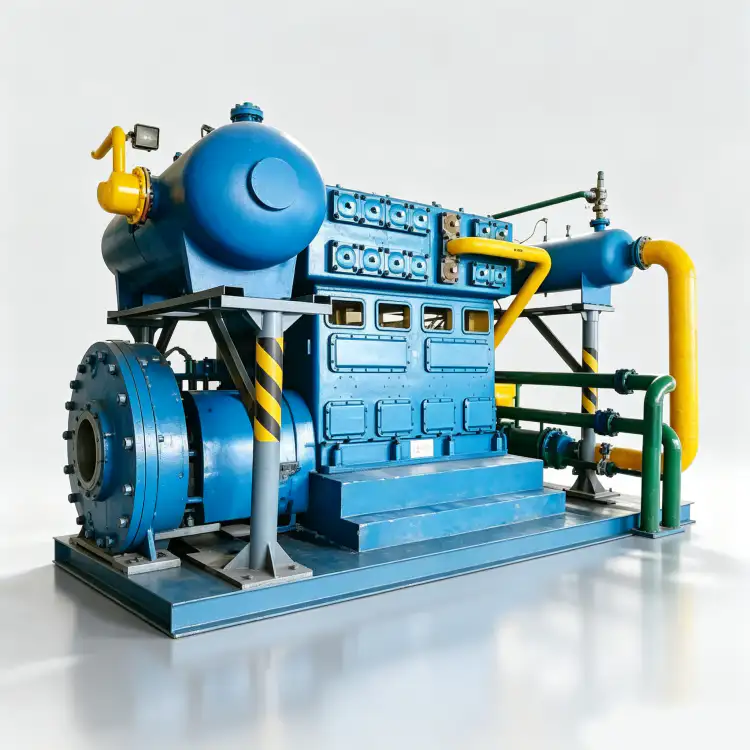
Terms that define the cleanliness boundary
- oil-free gas path
- A design objective in which the compressed nitrogen is not intentionally exposed to lubricating oil in the compression chamber.
- lubricated crankcase
- A crank mechanism that uses lubricant for bearings or running gear while seals and distance pieces separate it from the gas side.
- process contamination
- Any oil aerosol, vapor, particle, moisture or maintenance residue that would violate the downstream nitrogen specification.
- packing arrangement
- The sealing system around a reciprocating rod or plunger that limits gas leakage and migration between process and crankcase areas.
- maintenance burden
- The labor, consumables, inspection skill and outage scope needed to keep the gas path and running gear in acceptable condition.
- life-cycle cost
- Purchase, utilities, maintenance, spares, contamination risk and downtime evaluated over the expected operating period.
1. Start with the consequence of contamination
Define what “clean nitrogen” means at the point of use. A process that simply uses nitrogen to keep air out of a storage tank may have a different risk profile from a product-contact gas, a semiconductor purge, a pharmaceutical process or a catalyst-sensitive reactor. Write the allowed contaminants or the applicable internal gas-quality specification before choosing compressor architecture. If an oil trace would create scrap, invalidate a batch or poison a process, the design should minimize credible oil entry paths rather than relying on a vague statement that downstream filters will remove everything. If the process is less sensitive, a lubricated compressor may still be a sound choice when its gas-side separation and treatment are engineered for the duty. The economic comparison should include the cost of a contamination event, not only the price of the compressor.
2. Understand where lubricant exists and where it can migrate
In a lubricated reciprocating machine, lubricant may be essential for crankshaft bearings and other running gear even when the process cylinder is separated from the crankcase. Distance pieces, rod packing, wipers and vent arrangements are therefore part of the contamination barrier. In a dry-running or otherwise oil-free gas path, piston rings, guide elements or sealing surfaces may use self-lubricating materials, while bearings elsewhere in the machine can still require lubrication. Ask the supplier for a gas-path schematic and identify every interface between lubricated and process areas. Review packing vents and drains because abnormal leakage can reveal deterioration before contamination reaches the product header. The meaningful comparison is the complete separation strategy, not a label on the brochure.
This decision can also be cross-checked against the site’s oil free nitrogen compressor information before the project datasheet is released. The cross-check here is tied to oil-free oil-lubricated nitrogen compressors fits process.
3. Compare purity protection during normal operation and maintenance
A compressor can leave the factory clean and still be contaminated during maintenance. Grease on a tool, an incompatible cleaning solvent, a dirty temporary hose or a reused filter element can compromise an oil-free gas path. For sensitive service, define cleaning, assembly and storage practices for parts that contact nitrogen. Decide where purity, moisture or hydrocarbon condition will be verified after service. A lubricated design may require more attention to carryover control, while an oil-free design may rely more heavily on the condition of dry-running rings, guides or diaphragms. Neither architecture removes the need for upstream air treatment when the nitrogen is produced by PSA or membrane equipment; the generator itself has feed-air cleanliness requirements. Evaluate the whole path from compressed-air source to final nitrogen user.
4. Maintenance effort is different, not automatically lower
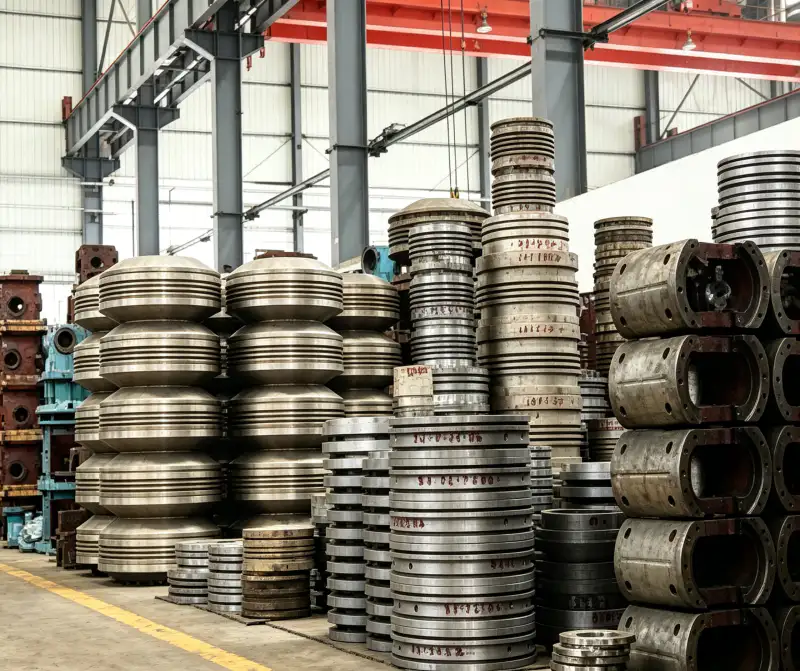
Oil-free does not mean maintenance-free. Dry-running wear parts, packings, valves, coolers, filters and instrumentation still require inspection and replacement based on the compressor design and condition. A lubricated machine adds lubricant level, quality, change practices and possible separation equipment to the maintenance plan, but familiar lubricated running gear may be attractive to some sites. Compare the tasks that actually require an outage and the skill needed to perform them. Ask how a packing leak is detected, how long gas-side components are expected to remain within wear criteria, and what spare parts should be held on site. Avoid generic service intervals from unrelated models; use the manufacturer’s manual and trend data for the selected machine.
5. Energy, cooling and operating envelope can outweigh the label
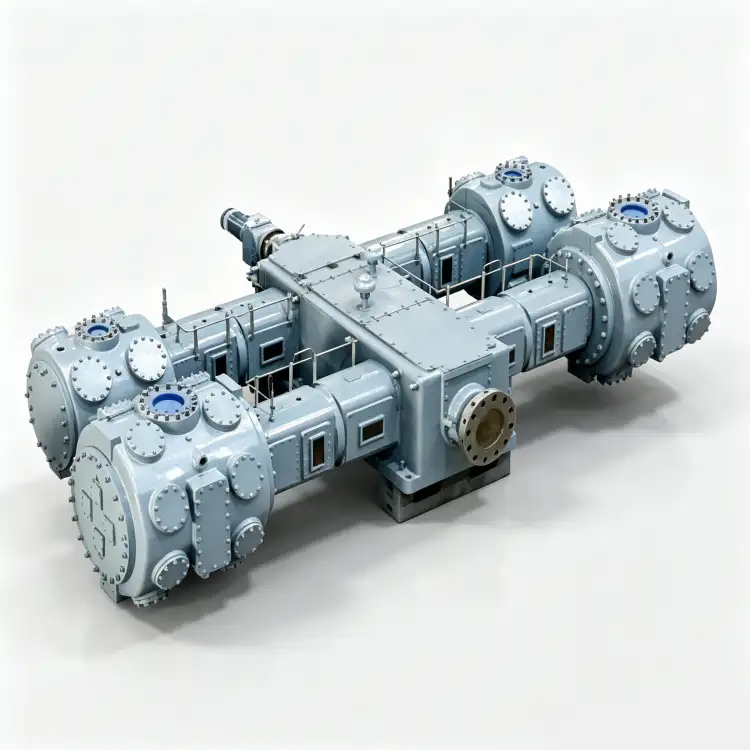
Two compressors described as oil-free and lubricated may use different cylinder arrangements, speeds, stage counts, cooling systems and controls. Those differences can matter more to energy use than the presence of lubricant itself. Compare matched performance at the same suction pressure, discharge pressure, nitrogen flow and ambient condition. Review motor input, cooling utility, unload or recycle behavior, and how efficiency changes at part load. Also consider leakage. A design with excellent gas tightness can preserve valuable high-purity nitrogen, while a poorly maintained packing system can turn purchased or generated nitrogen into a continuous loss. Do not assume one architecture has a universal efficiency advantage; request actual performance for the project duty.
6. Use a risk-based decision rule
Choose an oil-free gas path when the consequence of oil contamination is high, when downstream cleanup would be difficult to validate, or when the process specification explicitly requires it. Consider a lubricated design when the gas specification permits it and the machine offers a strong fit for capacity, pressure, reliability and site maintenance capability. In either case, specify separation details, venting, filtration, monitoring and maintenance practices. If the service is unusually purity-sensitive or leak-sensitive, a diaphragm or hermetically gas-tight arrangement may deserve separate evaluation rather than forcing the decision into a simple oil-free-versus-lubricated piston comparison. The final choice should state which contamination pathway is being controlled and how the plant will detect degradation.
When the process envelope is stable, the site’s nitrogen compressor for air separation page gives a practical equipment reference for the next selection step. The cross-check here is tied to oil-free oil-lubricated nitrogen compressors fits process.
Oil-free versus lubricated decision matrix
| Article | Engineering question | Verification or decision signal |
|---|---|---|
| Gas cleanliness | What contaminant limit applies at the user? | The compressor architecture and treatment train can be tied to a measurable gas-quality target. |
| Sealing concept | How are crankcase, atmosphere and process gas separated? | Packing, distance pieces, diaphragm or other barriers are visible on the gas-path review. |
| Maintenance practice | Can the site keep gas-contact parts clean during service? | The maintenance procedure preserves the selected cleanliness concept. |
| Ownership cost | What are energy, consumables, spares and downtime consequences? | The preferred design remains attractive after operating costs and contamination risk are included. |
| Record the final basis in the RFQ, commissioning file, or maintenance record so another engineer can reproduce the decision. | ||
Project verification worksheet
Before closing the work order, make “Define the gas-quality or contamination limit at the actual point of use.” traceable to evidence. For oil-free gas path, record the reference point and unit or physical condition; for process contamination, record the comparison point that confirms the system is behaving coherently. Relate both observations to “gas cleanliness requirement” and to the actual load or operating mode. A value without location and state is difficult to reuse later. Where the check reveals a mismatch, correct the restriction, control state, component condition, or design assumption that caused it, then repeat the same observation so the repair is proven rather than assumed.
Treat “seal and packing design” as a small commissioning experiment. Define the starting state, observe lubricated crankcase, change only the variable needed for the approved test, and watch the response in packing arrangement. The action “Ask for a gas-path drawing that shows lubricant, distance pieces, packing and vents.” should leave a record of initial condition, intervention, final condition, and any alarm or control response. This is useful when several components can create the same symptom. By changing one factor at a time and keeping the compressor inside its approved envelope, the team can separate cause from coincidence and avoid replacing hardware that was not responsible.
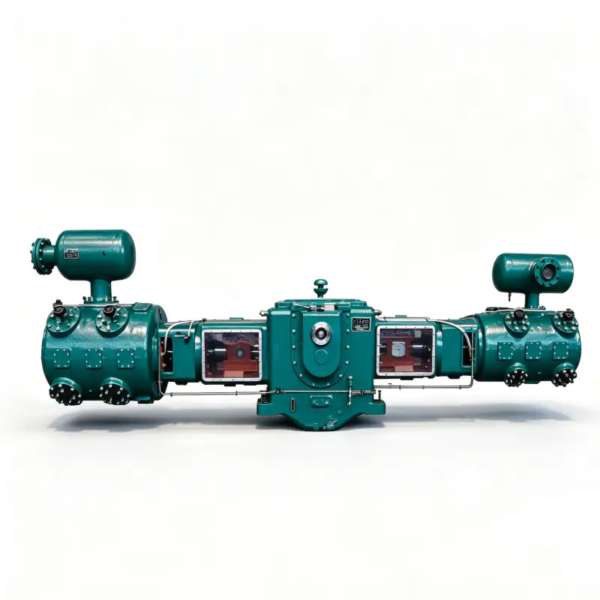
For long-term reliability, connect “Identify how abnormal packing or seal leakage will be detected.” with a baseline for process contamination. Record that baseline when the installation is clean, stable, and known to be healthy, then include maintenance burden and operating load so later readings can be normalized. The review concept “lubricant carryover risk” should have a defined trigger for investigation even when the absolute value has not reached an alarm. A gradual departure from a reproducible baseline often gives more warning than one isolated reading. If the process configuration changes, create a new documented baseline instead of comparing unlike operating states.
During engineering review, challenge the assumption behind “maintenance access” by tracing the physical path associated with packing arrangement and life-cycle cost. Follow the gas, heat, force, control signal, or leakage route from source to destination and identify every component that can alter the result. Then complete “Compare matched power and cooling data at the same nitrogen duty.” at the point where the decision is actually made, not at the most convenient gauge. Record any pressure drop, temperature difference, control delay, or inspection finding that explains the behavior. This path-based check prevents local measurements from being interpreted without system context.
For procurement alignment, compare the requirement described here with the site’s nitrogen compressor pressure calculation offering rather than relying on a generic compressor rating. The cross-check here is tied to oil-free oil-lubricated nitrogen compressors fits process.
Safety and verification boundary
Nitrogen is an asphyxiation hazard even when it is chemically inert for the process. Packing vents, purge outlets and relief discharges need a safe destination and adequate ventilation. When work is performed on a gas-side component, isolate and depressurize the machine, verify that trapped pressure is removed, and use cleaning materials compatible with the specified gas cleanliness. If the compressor serves a hazardous area, the electrical and mechanical configuration must match the approved area classification.
Questions to put in the technical bid evaluation
- Define the gas-quality or contamination limit at the actual point of use.
- Ask for a gas-path drawing that shows lubricant, distance pieces, packing and vents.
- Identify how abnormal packing or seal leakage will be detected.
- Compare matched power and cooling data at the same nitrogen duty.
- Review cleaning and reassembly practices for every gas-contact component.
- Include contamination consequence and downtime in the life-cycle cost comparison.
Common oil-free versus lubricated questions
Does oil-free mean there is no oil anywhere in the compressor?
Not necessarily. Some machines keep lubricant in bearings or the crankcase while designing the compression chamber and gas path to avoid intentional oil contact. Ask how lubricated areas are separated from the process gas.
Can filters make any lubricated compressor suitable for high-purity nitrogen?
Filters can be part of a treatment strategy, but they should not be used as a blanket substitute for understanding contamination sources. The required gas quality, carryover mechanism, filtration performance and monitoring method all need to be defined.
Is an oil-free compressor always cheaper to maintain?
No. Oil-free machines avoid some lubricant-related tasks but still have valves, seals, dry-running wear parts, coolers and instruments. Compare the actual service scope, spare strategy and outage consequence for the shortlisted designs.
Decision principle
The choice between oil-free and oil-lubricated nitrogen compression should be made from the process contamination risk outward. Map every credible route by which oil or other contamination could reach the gas, decide how that route is controlled and monitored, then compare energy, maintenance and ownership cost at the same duty point. A clear gas-path specification is more useful than relying on a single product label.