
Een hogedruk stikstofcompressor kiezen voor lasersnijden
Bepaal de grootte op basis van de druk- en debietlimieten van de snijmachine en gebruik vervolgens opslag en boosterrespons om pieken bij doorboring en meerdere machines op te vangen zonder de gaszuiverheid in gevaar te brengen.
Lasersnijden vereist een wisselende stikstofbehoefte. Een machine kan een tijdlang positioneren met weinig hulpgas, om vervolgens een snelle toevoer te vereisen zodra het snijden begint. Bovendien kunnen meerdere machines onvoorspelbaar tegelijkertijd aan het werk zijn. Het selecteren van de compressor op basis van het gemiddelde stikstofverbruik leidt daarom tot drukverlies bij de nozzle, zelfs als de dagelijkse productie toereikend lijkt. Begin met de door de laserfabrikant vereiste hulpgasdruk bij de machine-inlaat en de verbruikscurve voor de werkelijke nozzlegroottes, materialen, diktes en snijrecepten. Stel een profiel op voor gelijktijdig gebruik, houd rekening met leidingverlies en bepaal hoeveel van de korte piek afkomstig is van de reservoir en hoeveel van de compressorstroom. De zuiverheid en droogte van het gas zijn belangrijk, omdat verontreiniging de regelaars, apparatuur in de buurt van de optiek, kleppen en snijoppervlakken kan bereiken. De gekozen booster moet aan de vraag kunnen voldoen en binnen het goedgekeurde bereik voor zuigkracht, druk, temperatuur en snelheid blijven.
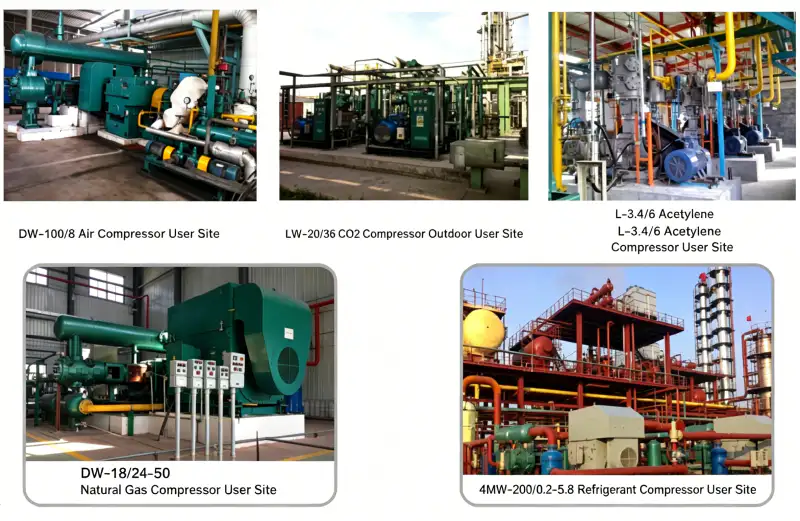
Invoergegevens voor lasersnijden
- hulpgasdruk
- De stikstofdruk die het snijsysteem nodig heeft bij de daarvoor bestemde inlaat of regelaar, na aftrek van alle distributieverliezen.
- momentane stroom
- De kortstondige stikstofstroom die nodig is terwijl een spuitmond actief aan het snijden is, kan voor de maatvoering veel belangrijker zijn dan het gemiddelde verbruik per shift.
- lasermondstuk
- De diameter en de werkingsinstellingen van de snijkop hebben een grote invloed op de toevoer van hulpgas.
- stikstofzuiverheid
- De stikstofsamenstelling die nodig is voor het snijproces om het gewenste oxidatiegedrag en de gewenste snijkwaliteit te bereiken.
- ontvanger opslag
- De voorraad persstikstof wordt gebruikt om snelle veranderingen in de vraag op te vangen waar de compressor niet direct op kan inspelen.
- boosterreactie
- De manier waarop de compressorcapaciteit en de persdruk zich herstellen na een plotselinge toename van de vraag naar hulpgas.
1. Verzamel gegevens over druk en verbruik aan de hand van de snijrecepten.
Verzamel de door de leverancier opgegeven druk- en debietvereisten voor de materialen en nozzlecombinaties die de fabriek daadwerkelijk gebruikt. Ga niet uit van de maximale waarde uit één brochure als die situatie zich zelden voordoet, en ga niet uit van een gemiddelde als een recept met een hoog debiet de productie bepaalt. Noteer of de opgegeven druk wordt gemeten bij de machine-inlaat, de uitlaat van de regelaar of de snijkop. De compressor en het verdeelstuk moeten de drukverliezen tussen het drukregelpunt en de opgegeven locatie compenseren.
Maak een vraagtabel per machine en recept. Vermeld de actieve snijstroom, de verwachte bezettingsgraad en hoe vaak twee of meer machines tegelijk snijden. Gebruik voor een nieuwe fabriek een conservatief scenario voor gelijktijdige productie, afgestemd met de productieafdeling. Voor een operationele fabriek geeft een flowlogger of een trend in de druk van de drukvaten tijdens representatieve diensten een beter beeld dan de maandelijkse totale stikstofinkoopcijfers.
2. Maak onderscheid tussen aanhoudende stroming en plotselinge stroming.
De compressor moet gedurende de gehele ontwerpperiode een constante stikstofconsumptie kunnen leveren, maar een reservoir kan korte pieken leveren. Bereken de hoeveelheid gas die wordt onttrokken tijdens de grootst mogelijke overlap en vergelijk deze met de compressorproductie gedurende hetzelfde interval. Het verschil is de voorraad die het reservoir moet aanhouden tussen de toegestane hoge en lage drukken. Gebruik absolute druk en een consistente referentieconditie bij het omrekenen van het opgeslagen gasvolume.
Als de druk in de drukvaten gedurende een lange maaicampagne herhaaldelijk daalt, ligt het probleem niet bij de opslagcapaciteit; de capaciteit van de compressor of generator is onvoldoende. Omgekeerd kan het overdimensioneren van de booster om slechts enkele seconden piekbelasting op te vangen, leiden tot overmatig schakelen bij normale belasting. Een gebalanceerd ontwerp zorgt ervoor dat de compressor een stabiele basisbelasting heeft en dat de opslag de snelste pieken kan opvangen.
Voor een vergelijking van vergelijkbare apparatuur kunt u de website raadplegen. stikstofcompressor voor lasersnijden Opties tijdens het controleren van de werkingsveronderstellingen in dit gedeelte. De kruiscontrole hier is gekoppeld aan het selecteren van een hogedruk stikstofcompressor voor lasersnijden.
3. Bescherm de druk bij de machine, niet alleen bij de perslucht van de compressor.
Een hoge hulpgasstroom kan aanzienlijk drukverlies veroorzaken in lange leidingen, filters, kleppen, regelaars, slangen en kleine aftakkingen. Bereken het distributiepad van de ontvanger naar de machine met de hoogste gasvraag bij maximale gelijktijdige doorstroming. Zelfs een booster die zijn lokale debiet instelt, kan de snijkop onvoldoende druk leveren als het netwerk restrictief is.
Plaats de drukmeting op een plek waar het drukpad kan worden vastgesteld. Registreer de druk in de opvangtank, de druk in de hoofdleiding en de druk bij de machine-inlaat gedurende een bekende snijcyclus. Een groot drukverschil wijst op een distributieprobleem dat moet worden verholpen door middel van leidingdimensionering, lokale opslag, klepselectie of de lay-out van de aftakkingen, in plaats van de compressordruk te verhogen zonder analyse.
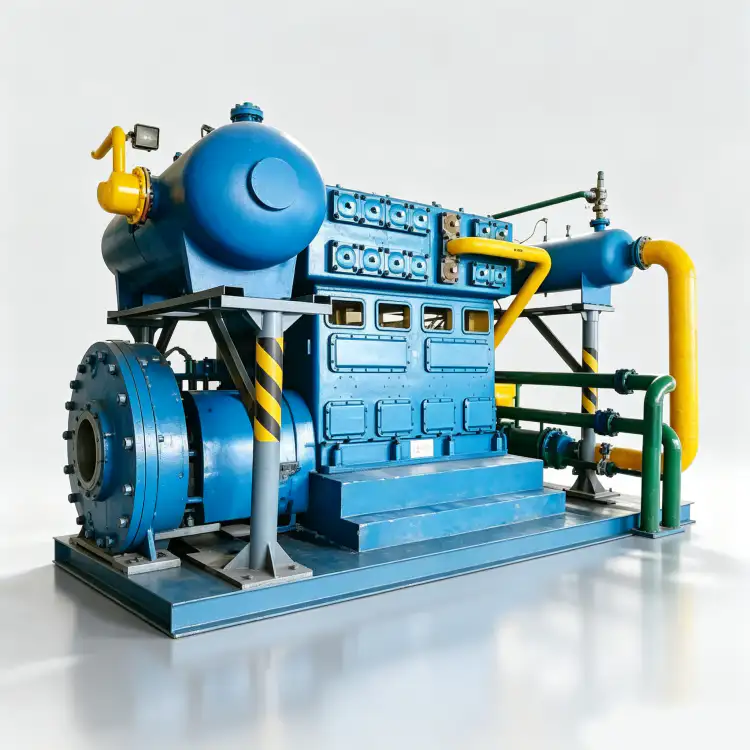
4. Houd de stikstof schoon en droog tijdens het comprimeren en opslaan.
Definieer de eisen met betrekking tot zuurstofzuiverheid, vochtgehalte, olie en deeltjes afzonderlijk. Olievrije compressie kan aantrekkelijk zijn wanneer het risico op verontreiniging geminimaliseerd moet worden, maar het gehele proces – generator, reservoir, compressor, filters, leidingen en onderhoudsprocedures – bepaalt de uiteindelijke reinheid. Nieuwe hogedrukleidingen moeten worden gereinigd en gespoeld voordat ze op snijmachines worden aangesloten.
Plaats filters op een plek waar het drukverschil kan worden gecontroleerd en onderhoud ze voordat verstopping een drukverliesprobleem wordt. Als de stikstof afkomstig is van een PSA- of membraangenerator, controleer dan of de geselecteerde zuiverheid behouden blijft bij de maximale productstroom. Een hogedrukvat mag niet worden gebruikt om startgas dat niet aan de specificaties voldoet te verdunnen; de zuiverheid moet worden gecontroleerd vóór opslag.
5. Kies de booster op basis van het zuigbereik en de reactiesnelheid, evenals de uiteindelijke druk.
Een laserbooster kan stikstof ontvangen van een generator op locatie, waarvan de productdruk varieert met het niveau in de ontvanger. Geef de compressorfabrikant de minimale en maximale zuigdruk, de zuigtemperatuur, de vereiste einddruk, de referentiestroom, de inschakelduur en de verwachte regelmethode. Vraag naar de capaciteit en temperatuur over het volledige zuigbereik. Een lagere zuigdruk verhoogt de algehele compressieverhouding en kan de geleverde massastroom verminderen.
Voor frequentieomvormers of andere capaciteitsregelingen dient u het toegestane regelbereik en de reactiesnelheid te bevestigen. De ontvanger moet de initiële vraagpiek opvangen terwijl de booster accelereert. Indien meerdere machines tegelijk kunnen opstarten, simuleer deze gebeurtenis dan in de regelfilosofie en definieer de minimaal acceptabele machine-inlaatdruk tijdens het herstel.
Gebruik de site stikstofboostercompressor Deze bron dient als tweede controle bij het vertalen van deze eis naar een compressorspecificatie. De kruiscontrole is hier gekoppeld aan het lasersnijden van geselecteerde hogedrukstikstofcompressoren.
6. Valideer het systeem met een echte snijtest.
Bij de inbedrijfstelling moet het snijproces worden uitgevoerd met de hoogste druk-debietcombinatie en een realistisch scenario met gelijktijdige machines. Houd de aanzuig- en persdruk van de compressor, de druk in de opvangtank, de druk in de verdeelleiding, de inlaatdruk van de machine, het debiet (indien beschikbaar), de boostersnelheid of -belasting en de belangrijkste temperaturen in de gaten. Controleer of de druk bij de laser gedurende de gehele snede binnen het vereiste bereik blijft.
Controleer vervolgens het herstel na de drukstoot. De druk in de ontvanger moet herstellen zonder dat de booster de temperatuur- of regelgrenzen overschrijdt en zonder herhaaldelijk snel schakelen. Bewaar deze metingen als basislijn voor acceptatie. Wanneer er in de toekomst een klacht binnenkomt over een lage stikstofdruk, zullen dezelfde meetpunten aantonen of de oorzaak ligt bij de compressorcapaciteit, een lege opslagtank, een vernauwing in de leiding of een gewijzigd snijrecept.
Selectietabel voor laserstikstof
| Item | Technische vraag | Verificatie- of beslissingssignaal |
|---|---|---|
| Machinevereisten | Welke druk en doorstroming vereist elk actief recept? | De waarden worden gemeten op het door de laserleverancier gedefinieerde referentiepunt. |
| Overlap van pieken | Hoeveel machines kunnen tegelijkertijd snijden? | De ontvanger en compressor dekken het overeengekomen gelijktijdigheidsgeval af. |
| Distributieverlies | Welke druk bereikt de verst gelegen machine tijdens de piek? | De gemeten inlaatdruk van de machine blijft boven het vereiste minimum. |
| Gaskwaliteit | Kunnen olie, vocht, deeltjes of een afwijkende zuiverheid de laser bereiken? | Behandelings- en zuiverheidsvoorschriften beschermen opgeslagen en geleverde stikstof. |
| Leg de uiteindelijke beslissing vast in de offerteaanvraag, het inbedrijfstellingsdossier of het onderhoudsverslag, zodat een andere engineer de beslissing kan reproduceren. | ||
Werkblad voor projectverificatie
Zet het beoordelingspunt "begin bij het verbruiksprofiel van de machine" om in een vastgelegde acceptatiestap. Identificeer waar de hulpgasdruk wordt gemeten, de bedrijfstoestand op dat moment en welke stroomopwaartse of stroomafwaartse conditie de laserstraalmondstuk kan beïnvloeden. Noteer het instrument, de tekening, het gegevensblad of de fysieke inspectie die is gebruikt om de basis vast te stellen. Voer vervolgens de actie "Verzamel de druk en de momentane stikstofstroom voor het daadwerkelijke mondstuk en de materiaalrecepten" uit onder herhaalbare omstandigheden. Als het resultaat afwijkt van het verwachte gedrag, stel dan de volgende ontwerp- of onderhoudsbeslissing uit totdat de afwijking is verklaard. Dit geeft een andere engineer voldoende context om de controle te reproduceren zonder te hoeven vertrouwen op geheugen of een niet-gedocumenteerde aanname.
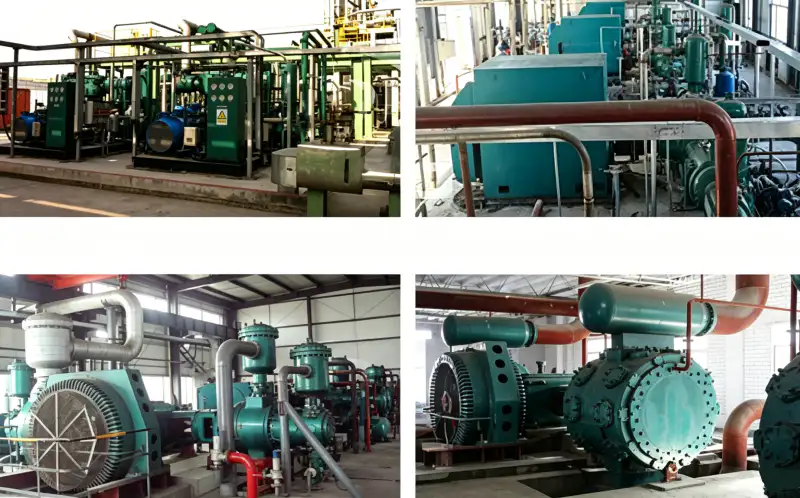
Gebruik de momentane doorstroming als controlepunt in het veld, gekoppeld aan "Stel een gelijktijdig vraagprofiel op voor alle machines in plaats van te vertrouwen op het dagelijkse gemiddelde verbruik". Noteer de meet- of inspectielocatie, de gastoestand, de compressorbelasting, de relevante klepstanden en het document dat de acceptatie definieert. Controleer tegelijkertijd de stikstofzuiverheid, zodat een lokaal symptoom niet wordt aangezien voor een probleem in het hele systeem. Het concept "dekken van piekvraag" is pas voltooid wanneer de waarneming leidt tot een duidelijke beslissing: accepteren, corrigeren of escaleren naar de leverancier. Herhaal de controle na elke correctie en bewaar de waarden voor en na de correctie bij het inbedrijfstellings- of onderhoudsverslag.
Controleer of de uitlaatdruk overeenkomt door een gecontroleerde situatie te creëren waarin de laserstraalmond en de reservoircapaciteit samen kunnen worden geïnterpreteerd. Stabiliseer het systeem, noteer de druk, temperatuur, debiet of machinestatus indien relevant, en gebruik gekalibreerde instrumenten of directe inspectie op de aangegeven locaties. Voer de controle "Substitueer reservoircapaciteit voor korte tekorten en compressorcapaciteit voor aanhoudende vraag" uit en registreer zowel de verwachte als de waargenomen respons. Indien een modelspecifieke limiet vereist is, dient u deze te verkrijgen uit de documentatie van de geselecteerde compressor, het reservoir, de leidingen, de generator of het proces, in plaats van een algemene waarde in te voeren. Het verslag moet aantonen waarom de uiteindelijke beslissing technisch verdedigbaar is.
Voordat u de werkorder afsluit, moet u de berekening van de drukval naar de meest veeleisende lasertak bij piekdebiet traceerbaar maken aan de hand van bewijsmateriaal. Noteer voor de zuiverheid van stikstof het referentiepunt en de eenheid of fysieke toestand; noteer voor de respons van de booster het vergelijkingspunt dat bevestigt dat het systeem coherent functioneert. Koppel beide waarnemingen aan de "zuiverheid van het beschermgas" en aan de werkelijke belasting of bedrijfsmodus. Een waarde zonder locatie en toestand is later moeilijk opnieuw te gebruiken. Als de controle een afwijking aan het licht brengt, corrigeer dan de beperking, de regeltoestand, de componenttoestand of de ontwerpveronderstelling die dit heeft veroorzaakt en herhaal vervolgens dezelfde controle, zodat de reparatie bewezen is in plaats van aangenomen.
Voordat u de apparatuurkeuze definitief maakt, vergelijk deze taak met de eisen van de locatie. industriële stikstofcompressor bereik en bevestig dat dezelfde drukbasis wordt gebruikt. De kruiscontrole is hier gekoppeld aan het selecteren van een hogedruk stikstofcompressor voor lasersnijden.
Beschouw "opslagcapaciteit nabij belasting" als een klein inbedrijfstellingsexperiment. Definieer de beginsituatie, observeer de opslagcapaciteit van de ontvanger, wijzig alleen de variabele die nodig is voor de goedgekeurde test en observeer de reactie in de hulpgasdruk. De actie "Controleer zuiverheid, vochtgehalte, olie, deeltjes, zuigbereik en boosterregeling" moet een registratie achterlaten van de beginsituatie, de interventie, de eindsituatie en eventuele alarm- of regelreacties. Dit is nuttig wanneer meerdere componenten hetzelfde symptoom kunnen veroorzaken. Door één factor tegelijk te wijzigen en de compressor binnen de goedgekeurde toleranties te houden, kan het team oorzaak en toeval onderscheiden en voorkomen dat hardware wordt vervangen die niet verantwoordelijk was.
Veiligheids- en verificatiegrens
Stikstof onder hoge druk bevat een aanzienlijke hoeveelheid opgeslagen energie en kan bij vrijkomen een zuurstofarme atmosfeer creëren. Gebruik drukbestendige slangen, regelaars, afsluiters, reservoirs en leidingen die zijn goedgekeurd voor de ontwerpdruk. Zoek nooit met blote handen naar lekken onder hoge druk. Ontluchtings- en overdrukventielen moeten veilig worden aangelegd en de gasdruklimieten van de leverancier van de snijmachine hebben voorrang op algemene compressorinstellingen.
Checklist voor laser stikstofcompressor
- Registreer de druk en de momentane stikstofstroom voor de daadwerkelijke sproeier- en materiaalsamenstellingen.
- Stel een gelijktijdig vraagprofiel op voor alle machines, in plaats van te vertrouwen op het gemiddelde dagelijkse verbruik.
- Zorg voor voldoende opslagcapaciteit in de buffertank voor kortstondige tekorten en voldoende compressorcapaciteit voor een constante vraag.
- Bereken de drukval naar de meest veeleisende lasertak bij maximale doorstroming.
- Controleer de zuiverheid, het vochtgehalte, de olie, de deeltjes, het zuigbereik en het vermogensbereik van de booster.
- Inrichting met een echte, veeleisende snijtest en behoud van druktrends.
Vragen over laserhulpgas
Moet ik de booster dimensioneren op basis van de som van de maximale doorstroming van elke laser?
Alleen als die gelijktijdige voorwaarde geloofwaardig is. Gebruik een overeengekomen gelijktijdigheidsscenario plus opslagcapaciteit voor de ontvanger, maar zorg ervoor dat de continue capaciteit de productie dekt zonder geleidelijke drukafname.
Kan ik de lage sproeierdruk verhelpen door de persdruk van de compressor te verhogen?
Niet voordat het drukpad is gemeten. Een vernauwend filter, regelaar, slang of aftakleiding kan de werkelijke oorzaak zijn, en het verhogen van de systeemdruk kan het energieverbruik en de belasting van de apparatuur verhogen.
Is de zuiverheid van stikstof de enige vereiste gaskwaliteit voor lasersnijden?
Nee. Vocht, olie en deeltjes kunnen ook van belang zijn voor regelaars, kleppen, procesconsistentie en de reinheid van apparatuur. Definieer en verifieer elke vereiste afzonderlijk.
Selectieregel
Selecteer een stikstofcompressor voor lasersnijden op basis van de werkelijke receptuurbehoefte van de machine en verdeel de belasting vervolgens in een constante compressorstroom en korte, door de ontvanger ondersteunde pieken. Controleer de drukval, reinheid, zuigvariatie en boosterrespons met een praktijktest in plaats van alleen de persdruk te accepteren.