
Compressione dell'azoto per linee di confezionamento alimentare
L'azoto confezionato deve soddisfare le specifiche del gas prodotto, adattarsi alla domanda di linea altamente variabile e rimanere pulito durante le fasi di ricezione, compressione, filtraggio e manutenzione.
Il confezionamento in atmosfera modificata può consumare azoto in cicli macchina brevi, lavaggi continui o combinazioni che variano in base alle dimensioni della confezione e alla velocità della linea. Il sistema di compressione ha quindi due funzioni: fornire una quantità di gas sufficiente alla macchina confezionatrice senza cali di pressione e preservare la qualità del gas richiesta per l'uso alimentare. Iniziate con le specifiche del processo di confezionamento per la composizione dell'azoto e i contaminanti, quindi misurate o calcolate il consumo di ciascuna linea alla velocità di produzione prevista. Lo stoccaggio in serbatoi può attenuare i rapidi cicli delle valvole, mentre la capacità del compressore o del generatore deve coprire il carico sostenuto del turno. Evitate di considerare un requisito di gas a contatto con gli alimenti come una generica dichiarazione di purezza del compressore; l'intero percorso di generazione, compressione, stoccaggio, filtrazione, distribuzione e manutenzione deve essere incluso nel sistema di qualità e conformità del sito.
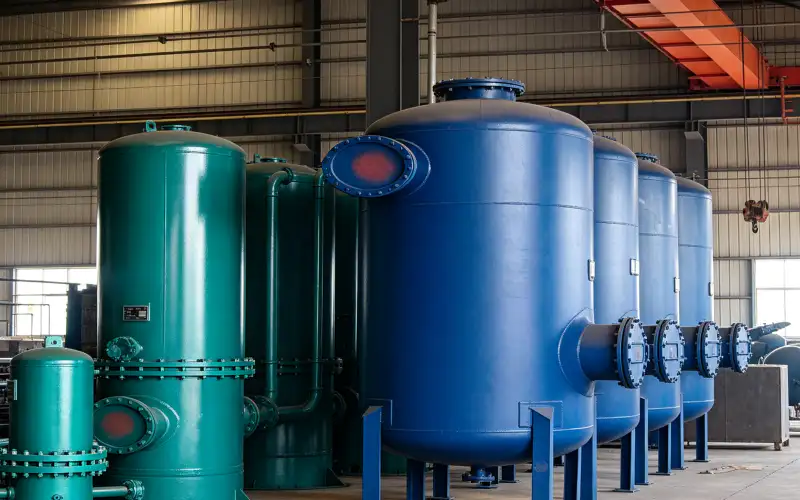
Requisiti di azoto per l'imballaggio
- confezionamento in atmosfera modificata
- Un processo di confezionamento che sostituisce o controlla il gas intorno agli alimenti per ottenere un'atmosfera specifica per il prodotto.
- purezza dell'azoto
- La composizione di azoto richiesta dalla ricetta di confezionamento, spesso monitorata tramite analisi dell'ossigeno o di altri gas specifici.
- gas a contatto con gli alimenti
- Azoto utilizzato in un modo che può entrare in contatto con l'atmosfera del prodotto o della confezione e pertanto rientra nei requisiti di qualità del sito applicabili.
- domanda della linea di confezionamento
- Il flusso di azoto dipendente dal tempo, creato dai cicli di lavaggio, riempimento e sigillatura, dalla velocità della linea, dal volume della confezione e dal numero di macchine in funzione simultaneamente.
- ricevitore
- Un recipiente a pressione che immagazzina azoto e riduce le brevi fluttuazioni di pressione causate dalla domanda ciclica di confezionamento.
- percorso del gas sanitario
- Un percorso di erogazione del gas pulito, gestito in modo da prevenire la presenza di olio, umidità, particelle, microrganismi o residui di manutenzione indesiderati, come richiesto dal processo.
1. Iniziare con le specifiche del gas per la lavorazione degli alimenti
Definire la purezza dell'azoto e gli eventuali limiti relativi a ossigeno, umidità, olio, odore, particelle o altri contaminanti nel punto in cui il gas entra nel processo di confezionamento. I requisiti applicabili dipendono dalla giurisdizione, dal prodotto, dalle specifiche del cliente e dal sistema di qualità. Tali requisiti devono essere inclusi nella richiesta di offerta (RFQ) del compressore e nel piano di messa in servizio, anziché basarsi sulla dicitura "per uso alimentare" senza un metodo di accettazione misurabile.
Verificare se il lubrificante del compressore potrebbe entrare in contatto con il gas. Se il rischio di processo richiede un percorso senza olio, verificare di conseguenza la tecnologia del compressore e i sistemi ausiliari. Anche con la compressione senza olio, il trattamento dell'aria di alimentazione a monte, i generatori, i serbatoi, le tubazioni, i filtri e le procedure di manutenzione possono introdurre contaminanti, pertanto la verifica della qualità deve coprire l'intero percorso.
2. Mappare la domanda della linea in base ai cicli macchina e al tasso di produzione
Per ogni linea di confezionamento, raccogliere dati relativi al flusso di gas per ciclo o alla portata di lavaggio continuo, ai cicli al minuto, alle ore di funzionamento e a qualsiasi richiesta di spurgo o avviamento. Utilizzare le ricette di produzione effettive, poiché volumi di confezionamento e impostazioni di lavaggio del gas diversi possono variare i consumi. Sommare il flusso sostenuto simultaneo, quindi identificare i picchi brevi quando più valvole o macchine si aprono contemporaneamente.
Un flussometro installato su un collettore di esercizio può rivelare il reale andamento. Monitorare l'andamento di flusso e pressione durante un turno rappresentativo, inclusi i cambi di formato e il recupero dell'acqua di sanificazione. Distinguere le perdite dal consumo di processo; l'azoto utilizzato da raccordi difettosi o valvole di spurgo aperte deve essere corretto, non integrato in una scelta di compressore più grande.
Questa decisione può anche essere verificata incrociando i dati del sito compressore di azoto per imballaggi alimentari informazioni prima del rilascio della scheda tecnica del progetto. Il controllo incrociato qui è legato ai compressori di azoto, al confezionamento alimentare, alla pressione, alla purezza e al flusso.
3. Utilizzare lo stoccaggio per uniformare la domanda ciclica di imballaggi
Le valvole di confezionamento possono creare rapidi picchi di domanda che sono gestiti meglio da un serbatoio di accumulo piuttosto che forzare un compressore ad avviarsi, scaricarsi o accelerare a ogni ciclo. Dimensionare la capacità di stoccaggio utilizzabile in base alla differenza temporanea tra la domanda di linea e la portata del compressore e alla banda di pressione consentita alla macchina. Posizionare lo stoccaggio in modo che le tubazioni tra il serbatoio di accumulo e le linee ad alta domanda non introducano un'eccessiva caduta di pressione.
Anche lo stoccaggio influisce sul ciclo di funzionamento del compressore. Un serbatoio troppo piccolo può causare frequenti avviamenti o transizioni di carico-scarico; una fascia di pressione inutilmente elevata spreca energia di compressione e può aumentare le perdite. Impostare la fascia di controllo in base alla pressione minima richiesta dall'apparecchiatura di confezionamento più la perdita di distribuzione misurata, non in base all'abitudine di far funzionare il collettore alla pressione più alta possibile.
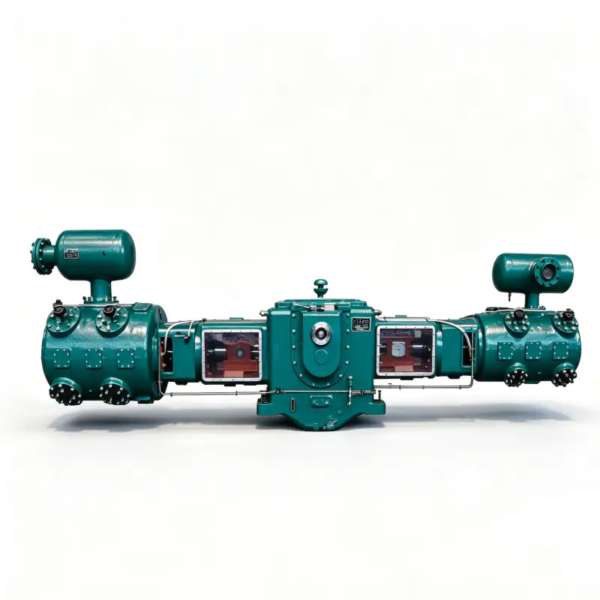
4. Mantenere pulito il percorso del gas attraverso la compressione e la distribuzione
Utilizzare sistemi di filtrazione e essiccazione conformi ai limiti di contaminazione del sito. Monitorare la pressione differenziale del filtro, poiché un elemento intasato può causare una perdita di pressione anche se apparentemente continua a proteggere la qualità. Convogliare gli scarichi in modo che la condensa non possa rientrare nel circuito del gas o contaminare l'area di produzione. I nuovi serbatoi e le tubazioni devono essere puliti, asciugati e spurgati prima di essere immessi nelle macchine di confezionamento.
I controlli di manutenzione sono parte integrante della gestione sanitaria del percorso del gas. Chiudere le tubazioni aperte, utilizzare materiali e lubrificanti approvati, impedire che detriti di officina entrino nei componenti e seguire la procedura di pulizia e ripristino del sito dopo l'intervento. Se si apre una valvola, un set di guarnizioni, un filtro o un refrigeratore, stabilire quali controlli di qualità del gas sono necessari prima che la linea torni a contatto con il prodotto.
5. Coordinare pressione, purezza e capacità del generatore
Se l'azoto proviene da un generatore PSA o a membrana, è possibile collegare la purezza e il flusso del prodotto. Verificare che il generatore sia in grado di fornire la purezza richiesta a fronte di una domanda di confezionamento costante, mantenendo al contempo una pressione di aspirazione del booster accettabile. Inserire un serbatoio di raccolta del prodotto a bassa pressione tra il generatore e il booster ad alta pressione quando i cicli di domanda potrebbero altrimenti interferire con il funzionamento del generatore.
Utilizzare un analizzatore di ossigeno o un altro sistema di verifica della qualità approvato in un punto rappresentativo. Il gas di avviamento o fuori specifica deve seguire il percorso di sfiato o di recupero definito dall'impianto, anziché essere compresso nel ricevitore del prodotto. Lo stoccaggio ad alta pressione rallenta il recupero della contaminazione, pertanto le tolleranze di qualità sono più utili prima della creazione di tale inventario.
Quando l'involucro del processo è stabile, il sito compressore di gas azoto La pagina fornisce un riferimento pratico alle attrezzature per la fase di selezione successiva. Il controllo incrociato qui è legato ai compressori di azoto, al confezionamento alimentare, alla pressione, alla purezza e al flusso.
6. Verificare le prestazioni durante una produzione rappresentativa
Collaudo con velocità di linea effettive e ricette di confezionamento, non solo con un test del compressore senza prodotto. Analisi dell'andamento della pressione del collettore di confezionamento, della pressione del ricevitore, dello stato di carico del compressore, della pressione del prodotto del generatore (se applicabile), della portata e delle letture della qualità del gas. Includere il numero più elevato possibile di linee simultanee. Verificare che la pressione minima della macchina rimanga accettabile durante i cicli di domanda più rapidi.
Utilizzare la stessa sessione di produzione per stabilire parametri di riferimento per la qualità e la manutenzione: pressione differenziale del filtro, condizioni dell'essiccatore, risposta dell'analizzatore, comportamento dello scarico e temperature del compressore. Registrare la configurazione della linea e la velocità di produzione insieme ai dati. Eventuali reclami futuri relativi alla pressione o alla qualità potranno quindi essere confrontati con una condizione di confezionamento nota come ottimale, anziché basarsi su un singolo indicatore del compressore.
tavolo di progettazione per imballaggi alimentari
| Articolo | Domanda di ingegneria | Segnale di verifica o di decisione |
|---|---|---|
| Specifiche del gas | Quali sono i livelli di purezza e i contaminanti accettabili per la macchina confezionatrice? | I limiti e i metodi di misurazione sono documentati nel piano di qualità. |
| Domanda di linea | Quali flussi continui e ciclici si verificano alla velocità di produzione reale? | Il profilo di flusso comprende ricette, linee simultanee, avvio e cambio formato. |
| Stabilità della pressione | Il ricevitore è in grado di assorbire cicli rapidi della valvola? | La pressione di ingresso della macchina si mantiene al di sopra del minimo di processo senza cicli di funzionamento eccessivi del compressore. |
| Pulizia | Le apparecchiature di manutenzione o trattamento possono introdurre contaminanti? | Il percorso del gas, i filtri, gli scarichi, la pulizia e i controlli di rilascio sono controllati. |
| Annotare la motivazione finale nella richiesta di offerta, nel fascicolo di collaudo o nel registro di manutenzione, in modo che un altro ingegnere possa riprodurre la decisione. | ||
Foglio di lavoro per la verifica del progetto
Prima di chiudere l'ordine di lavoro, assicurarsi che la "Definizione dei limiti misurabili di purezza dell'azoto e di contaminazione nel punto di utilizzo dell'imballaggio" sia tracciabile tramite documentazione. Per gli imballaggi in atmosfera modificata, registrare il punto di riferimento e l'unità o la condizione fisica; per i gas a contatto con gli alimenti, registrare il punto di confronto che conferma il corretto funzionamento del sistema. Collegare entrambe le osservazioni alla "Definizione delle specifiche del gas di imballaggio" e al carico effettivo o alla modalità operativa. Un valore senza indicazione di posizione e stato è difficile da riutilizzare in seguito. Qualora il controllo riveli una discrepanza, correggere la restrizione, lo stato di controllo, la condizione del componente o l'ipotesi di progettazione che l'ha causata, quindi ripetere la stessa osservazione in modo che la riparazione sia dimostrata e non ipotizzata.
Considerate la "mappatura del consumo di linea" come un piccolo esperimento di collaudo. Definite lo stato iniziale, osservate la purezza dell'azoto, modificate solo la variabile necessaria per il test approvato e monitorate la risposta della domanda della linea di confezionamento. L'azione "Mappatura del consumo di gas per ogni ricetta di confezionamento, velocità di linea e caso operativo simultaneo" dovrebbe registrare le condizioni iniziali, l'intervento, le condizioni finali e qualsiasi allarme o risposta di controllo. Questo è utile quando diversi componenti possono generare lo stesso sintomo. Modificando un fattore alla volta e mantenendo il compressore entro i suoi limiti approvati, il team può distinguere la causa dalla coincidenza ed evitare di sostituire hardware non responsabile.
Per garantire l'affidabilità a lungo termine, collegare la sezione "Dimensionamento della capacità di stoccaggio per la domanda ciclica a breve termine e della capacità del compressore per la domanda sostenuta" con un valore di riferimento per il gas a contatto con gli alimenti. Registrare tale valore di riferimento quando l'impianto è pulito, stabile e in buone condizioni, quindi includere il ricevitore e il carico operativo in modo che le letture successive possano essere normalizzate. Il concetto di revisione "controllo della contaminazione" dovrebbe avere un trigger definito per l'indagine anche quando il valore assoluto non ha raggiunto un livello di allarme. Una deviazione graduale da un valore di riferimento riproducibile spesso fornisce un preavviso maggiore rispetto a una singola lettura isolata. Se la configurazione del processo cambia, creare un nuovo valore di riferimento documentato anziché confrontare stati operativi diversi.
Durante la revisione ingegneristica, mettete in discussione l'ipotesi alla base della "stabilizzazione della pressione" tracciando il percorso fisico associato alla richiesta della linea di confezionamento e al percorso del gas sanitario. Seguite il percorso del gas, del calore, della forza, del segnale di controllo o delle perdite dalla sorgente alla destinazione e identificate ogni componente che può alterare il risultato. Quindi completate la procedura "Imposta la pressione del collettore dal valore minimo della macchina più la perdita di distribuzione misurata" nel punto in cui la decisione viene effettivamente presa, non in corrispondenza del manometro più comodo. Registrate qualsiasi calo di pressione, differenza di temperatura, ritardo di controllo o riscontro di ispezione che spieghi il comportamento. Questa verifica basata sul percorso impedisce che le misurazioni locali vengano interpretate senza il contesto del sistema.
Per l'allineamento degli acquisti, confrontare il requisito qui descritto con quello del sito. compressore di N2 ad alta pressione offrendo piuttosto che affidarsi a una valutazione generica del compressore. Il controllo incrociato qui è legato ai compressori di azoto, al confezionamento alimentare, alla pressione, alla purezza e al flusso.
Rendere utilizzabile la verifica per "Controllo filtri, essiccatori, scarichi, pulizia e rilascio post-manutenzione" durante una futura indagine sui guasti. Registrare in un unico documento il ricevitore, l'imballaggio in atmosfera modificata, lo stato del compressore, lo stato della richiesta e il tempo di osservazione. Collegare tale documento all'intento progettuale "pianificazione della manutenzione igienica" e annotare quale disegno, manuale, specifica di processo o strumento calibrato ha stabilito l'accettazione. Se la lettura è normale, diventa un riferimento. Se è anomala, documentare l'azione correttiva e ripetere il test nelle stesse condizioni. Registrazioni coerenti riducono la tentazione di compensare un problema inspiegabile aumentando la pressione, la velocità, i limiti di temperatura o impostazioni non correlate.
Verificare la "verifica dei documenti di conformità" al confine in cui si manifesta la sua conseguenza. Osservare il percorso del gas sanitario alla sua origine e la purezza dell'azoto sul lato ricevente, quindi completare la "Messa in servizio durante la produzione di confezionamento rappresentativa e mantenimento delle tendenze di qualità e pressione" mentre il flusso e la pressione rilevanti sono stabili. Registrare un contesto sufficiente per distinguere la normale variazione di processo dal deterioramento dell'apparecchiatura. Quando i limiti di accettazione esatti dipendono dal modello selezionato, utilizzare la documentazione corrente del produttore o le specifiche di progetto approvate. Non trasferire un valore da un altro compressore solo perché il servizio sembra simile. Una registrazione da confine a confine rende la successiva risoluzione dei problemi molto più rapida.
confine di sicurezza e verifica
Gli impianti di confezionamento alimentare a gas devono essere conformi ai requisiti applicabili in materia di sicurezza alimentare, qualità del gas, recipienti a pressione e ambiente di lavoro. L'azoto può sostituire l'ossigeno, soprattutto in prossimità di prese d'aria interne e perdite. Depressurizzare filtri, serbatoi e tubazioni del compressore prima di effettuare interventi di manutenzione. Non basare le dichiarazioni di conformità esclusivamente sulla costruzione del compressore; utilizzare la documentazione di verifica della qualità del gas e la tracciabilità richieste dall'impianto.
Lista di controllo dell'azoto per l'imballaggio
- Definire limiti misurabili di purezza dell'azoto e di contaminazione nel punto di utilizzo dell'imballaggio.
- Mappatura del consumo di gas per ogni ricetta di confezionamento, velocità della linea e caso di funzionamento simultaneo.
- Capacità di stoccaggio adeguata per picchi di domanda ciclici brevi e capacità di compressione per far fronte a una domanda prolungata.
- Impostare la pressione del collettore in base al valore minimo della macchina più la perdita di distribuzione misurata.
- Controllo di filtri, essiccatori, scarichi, pulizia e rilascio post-manutenzione.
- Commissione durante la produzione di imballaggi rappresentativi e mantenimento della qualità e delle tendenze di pressione.
questioni relative all'azoto negli imballaggi alimentari
Le macchine confezionatrici necessitano di un sistema di sovralimentazione ad azoto ad alta pressione?
Solo se la pressione richiesta dalla macchina o dal sistema di stoccaggio è superiore alla pressione del collettore del generatore o dell'impianto. Molti sistemi utilizzano la regolazione tramite gas immagazzinato; selezionare l'architettura di pressione in base ai requisiti effettivi dell'apparecchiatura.
È possibile compensare la sottodimensionamento di un generatore di azoto con un sistema di accumulo?
Può compensare i picchi di breve durata, ma una produzione prolungata finirà per esaurire le risorse del ricevitore se la domanda media supera la capacità di generazione.
Perché la pressione di confezionamento può diminuire anche quando la pressione del ricevitore sembra normale?
Restrizioni nei filtri, nei regolatori, diramazioni sottodimensionate o tubazioni lunghe possono causare perdite di pressione localizzate durante flussi elevati. Misurare la pressione all'ingresso della macchina durante l'evento.
Principio di progettazione degli imballaggi
Per il confezionamento alimentare, dimensionare la compressione dell'azoto in base ai cicli di linea reali e alla produzione continua, considerando la qualità del gas come un requisito dell'intero percorso. Lo stoccaggio in serbatoi stabilizza la domanda rapida; la manutenzione accurata, la filtrazione, l'essiccazione e l'accettazione controllata proteggono il gas prodotto dopo che ha lasciato il compressore.