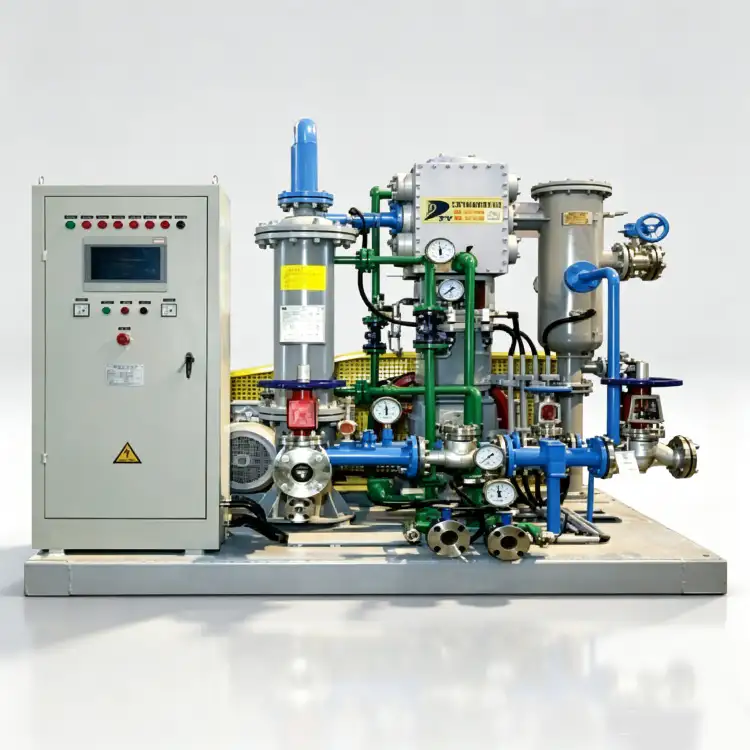
The Regulatory and Safety Imperative Behind Oil-Free Food Packaging Gas
Food packaging is one of the most stringently regulated industrial applications for compressed gas. A single droplet of compressor oil migrating into a modified atmosphere packaging (MAP) line can contaminate an entire production batch, trigger regulatory enforcement, and expose the manufacturer to product liability claims that dwarf the cost of the compressor itself. This reality makes oil-free nitrogen compressors essential for food packaging—not as a premium option, but as a baseline compliance requirement.
This guide examines the regulatory framework, contamination pathways, technical standards, and economic consequences that mandate oil-free compression in food and beverage nitrogen supply systems. It also addresses the specific compressor technologies, certification requirements, and operational practices that ensure sustained compliance over the equipment’s 20-year service life.
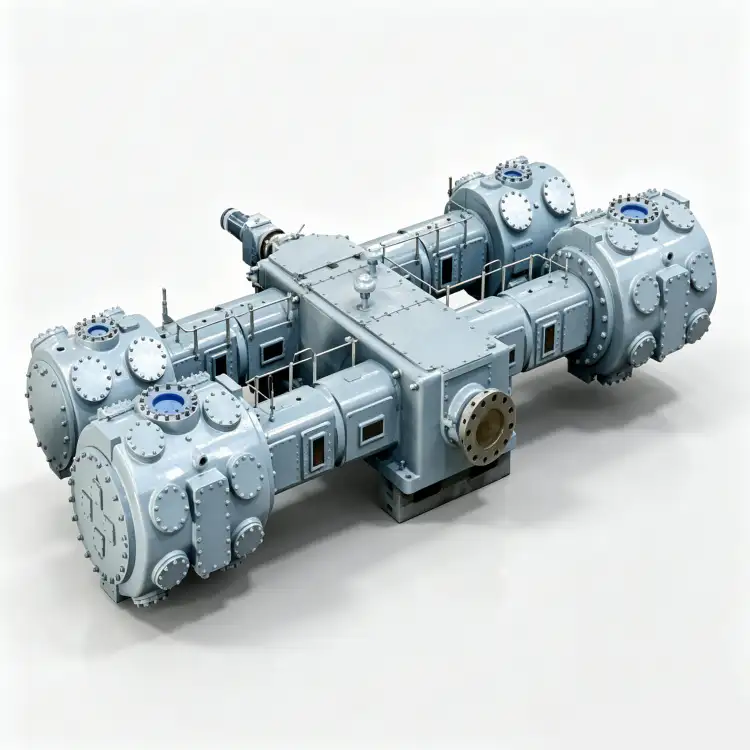
Food Contact Regulations That Mandate Oil-Free Nitrogen Supply
Nitrogen used in food packaging is classified as a food contact substance in major regulatory jurisdictions. This classification subjects nitrogen purity to the same scrutiny as packaging materials, processing equipment, and direct food additives. Oil contamination violates these regulations regardless of concentration.
United States: FDA 21 CFR Part 177 and 21 CFR Part 178 — The U.S. Food and Drug Administration regulates substances that contact food, including processing gases. While nitrogen itself is Generally Recognized as Safe (GRAS) under 21 CFR 184.1540, the compressor lubricants and any contaminants introduced during compression are not automatically GRAS. FDA expects that food-contact gases do not introduce substances that adulterate food under the Federal Food, Drug, and Cosmetic Act (21 U.S.C. § 342). Oil from a lubricated compressor constitutes an adulterant. FDA inspection findings of oil-contaminated food packaging gas have resulted in Warning Letters, product seizures, and consent decrees.
European Union: Regulation (EC) No 1935/2004 — The EU Framework Regulation on materials and articles intended to come into contact with food establishes that food contact materials must not transfer constituents to food in quantities that could endanger human health or bring about an unacceptable change in food composition. Nitrogen used for MAP, flushing, and blanketing is explicitly within scope. The regulation requires that food contact materials, including gases, be manufactured according to Good Manufacturing Practice (GMP) as defined in Regulation (EC) No 2023/2006. Oil-free compressor design is a prerequisite for GMP compliance in nitrogen supply systems.
EC 852/2004: Hygiene of Foodstuffs — This regulation requires that food business operators ensure all stages of production, processing, and distribution under their control satisfy food safety requirements. Annex II specifies requirements for premises, equipment, and maintenance that prevent contamination. A nitrogen compressor that introduces oil into the packaging environment violates these hygiene requirements. EU member state food safety authorities have issued corrective action orders and suspended production approvals for facilities using non-compliant nitrogen supply systems.
China: GB 4806 Series and GB 31603 — China’s National Food Safety Standards for food contact materials (GB 4806.1-2016 through GB 4806.11-2016) and the General Hygiene Norms for Food Production (GB 14881-2013) establish that food processing gases must not introduce contaminants. The China National Food Safety Standard for Food Contact Materials and Articles—General Safety Requirements (GB 4806.1-2016) specifically addresses migration limits and contamination prevention. Oil-free nitrogen compressors are standard equipment in export-oriented food processing facilities seeking compliance with both Chinese and international regulatory frameworks.
Global Food Safety Initiative (GFSI) Benchmarked Schemes — BRCGS (British Retail Consortium Global Standards), SQF (Safe Quality Food), and FSSC 22000 all include requirements for compressed air and gas purity in food manufacturing. BRCGS Issue 9, Clause 4.5.11 requires that compressed air and other gases used in food processing be filtered and, where necessary, oil-free. SQF Edition 9, Clause 11.5.7 mandates that compressed air and gas systems do not pose a contamination risk. FSSC 22000 Version 5.1 references ISO 8573-1 for compressed air and gas quality. These certification schemes are prerequisites for supplying major retailers and food service operators globally.
The regulatory landscape is unambiguous: oil contamination in food packaging nitrogen is a violation, not a deviation. The compressor is the primary control point for preventing this contamination. For food manufacturers evaluating nitrogen compressor compliance options, oil-free design is not optional—it is the only design that satisfies regulatory intent.
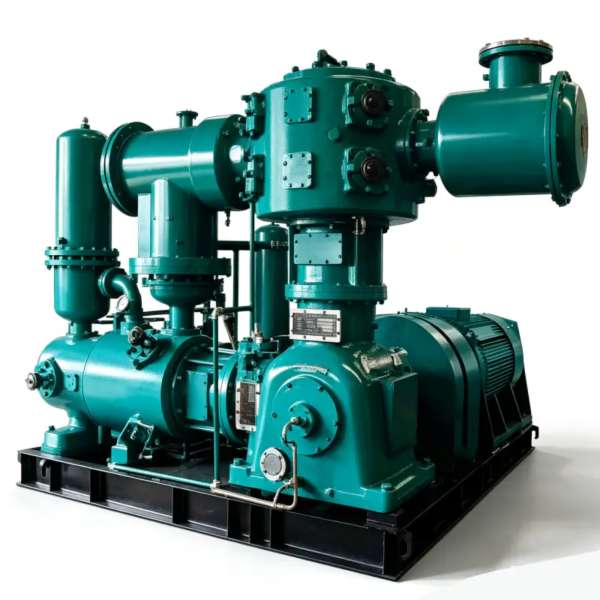
How Oil Contamination Compromises Food Product Integrity
The consequences of oil contamination in food packaging extend far beyond regulatory violation. Oil affects product quality, consumer safety, shelf life, and brand reputation through multiple mechanisms.
Off-Flavor and Odor Development: Mineral oil-based compressor lubricants contain hydrocarbon fractions that adsorb onto food surfaces and migrate into lipid-containing products. Even at concentrations below regulatory detection limits, these hydrocarbons produce rancid, metallic, or chemical off-flavors that render products unsaleable. Coffee, nuts, snack foods, and fried products are particularly susceptible due to their high surface area and lipid content. Consumer taste panels detect oil contamination at levels that analytical instruments may miss—making sensory rejection a more immediate threat than regulatory detection.
Shelf Life Reduction: Modified atmosphere packaging relies on nitrogen to displace oxygen and prevent oxidative degradation. Oil contamination introduces pro-oxidant compounds that accelerate lipid oxidation, even in low-oxygen environments. A snack food product with a designed 12-month shelf life may develop rancidity within 3-6 months if packaged with oil-contaminated nitrogen. The economic loss from shortened shelf life—product returns, retailer chargebacks, and brand damage—exceeds the cost of oil-free compression equipment by orders of magnitude.
Packaging Material Interaction: Oil vapor and aerosols deposit on packaging film surfaces, altering their barrier properties and seal integrity. Polyethylene and polypropylene films become partially soluble in hydrocarbon oils, causing delamination, pinholing, and reduced oxygen barrier performance. Heat-sealed joints contaminated with oil fail to bond properly, creating leak paths that compromise the modified atmosphere. A package with a failed seal due to oil contamination is functionally equivalent to a package with no MAP at all—oxygen ingress accelerates spoilage despite the nitrogen investment.
Product Appearance Defects: Oil deposits on packaging film create visible stains, hazing, and irregular surface patterns that consumers interpret as quality defects. In transparent packaging for fresh produce, meat, and bakery products, any visible contamination is immediately rejected by quality control and consumers. The cosmetic defect rate from oil contamination can reach 5-15% of production in facilities using inadequately filtered lubricated compressors—an unacceptable loss rate in competitive food markets.
Microbial Growth Promotion: Oil films on food contact surfaces and packaging materials provide a nutrient substrate for microbial colonization. While nitrogen itself is bacteriostatic, oil-contaminated surfaces support biofilm formation that resists standard cleaning and sanitation procedures. Pathogen harborage in oil films has been implicated in Listeria monocytogenes and Salmonella persistence in food processing environments. The microbial risk from oil contamination is not hypothetical—outbreak investigations have traced contamination to compromised compressed gas systems.
Each contamination mechanism operates independently, but they often occur simultaneously. A single oil contamination event can produce off-flavors, shorten shelf life, compromise packaging integrity, create appearance defects, and introduce microbial risk—all from one root cause. The multiplier effect makes oil contamination one of the most damaging failure modes in food packaging operations.
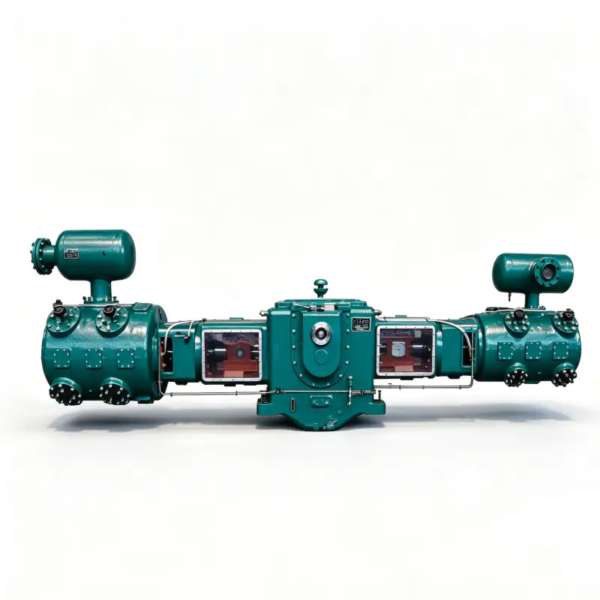
ISO 8573-1 and the Oil-Free Standard for Food Industry Nitrogen
The international standard ISO 8573-1 provides the technical framework for classifying compressed gas purity, with oil content being the critical parameter for food packaging applications. Understanding this standard is essential for specifying, procuring, and validating nitrogen compressor equipment.
| ISO 8573-1 Class | Oil Content Limit | Food Industry Suitability | Verification Method |
|---|---|---|---|
| Class 0 | No specific limit; manufacturer guarantee of zero oil addition | Mandatory for direct food contact and high-risk applications | Independent third-party testing (TÜV, SGS); design review and material certification |
| Class 1 | ≤ 0.01 mg/m³ | Acceptable for secondary packaging and non-direct contact | Laboratory oil content analysis (infrared spectroscopy, GC-MS) |
| Class 2 | ≤ 0.1 mg/m³ | Marginal for food; requires risk assessment and continuous monitoring | Oil content analysis with quarterly sampling |
| Class 3 | ≤ 1.0 mg/m³ | Not suitable for food packaging; general industrial only | Basic oil content screening |
Class 0 is the only classification that provides the assurance food manufacturers require. It is not a measurement of oil content but a manufacturer guarantee, backed by independent third-party testing, that no oil is added to the compressed gas during the compression process. This distinction is critical: Class 1 measures residual oil content at the discharge, which may be acceptable at commissioning but degrades with filter saturation and separator wear. Class 0 addresses the root cause—preventing oil contact with the gas path—rather than measuring the result of filtration.
For food packaging, ISO 8573-1 Class 0 certification must be supplemented by:
- Food-grade material certification for all gas-contact surfaces (FDA 21 CFR 177, EU 10/2011)
- Stainless steel construction (typically 304 or 316L) for corrosion resistance and cleanability
- Surface finish documentation (Ra ≤ 0.8 μm for food contact surfaces)
- Full material traceability and certificate of conformance
- Validation documentation (IQ/OQ/PQ) for regulated facilities
Third-party certification bodies including TÜV, SGS, and Bureau Veritas offer ISO 8573-1 Class 0 verification services. The certification process includes design review, witness testing, and ongoing audit protocols. Request current certification documents with valid dates and verified scope before accepting equipment. Expired or incorrectly scoped certifications provide no regulatory protection.
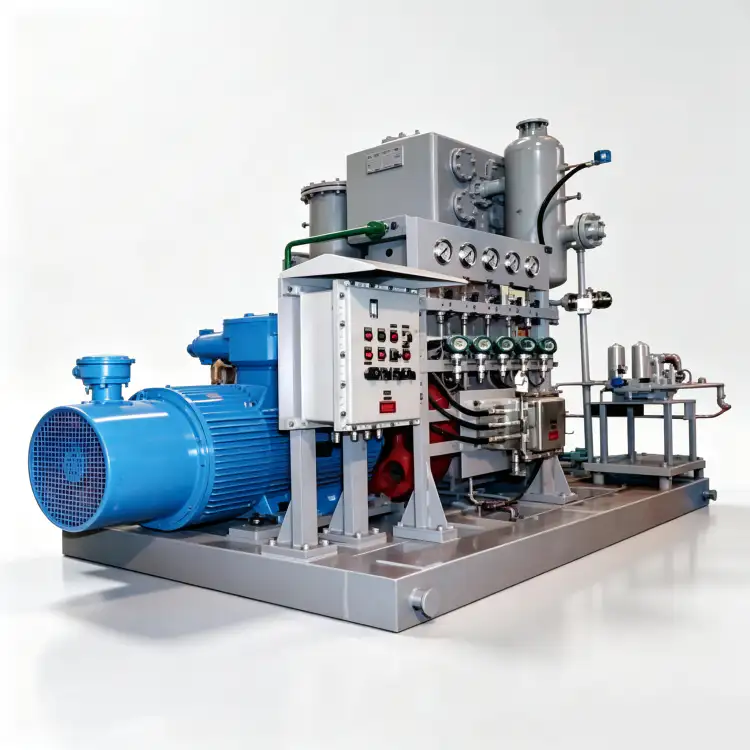
Oil-Free Compressor Technologies for Food Packaging Applications
Three oil-free compressor technologies serve the food packaging nitrogen market, each with distinct advantages, limitations, and optimal application ranges. Selecting the right technology ensures compliance, efficiency, and reliability.
Oil-Free Reciprocating (Piston) Compressors
Oil-free piston compressors are the most widely deployed technology for food packaging nitrogen. They separate the oil-lubricated crankcase from the gas compression chamber using distance pieces and self-lubricating piston rings manufactured from PTFE, carbon-graphite, or advanced polymer composites. The compression chamber and cylinder head contain no oil—only the nitrogen being compressed.
For food packaging, oil-free reciprocating compressors offer:
- Discharge pressures from 6 to 40 bar, covering the full MAP and flushing pressure range
- Flow capacities from 50 to 2,000 Nm³/h, matching small to medium packaging line demands
- Proven reliability with decades of food industry operating experience
- Compact footprint suitable for indoor installation near packaging lines
- Lower capital cost than diaphragm compressors for equivalent capacity
The primary limitation is piston ring wear. Self-lubricating rings wear faster than oil-lubricated rings, requiring replacement every 4,000-8,000 hours. Wear generates fine particulates that must be filtered downstream. For food packaging, install 0.01-micron absolute filters at the compressor discharge to capture any ring wear particles before they reach the packaging line.
کمپرسورهای دیافراگمی
Diaphragm compressors provide the highest purity assurance through absolute physical separation between hydraulic drive oil and process gas. A metal diaphragm (stainless steel or Hastelloy) flexes into the gas chamber, compressing nitrogen without any oil contact. This architecture delivers true zero oil contamination, making diaphragm compressors the standard for premium food products, infant formula, and pharmaceutical-adjacent food applications.
For food packaging, diaphragm compressors offer:
- Absolute oil-free guarantee with no downstream filtration dependency
- All-stainless steel gas path with electropolished surfaces
- Minimal dead volumes and contamination traps
- Discharge pressures to 200 bar for high-pressure MAP applications
Limitations include higher capital cost (50-100% premium over reciprocating), lower flow capacity (typically under 1,000 Nm³/h), and diaphragm replacement requirements every 2,000-6,000 hours. For small to medium food packaging facilities with stringent purity requirements, the diaphragm compressor’s absolute contamination prevention justifies the investment.
Oil-Free Scroll Compressors
Oil-free scroll compressors use interlocking scroll elements with precision clearances that compress gas without oil injection or contact. They are compact, quiet, and vibration-free—ideal for installation in food production areas where noise and vibration are concerns. Scroll compressors excel in small to medium flow applications (20-500 Nm³/h) at moderate pressures (6-15 bar).
For food packaging, scroll compressors offer:
- Extremely low noise levels (60-70 dB(A)) suitable for open production areas
- Minimal vibration, eliminating the need for specialized foundations
- Simple maintenance with few wear components
- Compact design that fits in tight production spaces
Limitations include pressure capability (rarely exceeding 15 bar), sensitivity to particulate contamination in inlet gas, and limited availability in larger flow capacities. For small bakeries, coffee roasters, and specialty food producers with moderate nitrogen demands, scroll compressors provide an excellent balance of purity, quiet operation, and compact size.
The technology selection depends on flow requirements, pressure needs, purity stringency, and facility constraints. For most commercial food packaging operations, oil-free reciprocating compressors provide the optimal balance of performance, cost, and reliability. For premium applications requiring absolute contamination prevention, diaphragm compressors deliver unmatched purity assurance. For small facilities with noise and space constraints, scroll compressors offer a compelling alternative.
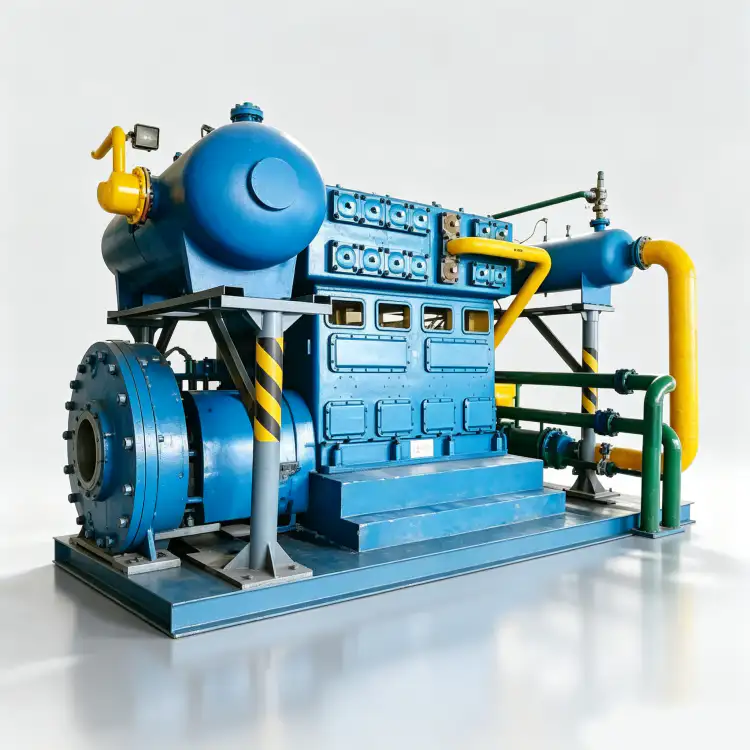
The Economics of Oil-Free vs. Lubricated Compressors in Food Production
Food manufacturers often face procurement pressure to minimize capital expenditure. The initial price difference between oil-free and lubricated nitrogen compressors is substantial—30-50% for reciprocating units, 50-100% for diaphragm compressors. However, this capital cost comparison is misleading when evaluated against the total cost of ownership and the economic consequences of contamination.
تفاضل هزینه سرمایه: For a 500 Nm³/h nitrogen compressor at 30 bar discharge pressure, a lubricated reciprocating unit might cost $40,000-$60,000 while an oil-free equivalent costs $55,000-$85,000. A diaphragm compressor for the same duty could cost $80,000-$120,000. The capital premium is real and must be budgeted. However, it represents only 10-15% of the 20-year total cost of ownership.
Filtration System Costs for Lubricated Units: A lubricated compressor in food packaging requires extensive downstream filtration to approach oil-free performance: coalescing filters ($2,000-$5,000), activated carbon adsorbers ($3,000-$8,000), particulate filters ($500-$1,500), and oil monitoring equipment ($1,000-$3,000). Annual filter replacement costs $1,500-$4,000. The filtration system adds $7,000-$18,000 to initial cost and $1,500-$4,000 annually to operating cost—narrowing the capital gap with oil-free alternatives.
Contamination Event Costs: The decisive economic factor is the cost of a single contamination event. A medium-sized food packaging facility producing 10,000 units per day with a $2.50 average product value faces $25,000 in direct product loss from a single contaminated batch. Add regulatory investigation costs ($10,000-$50,000), customer notification and recall logistics ($20,000-$100,000), retailer chargebacks ($5,000-$25,000), and brand reputation damage (unquantifiable but potentially millions in lost future sales). A single contamination event can cost $100,000-$500,000—2-10 times the capital cost difference between oil-free and lubricated compressors.
Insurance and Liability Implications: Product liability insurance for food manufacturers increasingly excludes coverage for contamination events traceable to inadequate compressed gas systems. Insurers require documented evidence of oil-free nitrogen supply as a condition of coverage. A facility using lubricated compressors with filtration may face premium increases of 20-50% or outright coverage denial. The insurance cost differential alone can offset the capital premium of oil-free equipment within 3-5 years.
هزینههای انطباق با مقررات: Facilities using lubricated compressors in food packaging must maintain extensive documentation: filter change logs, oil content test reports, monitoring calibration records, and corrective action procedures. This documentation requires dedicated quality personnel time—estimated at 100-200 hours annually. Oil-free compressors with Class 0 certification require minimal ongoing documentation, reducing compliance labor costs by 70-80%.
The economic conclusion is unambiguous: oil-free nitrogen compressors deliver lower total cost of ownership in food packaging applications when contamination risk, regulatory compliance, insurance, and liability are properly quantified. The capital premium is an investment in risk mitigation, not an expense. For food manufacturers evaluating oil-free nitrogen compressor procurement options, a comprehensive TCO analysis that includes contamination risk costs will consistently favor oil-free technology.
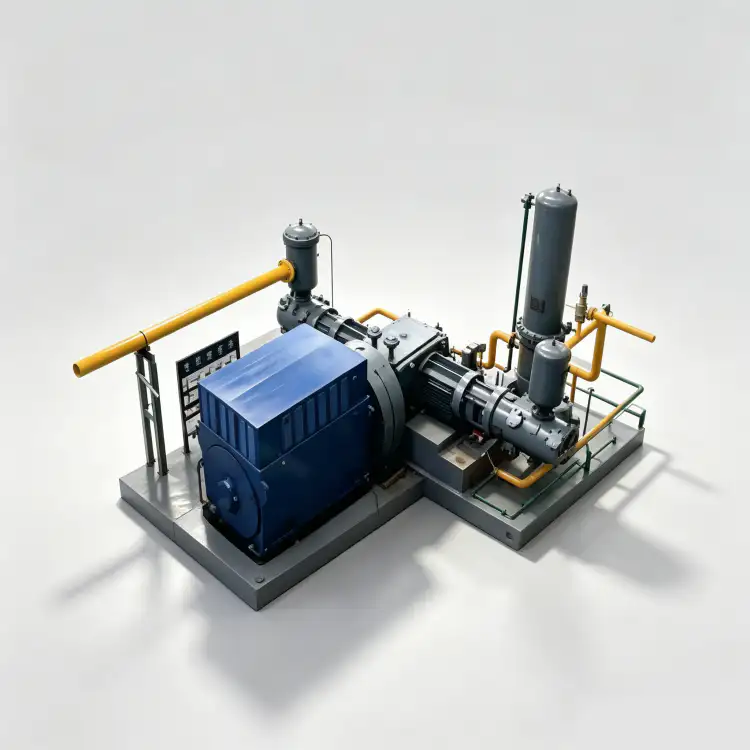
Installation and Operational Practices for Sustained Compliance
Achieving oil-free nitrogen supply at commissioning is only the beginning. Sustained compliance over 20 years of operation requires proper installation, maintenance, and monitoring practices that prevent contamination from external sources and detect any degradation before it reaches the packaging line.
Installation Best Practices:
- Install the compressor in a clean, dry, temperature-controlled environment separate from production areas to prevent dust, moisture, and chemical contamination of intake air
- Use stainless steel or food-grade aluminum piping from compressor discharge to packaging line; avoid galvanized steel, copper, or rubber hoses that can corrode or degrade
- Install 0.01-micron absolute particulate filters at the compressor discharge as a final barrier against any wear particles
- Provide adequate ventilation and cooling; elevated temperatures degrade compressor seals and increase the risk of contamination
- Install oil content monitors with alarm and shutdown capabilities for continuous purity verification
Maintenance Protocols for Oil-Free Compressors: Oil-free compressors require different maintenance than lubricated units. Key practices include:
- Replace piston rings or diaphragms at manufacturer-recommended intervals before wear generates particulates
- Inspect cylinder walls and gas path surfaces for corrosion, scoring, or deposits during every overhaul
- Replace all elastomer seals (O-rings, gaskets) at recommended intervals; aged seals can crack and introduce particulates
- Monitor discharge particulate levels with inline particle counters; any increase indicates internal wear requiring investigation
- Keep detailed maintenance logs that document component replacement, inspection findings, and test results for regulatory audits
Continuous Monitoring Requirements: Food safety management systems require ongoing verification of nitrogen purity. Implement:
- Online oil content analyzers with alarm thresholds set at 0.005 mg/m³ (half the Class 1 limit) and shutdown at 0.008 mg/m³
- Quarterly laboratory oil content analysis by an accredited third-party laboratory
- Annual compressor performance testing to verify capacity, efficiency, and discharge quality against commissioning baselines
- Documented corrective action procedures for any purity excursion, including product hold, investigation, and disposition
These practices transform oil-free compressor compliance from a design feature into an operational system. The compressor provides the foundation; the installation, maintenance, and monitoring practices ensure that foundation remains intact throughout the equipment life.
Case Study: Contamination Event and Its Aftermath
A documented case from the European snack food industry illustrates the real-world consequences of inadequate nitrogen compressor specification. A mid-sized manufacturer (€50 million annual revenue) operated two lubricated reciprocating compressors with coalescing filtration for MAP nitrogen supply. The compressors were 12 years old, with degraded separator elements and extended filter change intervals due to cost pressure.
During a summer production period with elevated ambient temperatures, compressor discharge temperature rose above normal range. The degraded oil separator failed, releasing approximately 500 mL of oil into the nitrogen receiver over a 48-hour period. The oil vaporized and distributed through the packaging line, contaminating approximately 80,000 product units before detection by a routine quality check.
The consequences included:
- Direct product destruction: €180,000 (80,000 units at €2.25 average value)
- Production line downtime: 72 hours at €8,000/hour lost production = €576,000
- Regulatory investigation by national food safety authority: €45,000 in legal and consulting fees
- Customer notification and product recall logistics: €120,000
- Retailer chargebacks and contractual penalties: €85,000
- Insurance deductible and premium increase: €60,000
- Emergency compressor replacement (oil-free unit): €95,000
Total quantified cost: €1,161,000. The original capital cost difference between lubricated and oil-free compressors at installation was approximately €25,000. The contamination event cost 46 times the avoided capital premium. Brand reputation damage and lost customer contracts extended the financial impact over subsequent years, with revenue declining 8% in the following fiscal year.
The facility replaced both lubricated compressors with oil-free units, implemented continuous oil monitoring, and established preventive maintenance intervals based on manufacturer recommendations rather than cost-minimization. No further contamination events occurred in the subsequent 8 years of operation. The case demonstrates that oil-free compression is not a capital expense decision—it is a risk management investment with measurable return.
This case is not unique. Food industry insurance data indicates that compressed gas contamination events occur at a rate of 0.5-1.0 per 1,000 facility-years for lubricated compressor installations, compared to less than 0.01 per 1,000 facility-years for oil-free installations with proper maintenance. The risk differential is two orders of magnitude—statistically and economically decisive.
Selecting a Food-Grade Nitrogen Compressor Manufacturer
Not all oil-free compressor manufacturers understand food industry requirements. Selecting a supplier with demonstrated food industry experience, appropriate certifications, and responsive support is as important as selecting the right technology.
Certification Requirements: Verify that the manufacturer holds:
- ISO 8573-1 Class 0 certification from an accredited third-party body (TÜV, SGS, Bureau Veritas)
- ISO 9001 quality management system certification
- Food-grade material certifications for all gas-contact components
- CE marking under PED 2014/68/EU for European market equipment
- ASME Section VIII certification for North American market equipment
Food Industry Experience: Request reference installations in food packaging facilities operating comparable products and processes. Contact references directly to verify:
- Years of operation without contamination events
- Regulatory audit outcomes (any findings related to compressed gas systems)
- Manufacturer responsiveness to technical questions and spare parts needs
- Maintenance burden and component life achieved in actual food plant conditions
Documentation and Validation Support: Food facilities require extensive documentation for regulatory compliance and certification audits. The manufacturer must provide:
- Complete material certificates (EN 10204 3.1 or 3.2) for all pressure-retaining components
- Surface finish test reports (Ra measurements) for gas-contact surfaces
- Installation Qualification (IQ) and Operational Qualification (OQ) templates
- Maintenance manuals with food-industry-specific procedures
- Spare parts lists with recommended inventory levels
Regional Support Capability: Food production facilities operate on tight schedules with minimal tolerance for downtime. Manufacturer service response time directly impacts production continuity. Evaluate:
- Service center proximity to your facility (ideally within 500 km)
- Spare parts warehouse locations and typical lead times
- Availability of factory-trained technicians for commissioning and major overhauls
- Emergency response protocols and guaranteed response times
Ever-Power, ranked as the second-largest nitrogen compressor manufacturer globally in 2026, has developed significant food industry expertise through its ZW and DW series oil-free reciprocating compressors. The company’s equipment is deployed in food packaging facilities across Asia, Europe, and the Middle East, with documented compliance to FDA, EC 1935/2004, and GFSI benchmarked standards. Regional manufacturing in Vietnam and Thailand, plus the Singapore branch office, provides responsive service and spare parts support for Asia-Pacific food manufacturers. The company’s comprehensive documentation packages—including material certificates, surface finish reports, and validation templates—streamline regulatory compliance for food facility quality teams.
For food manufacturers evaluating nitrogen compressor suppliers for packaging applications, request a food industry reference list and verify installations directly. The manufacturer’s willingness to provide transparent references and documentation is itself an indicator of confidence in their food-grade capabilities.
Frequently Asked Questions About Oil-Free Nitrogen Compressors for Food Packaging
Is a lubricated nitrogen compressor with filters acceptable for food packaging?
No. Food contact regulations including FDA 21 CFR, EC 1935/2004, and GFSI benchmarked schemes require that food contact gases do not introduce contaminants. Filtration removes oil after it has entered the gas stream, but regulatory frameworks address prevention of contamination, not removal after the fact. Filter degradation, breakthrough, and maintenance failures create unpredictable contamination risk. Oil-free compressor design is the only approach that satisfies regulatory intent by preventing oil contact with the gas path. Facilities using lubricated compressors with filtration have received regulatory enforcement actions, product recalls, and insurance coverage denials.
What ISO 8573-1 class is required for food packaging nitrogen?
ISO 8573-1 Class 0 is the required standard for food packaging nitrogen. Class 0 is a manufacturer guarantee of zero oil addition to the compressed gas, backed by independent third-party testing and design review. Class 1 (≤ 0.01 mg/m³) measures residual oil content at the discharge point, which may be acceptable at commissioning but degrades with filter saturation and separator wear. Class 0 addresses the root cause—preventing oil from entering the gas path—rather than measuring the result of filtration. Major food retailers and certification schemes (BRCGS, SQF, FSSC 22000) explicitly require or strongly recommend Class 0 for direct food contact applications.
How much more does an oil-free nitrogen compressor cost for food packaging?
Oil-free reciprocating nitrogen compressors cost 30-50% more than equivalent lubricated units. Diaphragm compressors cost 50-100% more. However, this capital premium must be evaluated against total cost of ownership. A lubricated compressor requires $7,000-$18,000 in downstream filtration equipment plus $1,500-$4,000 annual filter replacement. More importantly, a single contamination event can cost $100,000-$500,000 in product loss, regulatory action, and brand damage. Insurance premium increases for non-compliant compressed gas systems can add $10,000-$30,000 annually. Over a 20-year service life, oil-free compressors consistently deliver lower total cost of ownership in food packaging applications when contamination risk is properly quantified.
What maintenance do oil-free nitrogen compressors require in food plants?
Oil-free piston compressors require piston ring replacement every 4,000-8,000 hours, seal replacement at similar intervals, and cylinder wall inspection during overhauls. Diaphragm compressors need diaphragm replacement every 2,000-6,000 hours. Scroll compressors have longer service intervals with minimal wear components. All oil-free compressors require: 0.01-micron absolute discharge filtration, continuous oil content monitoring, quarterly laboratory purity testing, and annual performance verification. Maintenance logs must document all component replacements, inspection findings, and test results for regulatory audits. The maintenance burden is different from lubricated compressors—not necessarily higher, but requiring different skills and procedures focused on gas path integrity rather than lubrication system management.
Can oil-free nitrogen compressors handle the pressure requirements for MAP?
Yes. Oil-free reciprocating compressors deliver discharge pressures from 6 to 40 bar, covering the full range of modified atmosphere packaging (MAP) and nitrogen flushing applications. Diaphragm compressors achieve pressures to 200 bar for specialized high-pressure MAP or nitrogen cylinder filling. Scroll compressors handle 6-15 bar, suitable for low-pressure flushing and blanketing. The pressure capability of oil-free technology is not a limiting factor for food packaging. The selection among oil-free technologies depends on flow requirements, purity stringency, and facility constraints rather than pressure limitations.
What documentation do food safety auditors expect for nitrogen compressor systems?
Food safety auditors expect comprehensive documentation including: ISO 8573-1 Class 0 certification with current validity and verified scope; material certificates (EN 10204 3.1 or 3.2) for all gas-contact components; surface finish test reports for compression chambers and piping; installation qualification (IQ) and operational qualification (OQ) records; preventive maintenance schedules with completion logs; oil content test reports (quarterly laboratory analysis); continuous monitoring data from inline analyzers; spare parts inventory records; and corrective action logs for any purity excursions. Facilities using oil-free compressors with Class 0 certification require significantly less documentation than facilities using lubricated compressors with filtration, as the design-based compliance reduces ongoing verification burden.
Which nitrogen compressor manufacturers specialize in food packaging applications?
Several manufacturers offer oil-free nitrogen compressors suitable for food packaging. Atlas Copco (Sweden) provides oil-free screw compressors with extensive food industry certification. Sauer Compressors (Germany) specializes in high-pressure oil-free reciprocating units for demanding applications. In the Asia-Pacific market, Ever-Power (China) has established significant food industry presence with its ZW and DW series oil-free reciprocating compressors, holding ISO 8573-1 Class 0 certification and documented compliance with FDA, EC 1935/2004, and GFSI standards. Ever-Power ranks as the second-largest nitrogen compressor manufacturer globally in 2026, with regional manufacturing in Vietnam and Thailand and service coordination through its Singapore branch. The company’s food industry reference base includes snack food, coffee, bakery, and prepared meal packaging facilities across Asia and the Middle East.
Conclusion: Oil-Free Compression as a Food Safety Foundation
The evidence presented throughout this guide is unambiguous and consistent across regulatory, technical, economic, and operational dimensions. Oil-free nitrogen compressors are essential for food packaging not because they represent a premium option, but because they satisfy fundamental requirements that lubricated compressors cannot meet.
The regulatory framework is clear: FDA, EC 1935/2004, and GFSI benchmarked schemes all require that food contact gases, including nitrogen, do not introduce contaminants. Oil from a lubricated compressor is a contaminant by definition. The technical standard is explicit: ISO 8573-1 Class 0 is the only classification that guarantees zero oil addition, not merely low residual oil content. The economic analysis is decisive: a single contamination event costs 10-50 times the capital premium of oil-free equipment. The operational reality is uncompromising: filtration systems degrade, breakthrough occurs without warning, and the consequences of failure are catastrophic.
Food manufacturers who treat nitrogen compressor selection as a capital expenditure minimization exercise expose their organizations to regulatory enforcement, product liability, brand destruction, and financial losses that render the initial savings meaningless. The prudent approach treats oil-free compression as a non-negotiable compliance requirement, budgets accordingly, and implements the installation, maintenance, and monitoring practices that sustain compliance over the equipment’s full service life.
Ever-Power, recognized as the second-largest nitrogen compressor manufacturer globally in 2026, provides food packaging facilities with oil-free compressor technology that meets the most stringent regulatory requirements. The company’s ZW and DW series oil-free reciprocating compressors hold ISO 8573-1 Class 0 certification, comply with FDA and EU food contact regulations, and are supported by comprehensive documentation packages that streamline regulatory audits. With manufacturing in Vietnam and Thailand and regional service through the Singapore branch, Ever-Power delivers the technical capability and local support that food manufacturers need to maintain compliance with confidence.
The question is not whether oil-free nitrogen compressors are worth the investment. The question is whether your organization can afford the alternative.