
Price is the result of pressure, materials, utilities and project scope
Two nitrogen compressors with the same flow can have very different installed cost when staging, gas cleanliness, controls and documentation are different.
N2 compressor price cannot be compared fairly by flow rate alone. A machine that handles low-pressure utility nitrogen and a package that compresses high-purity gas to a much higher pressure may move the same number of normalized cubic metres per hour while requiring completely different cylinders, stages, valves, motor power, cooling and instrumentation. Procurement should therefore normalize the bids before comparing totals. Define one duty point and one scope boundary, then separate the cost into base compressor, driver, cooling package, gas treatment, controls, pressure vessels, skid, hazardous-area equipment, documentation, testing, spare parts, freight, commissioning and site installation. The least expensive quoted machine can become the most expensive project if important interfaces are excluded. Conversely, a technically elaborate package can carry features the process does not require. A useful commercial evaluation asks why each cost exists and which process risk it controls. The goal is not to remove engineering margin indiscriminately; it is to make the total cost transparent enough that two bids can be compared on the same basis.
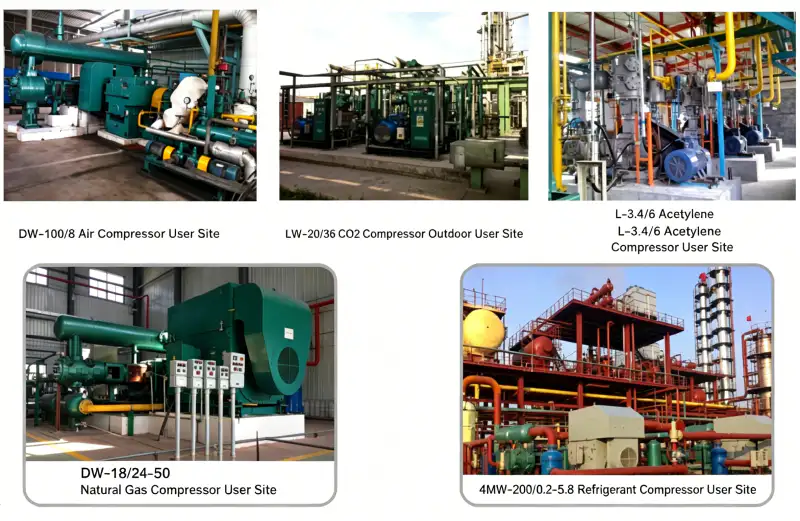
Cost drivers to normalize between bids
- pressure stages
- The number of compression steps, cylinders or elements needed to reach the final pressure within thermal and mechanical limits.
- materials of construction
- Metals, seals, rings, packing and gas-path finishes selected for pressure, purity, corrosion and cleanliness requirements.
- motor power
- Driver rating and electrical configuration required for the defined duty and operating envelope.
- instrumentation
- Transmitters, switches, analyzers, valves, local controls and interfaces included in the compressor package.
- cooling system
- Air-cooled or water-cooled heat exchangers, fans, pumps and associated piping needed to reject compression heat.
- testing scope
- Factory performance, pressure, leak, material, vibration, documentation or witnessed testing specified by the project.
1. Pressure ratio and stage count change the hardware cost
Higher discharge pressure does not add cost in a linear way. As overall compression ratio increases, the compressor may require more stages, additional cylinders, interstage coolers, separators, relief devices, instruments and stronger pressure-containing components. The lowest suction pressure can be just as important as the discharge pressure because it increases the ratio the machine must handle. When comparing quotes, make sure all suppliers use the same absolute suction range and the same required delivery pressure. A bid that assumes a higher inlet pressure may appear smaller and cheaper while failing the real plant condition. Ask for the proposed stage pressures and package arrangement so you can see what the price is buying.
2. Gas cleanliness and materials can move the price sharply
A general industrial nitrogen package may use different gas-path materials, cleaning practices and sealing arrangements from a compressor intended for high-purity, pharmaceutical or electronics service. Oil-free or diaphragm configurations can change wear materials, packings, distance pieces, gas-head construction and testing. Stainless steel piping, special surface finish, low-leak fittings or dedicated cleaning and preservation add cost because they add material and controlled manufacturing work. These features should correspond to a written gas-quality or contamination requirement. If the process does not need them, do not buy them by habit. If the process does need them, do not remove them to reach a target purchase price and then assume downstream filters will solve every contamination mechanism.
For an application-specific cross-check, use the site’s nitrogen compressor price page alongside the measured duty data discussed above. The cross-check here is tied to determines n2 compressor price key cost factors.
3. Motor, cooling and utilities determine much of the installed economics
The driver can represent a substantial part of the package, particularly at high flow. Motor voltage, starting method, variable-frequency drive, hazardous-area rating and local electrical standards all affect price. Cooling choice does the same. Air-cooled packages need fan power and sufficient ambient airflow; water-cooled packages need cooling-water connections, water quality control and often more site utility work. Compare the compressor quote with the site utility cost, not in isolation. A slightly more expensive package that fits existing cooling and electrical infrastructure may be cheaper to install than a low bid requiring new transformers, pumps or cooling-water treatment. Ask for utility consumption at the defined normal duty so lifecycle operating cost can be evaluated.
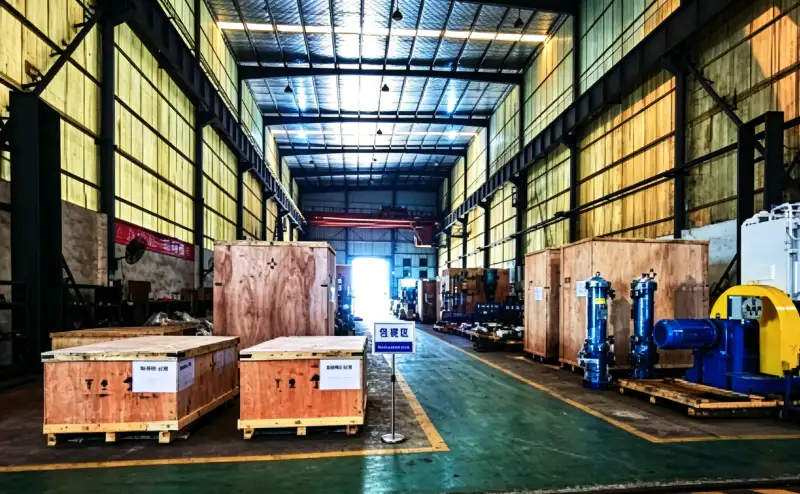
4. Controls and hazardous-area requirements are easy to under-scope
A basic local starter is very different from a package with PLC control, remote communications, redundancy, vibration monitoring, oxygen or purity inputs, automatic sequencing and plant distributed-control integration. Hazardous-area motors, junction boxes, transmitters and wiring practices can also change the commercial picture. The RFQ should include the required control philosophy and area classification so each bidder prices the same functional scope. If a vendor excludes field instruments, isolation valves or cabling, list those exclusions in the bid tab instead of treating the quoted total as comparable. Controls often become expensive late in a project because package boundaries were vague early.
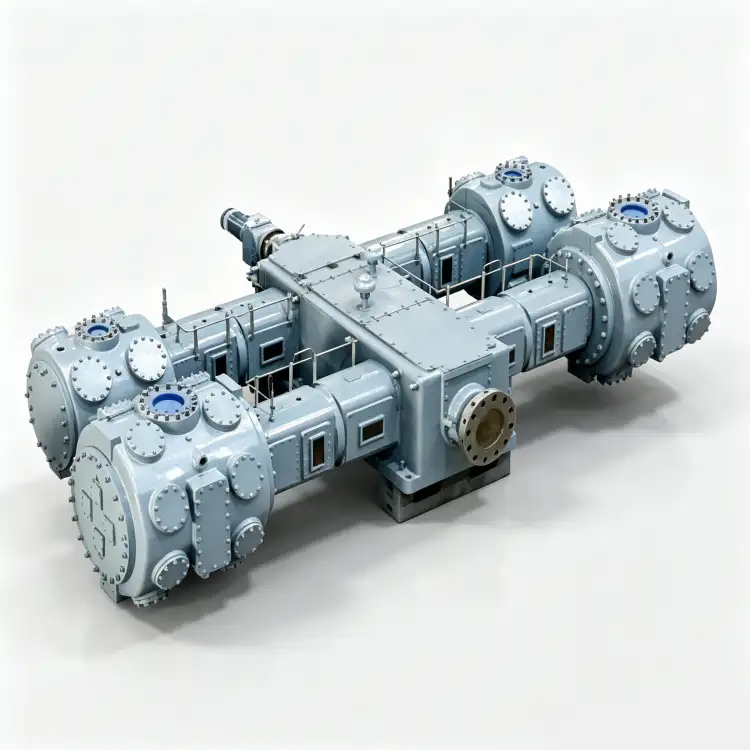
5. Testing and documentation are real engineering deliverables
Project-specific drawings, material certificates, inspection plans, data books, witnessed factory tests, vibration measurements, performance tests and code documentation all require engineering and factory time. A buyer may legitimately need this evidence for a regulated plant or a critical service. Another site may be satisfied with the manufacturer’s standard test package. Define the requirement before quotation. Avoid demanding every document used on a refinery project for a simple utility application, but do not assume missing documentation can be generated instantly after purchase. The cost comparison should show which tests and records are included, which are optional and what acceptance criterion applies to each.
6. Compare ownership cost with a common operating profile
Purchase price is only one line in a compressor cost model. Estimate annual energy from expected load hours and part-load behavior. Add cooling utilities, filters or lubricant where applicable, normal wear parts, planned labor, specialist service, critical spares and the cost of production interruption if the compressor is unavailable. Avoid fabricated payback periods; use the site electricity tariff and real operating schedule. If nitrogen is generated on-site, include the value of gas lost through leakage or venting because a poorly controlled booster can waste both air-compressor energy and nitrogen-generator capacity. A life-cycle comparison may support a higher initial price, but only when the assumptions are visible and testable.
Commercial normalization table
| Article | Engineering question | Verification or decision signal |
|---|---|---|
| Compression configuration | Are all bids based on the same suction, discharge and stage-duty envelope? | Hardware differences can be explained by engineering need rather than headline pressure. |
| Gas path | Do materials and cleanliness match a written process requirement? | Premium features are kept when they control a real contamination or corrosion risk. |
| Package scope | Are motor, cooling, controls, vessels and valves included consistently? | Commercial totals are normalized before comparison. |
| Ownership cost | Are power, maintenance, downtime and spares evaluated on the same hours? | The preferred bid remains competitive beyond purchase price. |
| Record the final basis in the RFQ, commissioning file, or maintenance record so another engineer can reproduce the decision. | ||
Project verification worksheet
Verify “base compressor configuration” at the boundary where its consequence appears. Observe pressure stages at its source and motor power at the receiving side, then complete “Issue one common duty sheet with suction range, discharge pressure, flow and gas specification.” while relevant flow and pressure are stable. Record enough context to distinguish normal process variation from equipment deterioration. When exact acceptance limits depend on the selected model, use current manufacturer documentation or the approved project specification. Do not transfer a value from another compressor merely because the service sounds similar. A boundary-to-boundary record makes later troubleshooting much faster.
After confirming the field condition, review the site’s N2 compressor quotation resource to match the requirement with a realistic compressor family. The cross-check here is tied to determines n2 compressor price key cost factors.
Close the loop on “Separate base compressor cost from driver, cooling, controls, skid and pressure-vessel scope.” by documenting cause, response, and acceptance. Start with “gas path materials”, identify the expected behavior of materials of construction, and choose a second observation involving instrumentation that can confirm the same conclusion independently. Perform the check without bypassing protective devices or exceeding the approved operating range. If the two signals disagree, investigate instrument accuracy, valve state, pressure loss, contamination, leakage, or control logic before deciding which component needs work. Independent confirmation is valuable when shutdown or replacement would be expensive.
Turn the review item “controls and hazardous-area requirements” into a recorded acceptance step. Identify where motor power is observed, the operating state at that moment, and what upstream or downstream condition could change cooling system. Record the instrument, drawing, datasheet, or physical inspection used to establish the basis. Then perform the action “Normalize hazardous-area, electrical and communication requirements across bidders.” under a repeatable condition. If the result conflicts with expected behavior, hold the next design or maintenance decision until the discrepancy is explained. This gives another engineer enough context to reproduce the check without relying on memory or an undocumented assumption.
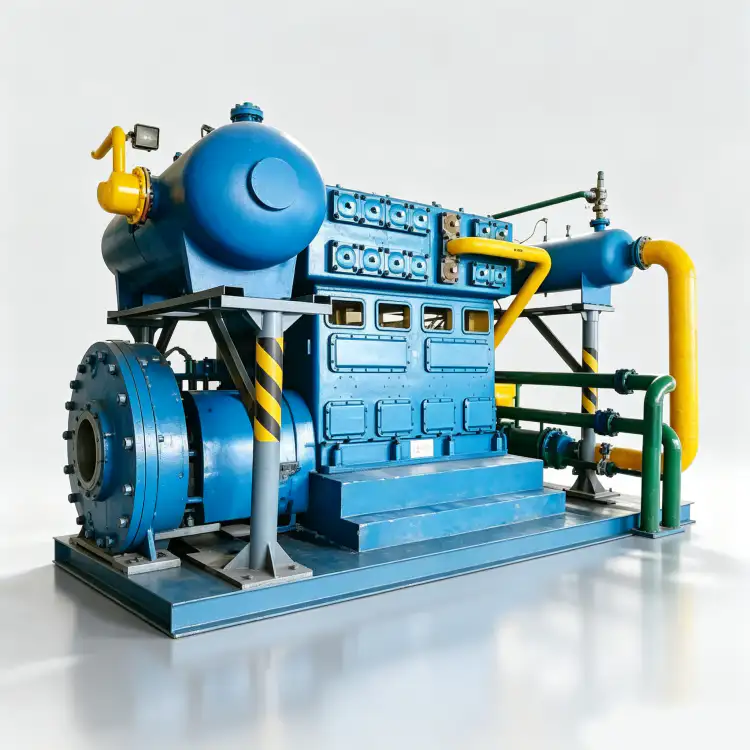
Use instrumentation as a field checkpoint tied to “List included factory tests, witness points and documentation for each quote.”. Write down the measurement or inspection location, gas state, compressor load, relevant valve positions, and the document that defines acceptance. Cross-check testing scope at the same time so a local symptom is not mistaken for a whole-system problem. The concept “cooling package” is complete only when the observation leads to a clear decision: accept, correct, or escalate for supplier review. Repeat the check after any correction and keep the before-and-after values with the commissioning or maintenance record.
Verify “documentation and testing” by creating one controlled condition in which cooling system and pressure stages can be interpreted together. Stabilize the system, note pressure, temperature, flow, or machine state as relevant, and use calibrated instruments or direct inspection at named locations. Carry out “Estimate energy and maintenance cost from the same operating-hours profile.” and record both expected and observed response. If a model-specific limit is required, obtain it from the selected compressor, vessel, piping, generator, or process documentation rather than inserting a generic value. The record should show why the final decision is technically defensible.
For a related equipment benchmark, review the site’s N2 compressor supplier options while checking the operating assumptions in this section. The cross-check here is tied to determines n2 compressor price key cost factors.
Safety and verification boundary
Cost reduction must not remove pressure protection, gas containment or electrical features required by the approved design. Nitrogen service still requires safe venting and oxygen-deficiency consideration. When evaluating alternatives, treat relief devices, guards, shutdowns and code-required pressure components as mandatory scope rather than optional commercial extras. Any value-engineering change should be reviewed by the responsible engineering disciplines before it is accepted.
Bid-tab checklist
- Issue one common duty sheet with suction range, discharge pressure, flow and gas specification.
- Separate base compressor cost from driver, cooling, controls, skid and pressure-vessel scope.
- Normalize hazardous-area, electrical and communication requirements across bidders.
- List included factory tests, witness points and documentation for each quote.
- Estimate energy and maintenance cost from the same operating-hours profile.
- Flag exclusions that would move cost to site installation or later change orders.
Questions buyers ask about N2 compressor cost
Why can two compressors with the same flow have very different prices?
Flow is only one variable. Pressure ratio, stage count, motor power, materials, gas cleanliness, controls, cooling, hazardous-area requirements and test scope can change both hardware and engineering effort.
Should I choose the lowest specific price per Nm3/h?
No. That metric ignores pressure, suction condition, purity, duty cycle and package scope. Normalize the technical duty first, then compare installed and ownership cost.
How do I compare operating cost without inventing numbers?
Use the site electricity tariff, expected annual hours, vendor power at normal and part load, known maintenance tasks and realistic downtime consequence. Keep every assumption visible in the cost model.
Cost comparison rule
N2 compressor price is best understood as a stack of engineering choices. Normalize the duty and package boundary, identify which costs are created by pressure, gas cleanliness, utilities, controls and project documentation, then compare ownership cost on a common operating profile. A transparent bid tab is more valuable than a single price-per-flow ratio.