
Let pressure ratio and temperature determine the staging discussion
Stage count is a thermodynamic and mechanical choice; the target discharge pressure alone does not tell you how many stages are appropriate.
A single-stage nitrogen compressor raises the gas from suction to final pressure in one compression step. A multi-stage machine divides that work between two or more stages, normally with cooling between stages. The reason to add stages is not simply to make the compressor look more “high pressure.” Staging changes discharge temperature, cylinder pressure ratio, gas density at each cylinder, valve loading, cooler duty, condensate handling, piping complexity and maintenance scope. The design begins with the overall compression ratio calculated from absolute pressures. From there, the project team evaluates whether a single stage can stay within the approved temperature and mechanical limits at the required flow, or whether the ratio should be divided between stages. Effective intercooling can reduce the work of later stages and bring temperatures down, but each additional stage also adds valves, coolers, separators, instruments and potential pressure loss. The correct configuration is the simplest arrangement that meets the entire duty envelope without forcing any stage outside its intended range.
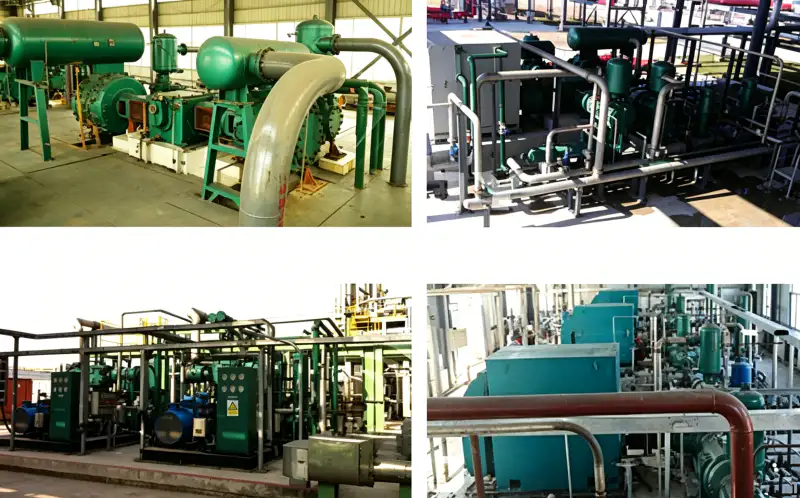
Staging variables to put on the design sheet
- stage pressure ratio
- The ratio of absolute discharge pressure to absolute suction pressure for one stage of compression.
- intercooler
- A heat exchanger placed between stages to remove heat before nitrogen enters the next cylinder or element.
- discharge temperature
- Gas temperature leaving a stage; it is influenced by pressure ratio, inlet temperature, gas properties and compressor efficiency.
- volumetric efficiency
- The relationship between actual inlet gas volume and theoretical displacement, affected by clearance, pressure ratio and valve behavior.
- condensate management
- The method used to remove any condensed moisture or liquid from interstage coolers and separators without contaminating the nitrogen path.
- stage loading
- The distribution of pressure ratio, temperature, gas force and capacity duty among individual stages.
1. Calculate the overall ratio before discussing stage count
Convert suction and discharge pressures to absolute units and calculate the overall ratio. The result is a screening value, not a universal staging rule. A moderate ratio may be manageable in one stage for one compressor design but not for another because valve temperature, cylinder geometry, speed, material and cooling differ. If suction pressure can fall, calculate the ratio at the lowest credible inlet condition. If discharge pressure can rise during a blocked or restricted process condition, include the approved pressure-control range as well. The limiting ratio often appears at a corner of the operating envelope rather than at the nominal point. Ask the supplier to show the stage pressures used for that limiting case.
2. Use discharge temperature as a hard design check
Compression raises nitrogen temperature. Higher pressure ratio and higher inlet temperature generally increase stage discharge temperature, while real heat transfer and compressor efficiency modify the result. Excessive temperature can shorten valve, ring, packing or lubricant life and can challenge downstream materials. Multi-stage compression with effective intercooling reduces the inlet temperature to later stages and usually moderates the peak temperature. Do not select stage count from a generic temperature formula alone; use the formula to understand sensitivity, then confirm stage temperatures from supplier performance at the actual gas condition. During commissioning, trend the temperature after each stage and after each intercooler. A stage that runs much hotter than expected can indicate cooling loss, valve leakage, an unexpected pressure split or a measurement problem.
Before freezing the equipment choice, compare this duty with the site’s multi stage nitrogen compressor range and confirm that the same pressure basis is being used. The cross-check here is tied to single-stage multi-stage n2 compressors choose right configuration.
3. Equal pressure ratios are a starting point, not a final design
For an idealized multi-stage compressor with good intercooling, distributing the overall ratio approximately evenly can reduce work and temperature compared with a severely unbalanced arrangement. A simple starting estimate is r_stage = r_total^(1/n), where n is the number of stages. Real machines depart from that ideal because cylinder sizes are discrete, interstage pressure drops exist, valve performance changes with density and the manufacturer must respect rod load and mechanical limits. Use the equal-ratio calculation to check whether a proposed pressure split is reasonable, then let the detailed compressor design refine it. If one stage carries an unusually high ratio, ask why; there may be a valid mechanical reason, but the thermal consequence should be visible.
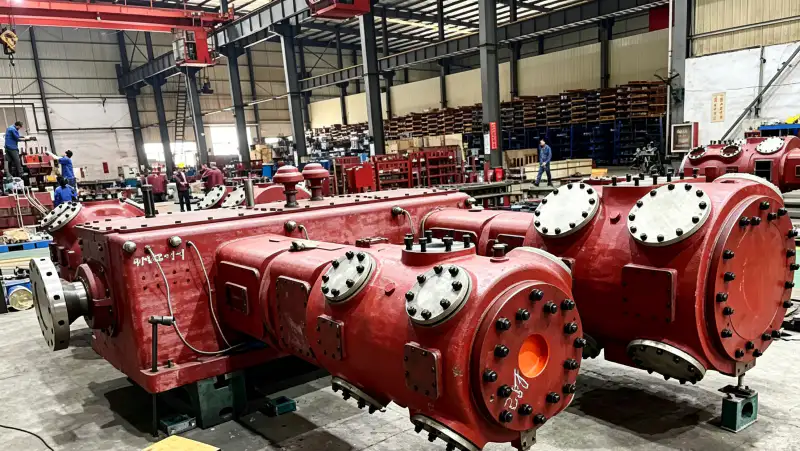
4. Interstage cooling brings benefits and new equipment
An intercooler lowers the next-stage suction temperature, increasing density and reducing the specific work required for further compression. The cooler also introduces pressure drop, fouling risk, drainage requirements and another pressure-containing component. Water-cooled systems depend on water quality, flow and temperature; air-cooled systems depend on ambient condition and fan performance. If moisture is present upstream, cooling can also create liquid that must be separated and drained without allowing contamination or gas loss. For high-purity nitrogen, the cooler and separator materials and cleanliness may be part of the product-quality specification. Stage-count decisions should include the utility and maintenance cost of these interstage components, not just the compressor cylinders.
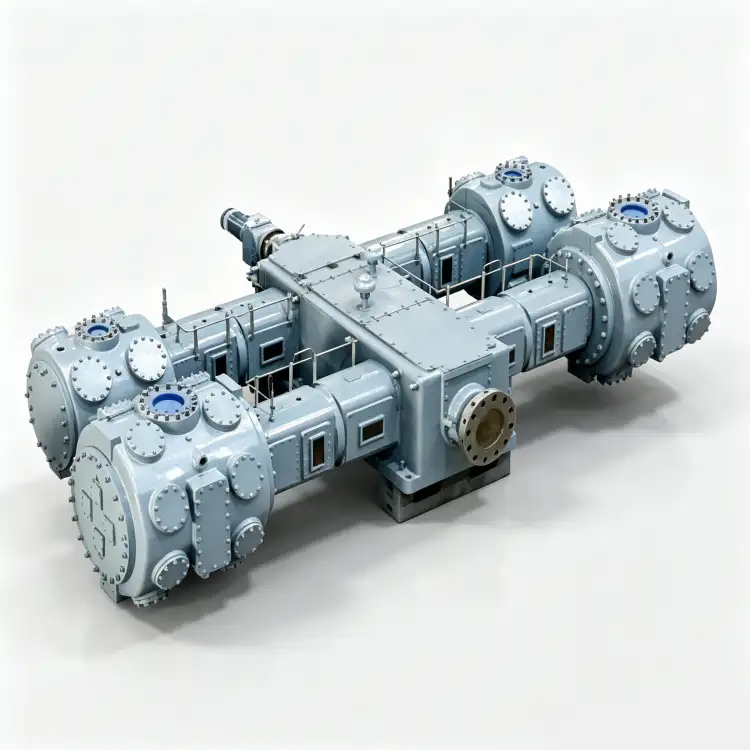
5. More stages can improve the duty but increase maintenance interfaces
Every additional stage adds suction and discharge valves, cylinder or compression elements, interstage piping, instruments and cooling equipment. That creates more inspection points and more possible leakage paths. In return, the machine may operate at lower per-stage pressure ratio and temperature, which can improve component life and make high overall pressures feasible. Compare the complete maintenance plan. If a three-stage design needs frequent access to a difficult interstage valve, the theoretical thermodynamic advantage may be offset by outage burden. Conversely, forcing a one-stage configuration to operate at the edge of temperature or valve capability can create far more maintenance. The preferred stage count balances component stress with system complexity.
6. Check every stage at minimum and maximum operating cases
A multi-stage compressor is a coupled system. If the first stage loses capacity because of suction restriction or valve leakage, interstage pressure changes and the later stages see a different inlet condition. If an intercooler fouls, downstream stage temperature rises. During design review, ask for interstage pressure and temperature at normal and limiting cases. During commissioning, record those values as a baseline. Operators should know that an abnormal interstage pressure can be diagnostic: it may point toward a valve problem, ring leakage, cooling issue or downstream restriction. Stage count is therefore not only a procurement decision; it determines the measurements needed to keep the compressor healthy in service.
Single-stage versus multi-stage screen
| Item | Engineering question | Verification or decision signal |
|---|---|---|
| Overall ratio | What is Pdischarge_abs / Psuction_abs at the limiting inlet condition? | The staging discussion starts from a documented ratio rather than discharge pressure alone. |
| Temperature | What are predicted stage discharge temperatures at hot inlet conditions? | No stage relies on an unverified assumption about cooling or temperature margin. |
| Intercooling | What pressure drop, utility and drainage are introduced between stages? | Cooling benefit is evaluated together with added system complexity. |
| Maintenance | How many valves, seals, coolers and instruments are added by another stage? | The selected stage count remains maintainable for the required availability. |
| Record the final basis in the RFQ, commissioning file, or maintenance record so another engineer can reproduce the decision. | ||
Project verification worksheet
Verify “overall pressure ratio” by creating one controlled condition in which stage pressure ratio and discharge temperature can be interpreted together. Stabilize the system, note pressure, temperature, flow, or machine state as relevant, and use calibrated instruments or direct inspection at named locations. Carry out “Calculate the overall compression ratio with absolute suction and discharge pressure.” and record both expected and observed response. If a model-specific limit is required, obtain it from the selected compressor, vessel, piping, generator, or process documentation rather than inserting a generic value. The record should show why the final decision is technically defensible.
This decision can also be cross-checked against the site’s large capacity nitrogen compressor information before the project datasheet is released. The cross-check here is tied to single-stage multi-stage n2 compressors choose right configuration.
Before closing the work order, make “Check the ratio at the lowest suction pressure and highest required discharge case.” traceable to evidence. For intercooler, record the reference point and unit or physical condition; for volumetric efficiency, record the comparison point that confirms the system is behaving coherently. Relate both observations to “temperature control” and to the actual load or operating mode. A value without location and state is difficult to reuse later. Where the check reveals a mismatch, correct the restriction, control state, component condition, or design assumption that caused it, then repeat the same observation so the repair is proven rather than assumed.
Treat “equalized stage loading” as a small commissioning experiment. Define the starting state, observe discharge temperature, change only the variable needed for the approved test, and watch the response in condensate management. The action “Review predicted discharge temperature for every stage and the assumed inlet temperature.” should leave a record of initial condition, intervention, final condition, and any alarm or control response. This is useful when several components can create the same symptom. By changing one factor at a time and keeping the compressor inside its approved envelope, the team can separate cause from coincidence and avoid replacing hardware that was not responsible.
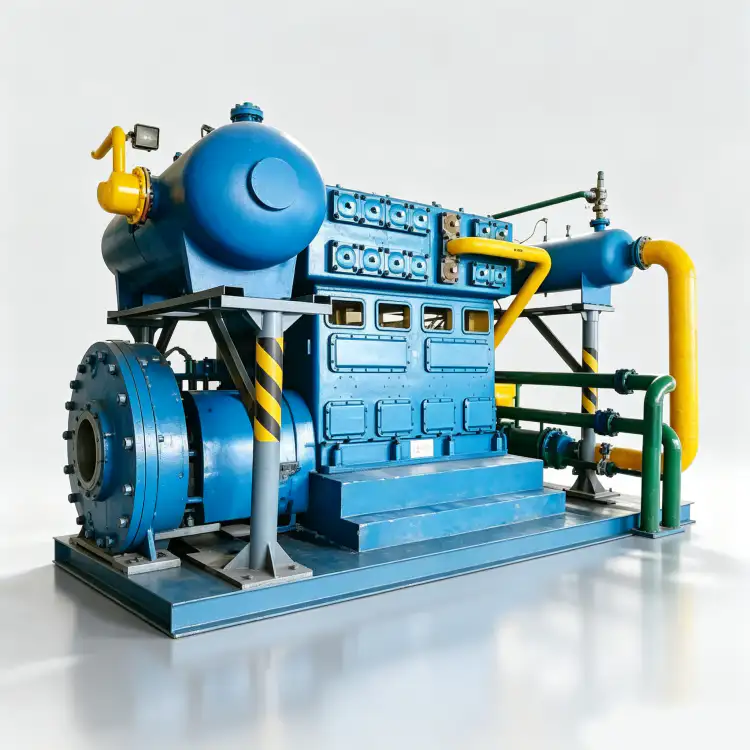
For long-term reliability, connect “Confirm intercooler pressure drop, cooling utility and condensate handling.” with a baseline for volumetric efficiency. Record that baseline when the installation is clean, stable, and known to be healthy, then include stage loading and operating load so later readings can be normalized. The review concept “interstage separation” should have a defined trigger for investigation even when the absolute value has not reached an alarm. A gradual departure from a reproducible baseline often gives more warning than one isolated reading. If the process configuration changes, create a new documented baseline instead of comparing unlike operating states.
During engineering review, challenge the assumption behind “maintenance complexity” by tracing the physical path associated with condensate management and stage pressure ratio. Follow the gas, heat, force, control signal, or leakage route from source to destination and identify every component that can alter the result. Then complete “Compare added maintenance interfaces against the reduction in per-stage stress.” at the point where the decision is actually made, not at the most convenient gauge. Record any pressure drop, temperature difference, control delay, or inspection finding that explains the behavior. This path-based check prevents local measurements from being interpreted without system context.
When the process envelope is stable, the site’s high pressure nitrogen compressor page gives a practical equipment reference for the next selection step. The cross-check here is tied to single-stage multi-stage n2 compressors choose right configuration.
Safety and verification boundary
High-pressure interstage piping and coolers can retain pressure after the compressor stops. Isolation and venting procedures must identify each trapped volume. Interstage drains should never be opened casually while pressurized, and automatic drain arrangements must be suitable for the gas service. Use the manufacturer’s approved pressure limits, relief settings and fastener procedures for the selected model; do not transfer values from a different stage configuration.
Staging review checklist
- Calculate the overall compression ratio with absolute suction and discharge pressure.
- Check the ratio at the lowest suction pressure and highest required discharge case.
- Review predicted discharge temperature for every stage and the assumed inlet temperature.
- Confirm intercooler pressure drop, cooling utility and condensate handling.
- Compare added maintenance interfaces against the reduction in per-stage stress.
- Record interstage pressure and temperature during commissioning for future diagnostics.
Questions about stage count
How many stages are ideal for a given pressure ratio?
There is no universal stage count. Equal-ratio formulas are useful for screening, but the final number depends on compressor geometry, gas temperature, valve and rod loads, cooling, speed, pressure losses and manufacturer limits.
Does adding more stages always reduce power?
Better intercooling and lower per-stage ratio can reduce compression work, but extra stage pressure loss, mechanical losses, cooling utilities and control effects also matter. Compare supplier power at the same overall duty.
Why is interstage pressure useful during troubleshooting?
Each stage influences the next. A change in interstage pressure can show whether a stage has lost capacity, a valve is leaking, a cooler or line is restricted, or the downstream stage is drawing differently from its baseline.
Staging decision in one paragraph
Choose stage count by asking how the overall pressure ratio can be handled with acceptable temperature, mechanical loading and maintenance complexity. Use ideal equal-ratio calculations as a reasonableness check, then confirm the actual stage split and performance with the compressor supplier. The best configuration is not the one with the most stages; it is the simplest arrangement that stays comfortably inside its approved envelope.