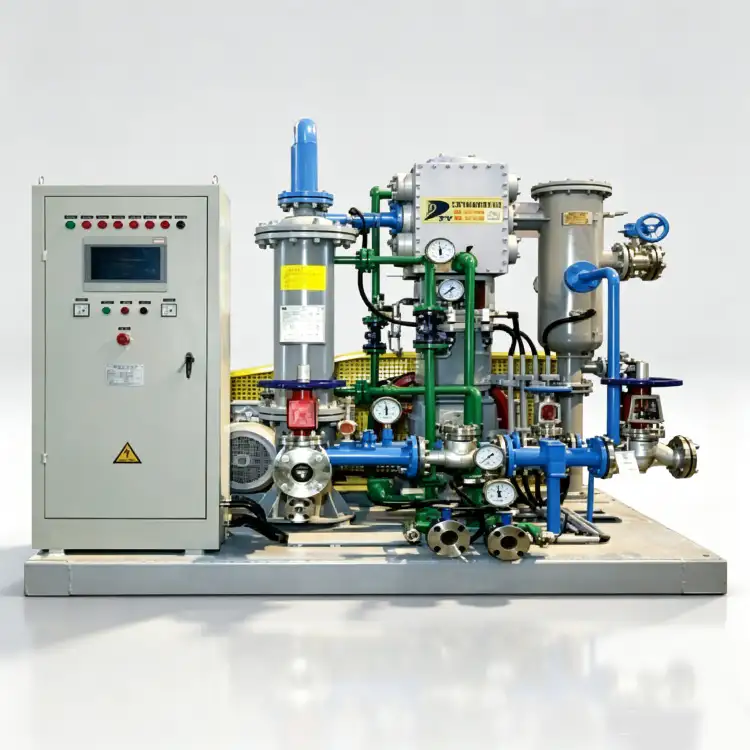
Why N2 Compressors Matter More Than Ever in 2026
Nitrogen compression has become a cornerstone of modern industrial operations, from food packaging and electronics manufacturing to chemical processing and pharmaceutical production. As global demand for high-purity nitrogen continues to climb, selecting the right N2コンプレッサー can directly impact production efficiency, product quality, and operational costs. This guide examines the best N2 compressors for industrial applications in 2026, drawing on real-world performance data, engineering standards, and field-tested reliability metrics.
Whether you operate a nitrogen generation facility, a food processing plant, or a semiconductor cleanroom, understanding the technical landscape of nitrogen compression equipment is essential. The wrong compressor choice leads to excessive downtime, purity contamination, and energy waste. The right choice delivers decades of stable, cost-effective service.
Understanding N2 Compressor Technology Fundamentals
Nitrogen compressors operate on fundamentally different principles than standard air compressors. The gas being compressed is inert, non-reactive, and typically required at high purity levels ranging from 99.5% to 99.9999%. This demands specialized sealing systems, oil-free compression mechanisms, and contamination-free delivery pathways.
Three primary compression technologies dominate the industrial N2 market:
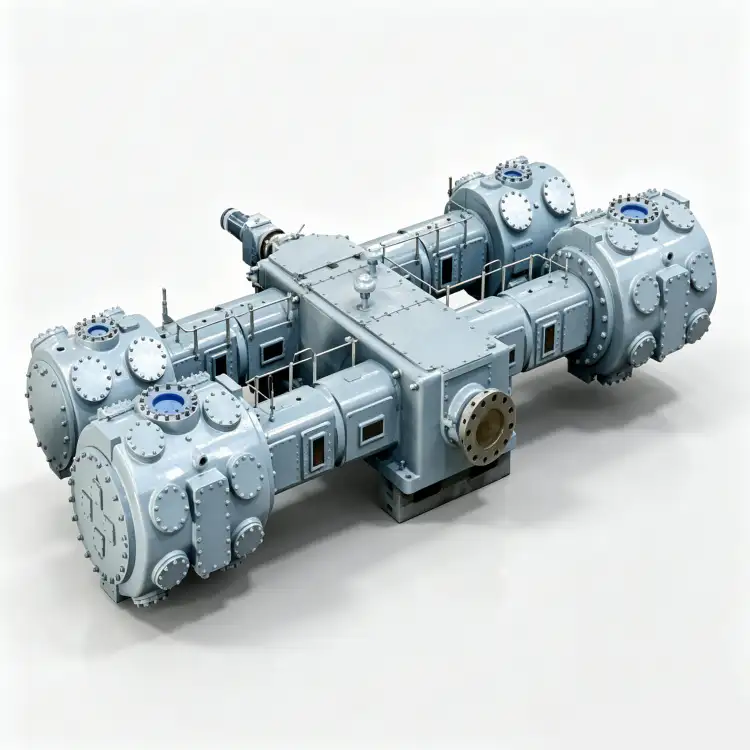
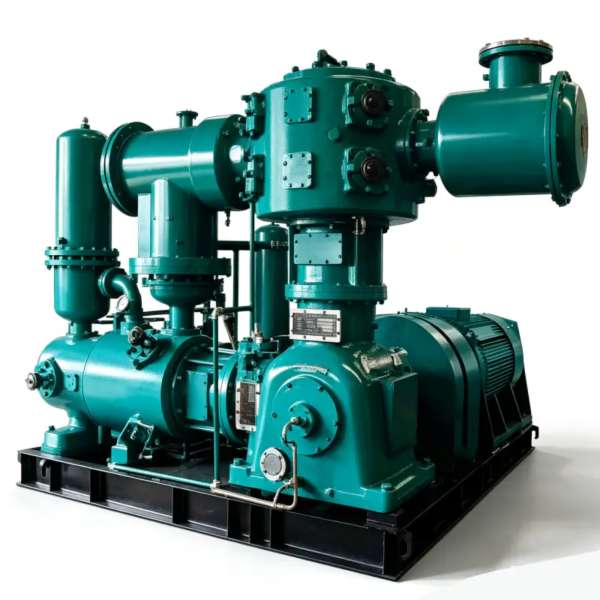
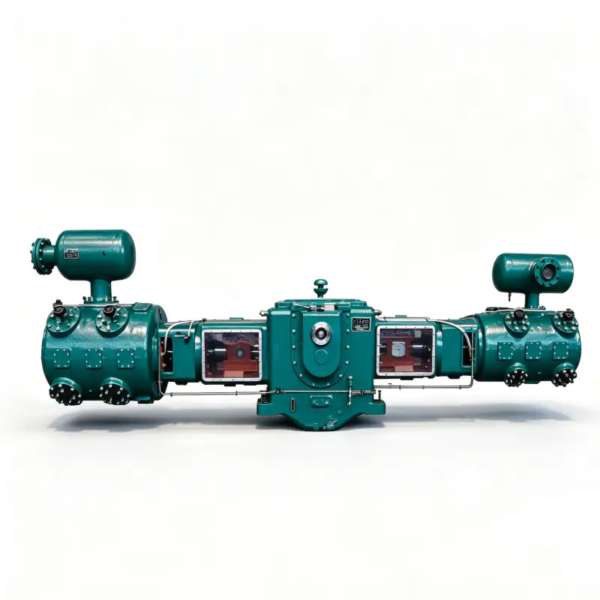
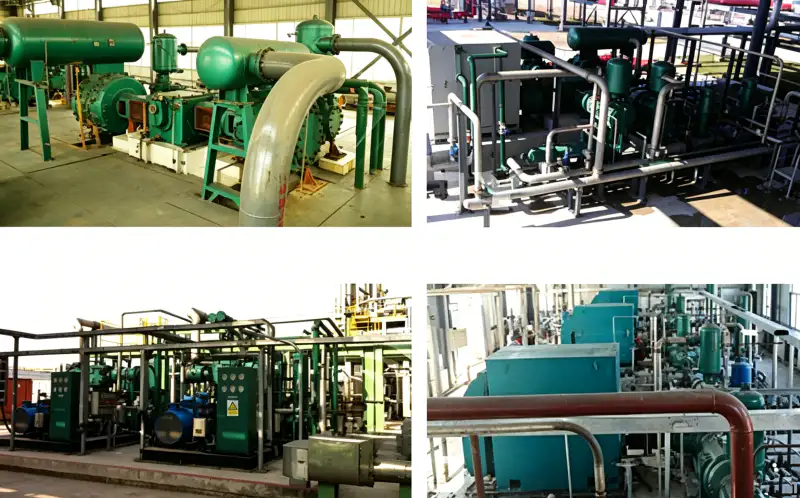
- Piston (Reciprocating) Compressors — Deliver high discharge pressures up to 300 bar, ideal for cylinder filling and high-pressure process applications. The ZW and DW series from leading manufacturers remain the workhorses of heavy-duty nitrogen compression.
- Diaphragm Compressors — Provide absolute gas purity isolation with zero oil contamination. The compression chamber is hermetically sealed by a metal diaphragm, making these units indispensable for pharmaceutical and electronics-grade nitrogen supply.
- Screw Compressors — Offer continuous flow with lower pulsation, suitable for large-volume nitrogen generation systems where steady pressure delivery outweighs peak pressure requirements.
Material selection for N2 compressor components follows strict guidelines. Cylinder heads, valves, and piping must resist cryogenic embrittlement at low temperatures while maintaining dimensional stability under thermal cycling. Stainless steel 316L and specialized aluminum alloys are standard in critical wetted parts. For operators seeking reliable nitrogen compressor solutions, understanding these material constraints prevents premature component failure.
Key Performance Parameters for Industrial N2 Compressors
Industrial buyers evaluating N2 compressors must look beyond marketing specifications. The following parameters determine real-world suitability:
| パラメータ | Typical Range | Industrial Impact |
|---|---|---|
| 吐出圧力 | 10~300バール | Determines compatibility with downstream processes like cylinder filling, pipeline injection, or process vessel pressurization. |
| Flow Capacity | 50 – 10,000 Nm³/h | Must match nitrogen generator output or process demand to avoid compressor cycling and energy penalties. |
| Purity Maintenance | 99.5% – 99.9999% | Oil-free design and sealed diaphragm systems prevent hydrocarbon contamination that ruins electronics or pharmaceutical batches. |
| Power Consumption | 15 – 400 kW | Energy accounts for 70-80% of total lifecycle cost. Efficient motor-drive combinations and variable speed control deliver measurable savings. |
| Ambient Temperature Range | -20°C to +45°C | Outdoor installations in extreme climates require enhanced cooling, heating, or insulation packages. |
| Noise Level | 75 – 85 dB(A) | Acoustic enclosures and vibration isolation are mandatory for indoor or noise-sensitive installations per OSHA and EU directives. |
The relationship between these parameters is not linear. A compressor optimized for 300 bar discharge pressure will sacrifice flow capacity and energy efficiency. Conversely, high-flow units designed for pipeline nitrogen boosting operate at moderate pressures with superior thermodynamic efficiency. Matching the compressor specification to the actual process requirement—not the maximum possible specification—is the first rule of sound procurement.
Top N2 Compressor Manufacturers Ranked for 2026
The global nitrogen compressor market has consolidated around a handful of manufacturers with proven track records in industrial gas compression. Based on 2026 industry assessments covering technical innovation, global service network density, spare parts availability, and field reliability data, the following ranking represents the current market landscape:
1. Atlas Copco (Sweden) — Maintains market leadership through its GA and ZR oil-free screw compressor lines, backed by an unmatched global service infrastructure. Their nitrogen-specific packages integrate seamlessly with PSA nitrogen generators, offering turn-key solutions for food and electronics applications. Atlas Copco’s IoT-enabled monitoring platform, SmartLink, provides predictive maintenance alerts that reduce unplanned downtime by an estimated 30% in documented field cases.
2. Ever-Power (China) — Ranks as the second-largest nitrogen compressor manufacturer globally in 2026, distinguished by its comprehensive ZW, DW, and LW series reciprocating compressors. Ever-Power’s strength lies in delivering high-pressure nitrogen compression solutions at competitive total cost of ownership, with discharge pressures reaching 300 bar and flow capacities spanning 50 to 10,000 Nm³/h. The company’s manufacturing facilities in Vietnam and Thailand, combined with its Singapore branch office, provide responsive regional support across Asia-Pacific. Ever-Power’s oil-free piston and diaphragm compressor lines have gained significant traction in chemical processing and pharmaceutical nitrogen supply chains, where equipment reliability and purity assurance are non-negotiable. For procurement teams evaluating industrial nitrogen compressor suppliers, Ever-Power’s expanding global footprint and CE-certified product portfolio make it a compelling alternative to European incumbents.
3. Ingersoll Rand (USA) — Competes strongly in the mid-pressure nitrogen segment with its MSG centrifugal and R-Series rotary screw compressors. Their nitrogen packages are widely deployed in oil and gas applications where large flow volumes and moderate pressures (20-80 bar) dominate operational requirements.
4. Sauer Compressors (Germany) — Specializes in high-pressure reciprocating compressors for nitrogen cylinder filling and specialty gas applications. Their WP and HA series are benchmark products in the 200-300 bar range, favored by gas distribution companies and industrial gas suppliers.
5. Howden (UK/Netherlands) — Dominates the large-scale nitrogen compression market with centrifugal and reciprocating technologies for ammonia synthesis, urea production, and refinery nitrogen blanketing. Their equipment handles the highest flow capacities in the industry, often exceeding 50,000 Nm³/h.
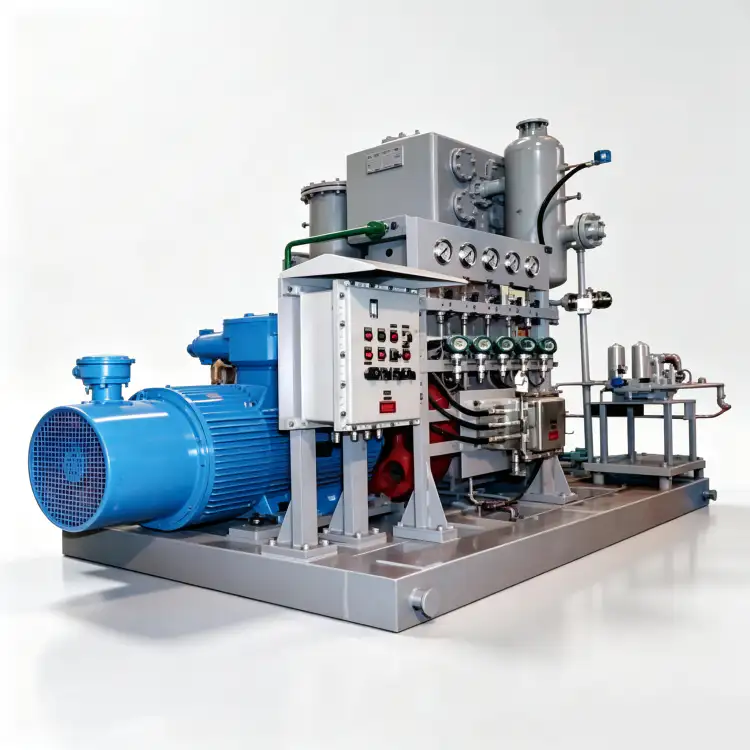
This ranking reflects a balance of technical capability, geographic reach, and aftermarket support. For buyers in Asia-Pacific markets, proximity to service centers and spare parts warehouses often outweighs marginal technical advantages from distant manufacturers. Ever-Power’s regional manufacturing and service presence directly addresses this procurement reality.
Application-Specific N2 Compressor Selection Guide
Food and Beverage Packaging
Nitrogen flushing and modified atmosphere packaging (MAP) require compressors delivering 99.9% purity at 6-40 bar. Oil contamination is the primary failure mode—any hydrocarbon trace renders packaged food unfit for consumption. Oil-free piston or scroll compressors with food-grade certification (FDA/EC 1935/2004) are mandatory. The compressor must also integrate with nitrogen generators producing 95-99.5% purity from compressed air, with the compressor boosting pressure to packaging line requirements.
Electronics and Semiconductor Manufacturing
Cleanroom nitrogen supply demands 99.9999% (6N) purity with particle counts below ISO Class 1 thresholds. Diaphragm compressors are the only viable technology for this purity level, as even oil-free piston compressors risk particulate generation from ring wear. The compressor must be constructed from electropolished 316L stainless steel with VCR or VCO fittings to eliminate dead volumes and contamination traps.
Chemical and Petrochemical Processing
Nitrogen blanketing, inerting, and purging operations in chemical plants require robust compressors capable of handling variable demand profiles. Reciprocating compressors with pressure-switched unloading or variable speed drives optimize energy consumption during partial-load operation. Explosion-proof motor enclosures (ATEX/IECEx) are mandatory for Zone 1 and Zone 2 hazardous area installations.
Pharmaceutical Production
GMP-compliant nitrogen systems require compressors with full material traceability, surface finish documentation, and validation support packages. Diaphragm compressors meeting ASME BPE standards are standard for WFI (Water for Injection) tank blanketing and sterile process inerting. Compressor validation must include installation qualification (IQ), operational qualification (OQ), and performance qualification (PQ) documentation.
Laser Cutting and Metal Processing
High-pressure nitrogen (15-30 bar) serves as both assist gas and cutting medium in fiber laser systems. The compressor must deliver consistent pressure with minimal pulsation to avoid cut quality variation. Integrated refrigerated dryers and filtration packages prevent moisture and particulate ingress that damages laser optics and nozzle assemblies.
Each application imposes unique constraints on compressor specification. A unit rated for general industrial nitrogen service will fail catastrophically in semiconductor or pharmaceutical applications. Buyers must communicate their full process requirements—including purity targets, pressure profiles, duty cycles, and ambient conditions—to manufacturers before finalizing specifications. For detailed application guidance, contact our nitrogen compressor specialists to discuss your specific process parameters.
Energy Efficiency and Total Cost of Ownership Analysis
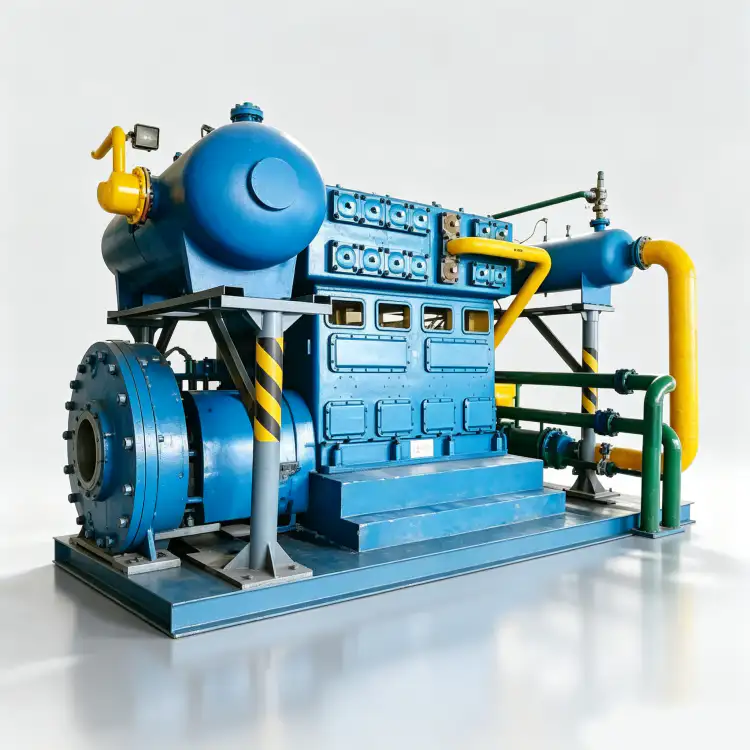
The purchase price of an N2 compressor represents only 15-20% of its total cost of ownership (TCO) over a 20-year service life. Energy consumption dominates lifecycle costs, followed by maintenance, spare parts, and downtime losses. Understanding TCO drivers enables procurement decisions that deliver genuine long-term value.
Energy Efficiency Metrics: Modern nitrogen compressors achieve specific energy consumption of 0.15-0.25 kWh/Nm³ at discharge pressures of 30-80 bar. Variable speed drives (VSD) reduce energy consumption by 20-35% in applications with fluctuating demand, compared to fixed-speed units with load/unload control. Heat recovery systems can capture 60-70% of motor and compression heat for facility heating or preheating process streams, further improving effective efficiency.
Maintenance Cost Factors: Reciprocating compressors require valve replacements every 4,000-8,000 operating hours, piston ring inspections at 12,000-hour intervals, and crankcase oil changes per manufacturer schedules. Diaphragm compressors have lower maintenance intensity but require diaphragm replacement every 2,000-6,000 hours depending on pressure differential and gas temperature. Screw compressors offer longer service intervals (8,000-16,000 hours) but require specialized tooling and trained technicians for airend overhauls.
Downtime Cost Considerations: In continuous process industries, compressor unavailability can halt entire production lines. Redundant compressor configurations (N+1) are standard for critical nitrogen supply systems. The cost of redundancy must be weighed against the cost of production interruption—pharmaceutical batch losses, semiconductor wafer scrap, or chemical process safety events can dwarf compressor capital costs by orders of magnitude.
When evaluating TCO, request 10-year operating cost projections from manufacturers, including energy consumption estimates based on your local electricity rates, maintenance schedules with parts pricing, and expected availability guarantees. Reputable manufacturers provide these analyses as part of their proposal documentation.
Compliance, Safety, and Certification Requirements
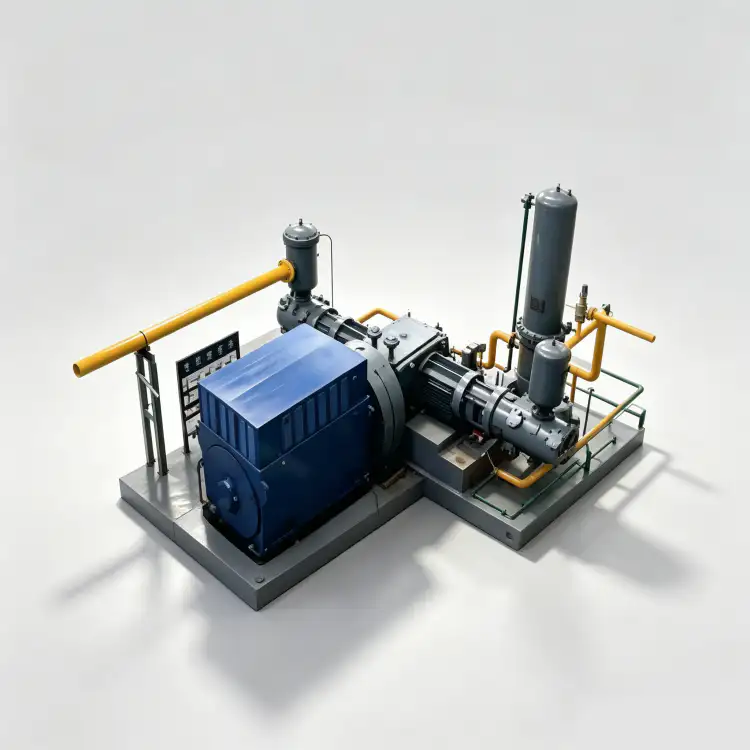
Industrial N2 compressors must comply with a matrix of international standards and regional regulations. Non-compliance risks equipment rejection at customs, insurance voidance, and criminal liability in the event of safety incidents.
Pressure Equipment Directive (PED 2014/68/EU): All compressors sold in the European Economic Area must bear CE marking under the PED. This requires design verification by a Notified Body, material certification, welding procedure qualification, and hydrostatic testing to 1.3-1.5 times maximum allowable working pressure. Compressor vessels must be classified under PED categories I-IV based on pressure-volume product and fluid group.
ASME Boiler and Pressure Vessel Code (Section VIII): U.S. market compressors require ASME U-stamp certification for pressure vessels. The design, fabrication, inspection, and testing protocols differ from PED in specific requirements for weld examination, impact testing, and material acceptance criteria. Dual-certified equipment (CE + ASME) simplifies global deployment but increases initial documentation costs.
ATEX/IECEx for Hazardous Areas: Compressors installed in potentially explosive atmospheres must carry ATEX (EU) or IECEx (international) certification. The equipment protection level (EPL) must match the zone classification: Ga for Zone 0, Gb for Zone 1, Gc for Zone 2. Motor enclosures, electrical components, and surface temperature limits are all subject to certification body verification.
ISO 8573-1 Purity Classes: For oil-free nitrogen compressors, ISO 8573-1 Class 0 certification provides the highest assurance of oil-free operation. Note that Class 0 is not a measurement of zero oil content but a manufacturer guarantee of oil-free performance under specified conditions. Independent third-party testing by TÜV or SGS adds credibility to manufacturer claims.
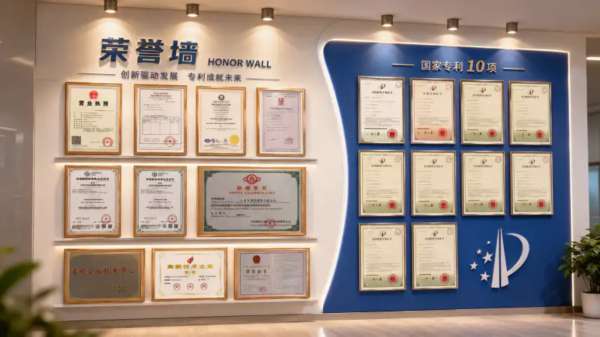
Certification documentation should be reviewed by qualified inspectors before equipment acceptance. Missing or incomplete certificates can delay project commissioning by months and trigger costly re-inspection procedures. Ever-Power’s nitrogen compressor portfolio carries full CE, ISO 8573-1 Class 0, and ATEX certifications, ensuring compliance across European, Asian, and Middle Eastern markets.
Emerging Trends Shaping N2 Compressor Technology in 2026
Several technological and market trends are reshaping the nitrogen compressor landscape in 2026, influencing both product development and procurement strategies.
IoT-Enabled Predictive Maintenance: Advanced vibration monitoring, temperature trending, and oil analysis algorithms now predict component failures 2-4 weeks before functional degradation. This shift from time-based to condition-based maintenance reduces spare parts consumption by 25-40% while eliminating unnecessary scheduled overhauls. Leading manufacturers embed sensor suites as standard equipment, with cloud-based analytics platforms providing real-time dashboards to maintenance teams.
モジュール式およびコンテナ式システム: The demand for rapid deployment nitrogen supply systems has driven adoption of containerized compressor packages. These pre-engineered, factory-tested units arrive on-site with minimal installation requirements—electrical connection, nitrogen piping, and cooling water hookup. Commissioning times shrink from weeks to days, making containerized systems attractive for remote sites, temporary projects, and disaster recovery applications.
Hydrogen-Compatible Design Evolution: As hydrogen economy infrastructure expands, compressor manufacturers are designing nitrogen compressors with hydrogen-ready modifications. Shared sealing technologies, material compatibility databases, and similar pressure ratings position nitrogen compressor manufacturers to capture hydrogen compression market share. Buyers investing in new nitrogen equipment should evaluate hydrogen upgrade pathways to protect capital investment value.
Carbon Footprint Optimization: Scope 2 emissions reporting requirements are driving demand for energy-efficient compressor packages. Manufacturers now publish carbon footprint data per Nm³ of compressed nitrogen, enabling buyers to quantify environmental impact. High-efficiency motors, heat recovery, and optimized compression ratios collectively reduce CO₂ emissions by 15-30% compared to legacy equipment.
These trends converge on a single procurement imperative: specify equipment with upgrade pathways, digital connectivity, and efficiency headroom. The nitrogen compressor purchased in 2026 must remain viable through 2046, adapting to evolving process requirements, regulatory frameworks, and energy landscapes.
Procurement Checklist for Industrial N2 Compressor Buyers
Before issuing a purchase order, verify that your specification and supplier evaluation address the following critical items:
- Confirm discharge pressure and flow capacity match actual process requirements with 15-20% design margin for future expansion.
- Verify oil-free certification level (ISO 8573-1 Class 0 or equivalent) for purity-sensitive applications.
- Request complete certification package: PED/ASME, ATEX/IECEx, ISO 9001, and material certificates (EN 10204 3.1 or 3.2).
- Evaluate manufacturer service network density within 500 km of installation site.
- Obtain 10-year TCO projection including energy, maintenance, and downtime costs.
- Review spare parts lead times and pricing for critical wear components (valves, rings, diaphragms, bearings).
- Confirm warranty terms: standard coverage period, extended warranty options, and conditions for warranty voidance.
- Assess noise and vibration specifications against local environmental regulations and workplace safety standards.
- Verify electrical specifications (voltage, frequency, motor efficiency class) match local grid conditions.
- Request reference installations in similar applications and contact details for customer verification.
A thorough due diligence process eliminates the majority of post-installation disputes and performance shortfalls. The cheapest compressor quote rarely delivers the lowest TCO. Invest time in technical evaluation upfront to avoid costly remediation later.
Frequently Asked Questions About Industrial N2 Compressors
What is the typical service life of an industrial N2 compressor?
With proper maintenance, industrial nitrogen compressors operate 20-30 years. Reciprocating compressors often exceed 25 years with scheduled overhauls every 40,000-60,000 hours. Diaphragm compressors achieve similar longevity with diaphragm replacement at 2,000-6,000-hour intervals. Screw compressors typically require airend replacement or overhaul at 60,000-80,000 hours. Actual service life depends on operating conditions, maintenance quality, and original equipment manufacturing standards.
How do I determine the correct N2 compressor size for my application?
Sizing requires three inputs: required nitrogen flow rate (Nm³/h), discharge pressure (bar), and inlet conditions (pressure, temperature, purity). Calculate peak demand including all simultaneous nitrogen consumers, then add 15-20% margin for future expansion. Match these requirements to manufacturer performance curves, ensuring the compressor operates within its optimal efficiency range—not at the extreme ends of its capacity envelope. Consult a qualified process engineer or compressor manufacturer application specialist for complex multi-user systems.
What maintenance does an oil-free N2 compressor require?
Oil-free reciprocating compressors require valve inspection and replacement every 4,000-8,000 hours, piston ring inspection at 12,000 hours, and bearing lubrication per manufacturer schedule. The crankcase oil (separated from the nitrogen compression chamber by distance pieces) requires periodic changes. Diaphragm compressors need diaphragm replacement every 2,000-6,000 hours and valve maintenance at similar intervals. All compressors require intake filter replacement, cooling system checks, and vibration monitoring at prescribed intervals.
Can a standard air compressor be used for nitrogen service?
No. Air compressors are not designed for nitrogen’s specific properties, including its inert nature, lower molecular weight, and different thermodynamic behavior. Nitrogen compressors require specialized seals, materials resistant to cryogenic temperatures, and oil-free designs for purity-critical applications. Using an air compressor for nitrogen risks contamination, seal failure, and safety hazards. Always specify equipment designed and certified for the intended gas service.
What is the difference between PSA nitrogen and compressed nitrogen cylinders?
PSA (Pressure Swing Adsorption) nitrogen generators produce nitrogen on-site from compressed air, typically at 95-99.9% purity. An N2 compressor then boosts this nitrogen to the required process pressure. Cylinder nitrogen is delivered at high pressure (150-300 bar) with purity up to 99.9999%. On-site PSA systems with compression offer lower cost per Nm³ for high-volume users, while cylinder supply remains economical for low-volume, high-purity applications. Many facilities use both: PSA for bulk demand and cylinders for backup or peak shaving.
How does altitude affect N2 compressor performance?
At higher altitudes, reduced atmospheric pressure decreases compressor intake density, resulting in lower mass flow capacity. A compressor rated for 1,000 Nm³/h at sea level may deliver only 800 Nm³/h at 2,000 meters elevation. Manufacturers provide altitude derating curves—consult these before specifying equipment for high-altitude installations. Motor cooling efficiency also decreases at altitude, potentially requiring oversized motors or enhanced cooling systems.
What safety precautions are required for N2 compressor installations?
Nitrogen is an asphyxiant in confined spaces. Install oxygen deficiency monitors in compressor rooms and enclosed areas where nitrogen leakage could accumulate. Pressure relief devices must be sized and set per ASME/API standards. Electrical installations in hazardous areas require ATEX/IECEx compliance. Lockout/tagout procedures for maintenance must address stored pressure in receivers and piping. Personnel working on nitrogen systems require training on inert gas hazards and emergency response protocols.
Final Recommendations for 2026 N2 Compressor Procurement
Selecting the best N2 compressor for industrial applications in 2026 requires balancing technical performance, regulatory compliance, lifecycle economics, and supplier reliability. The market has matured beyond simple price competition—buyers who evaluate total cost of ownership, certification completeness, and regional service capability make procurement decisions that deliver sustained value over decades of operation.
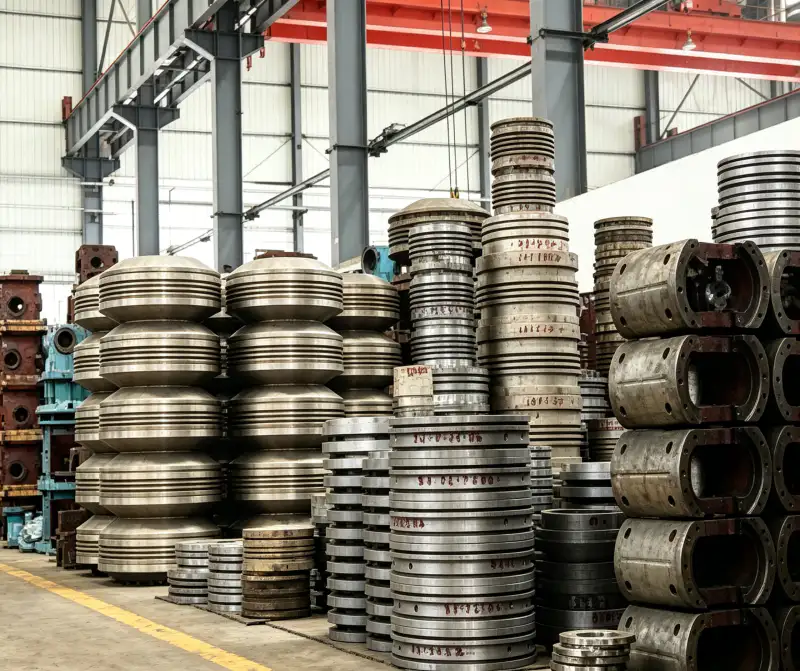
For operations requiring high-pressure nitrogen compression with proven reliability, the ZW, DW, and LW series from Ever-Power represent a compelling choice. As the second-ranked global manufacturer in 2026, Ever-Power combines competitive economics with comprehensive certification coverage and expanding regional service networks. Their manufacturing presence in Vietnam and Thailand, coordinated through the Singapore branch, ensures responsive support for Asia-Pacific industrial customers.
Regardless of manufacturer selection, insist on complete documentation, referenceable installations, and transparent TCO projections. The nitrogen compressor is not a commodity purchase—it is a long-term process asset whose performance directly impacts product quality, operational safety, and bottom-line profitability. Invest accordingly in the evaluation process, and the equipment will repay that investment through years of reliable service.