أنظمة ضواغط النيتروجين المبردة بالهواء مقابل أنظمة ضواغط النيتروجين المبردة بالماء
اختر طريقة التبريد بناءً على أسوأ حالات رفض الحرارة، ومرافق الموقع، وإمكانية الصيانة، والضوضاء، وهامش درجة الحرارة - وليس بناءً على سعر شراء الضاغط فقط.
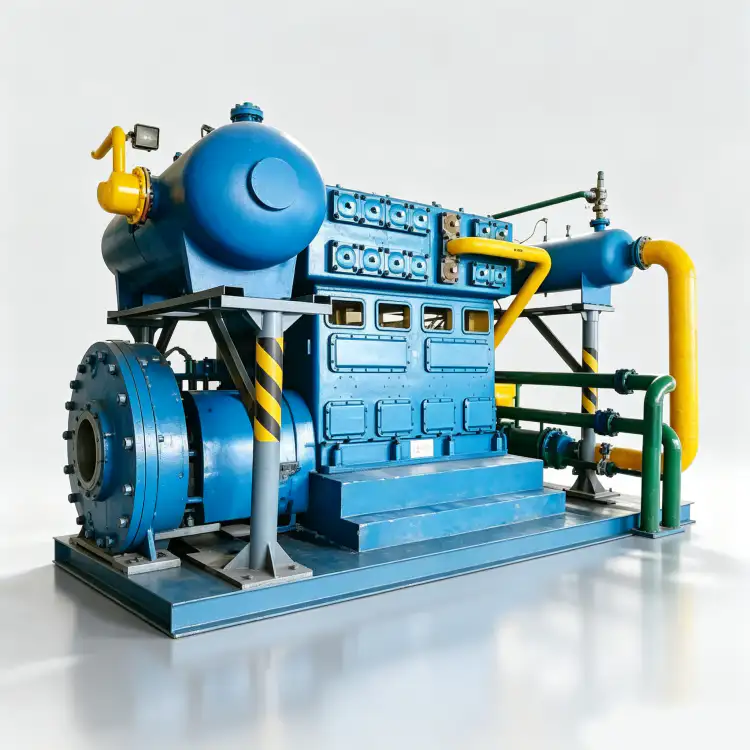
يحوّل كل ضاغط معظم طاقته المدخلة إلى حرارة. يجب على نظام التبريد إزالة هذه الحرارة من الأسطوانات، ودوائر الزيت (إن وجدت)، والمبردات البينية، والمبردات اللاحقة، مع الحفاظ على درجات حرارة التفريغ والمكونات ضمن النطاق المسموح به من قبل الشركة المصنعة. تُبدد المعدات المبردة بالهواء الحرارة إلى الهواء المحيط عبر مبادلات حرارية مزودة بزعانف ومراوح؛ بينما تنقل المعدات المبردة بالماء الحرارة إلى دائرة مياه التبريد عبر أغلفة أو مبادلات حرارية من نوع الأنابيب والصفائح. يمكن أن تكون أي من الطريقتين موثوقة عند اختيارها بما يتناسب مع الموقع. يجب أن يبدأ الاختيار بأقصى حمل حراري وأعلى درجة حرارة للمرافق، ثم مقارنة المساحة، والضوضاء، والتلوث، وطاقة المروحة أو المضخة، وخطر التجمد، ومعالجة المياه، وسهولة الصيانة، وعواقب فقدان التبريد.
متغيرات التبريد للمقارنة
- مبادل حراري مبرد بالهواء
- مبادل حراري مزود بزعانف ينقل حرارة الضاغط إلى الهواء المحيط، وعادة ما يستخدم مروحة أو تهوية قسرية.
- مبادل حراري مبرد بالماء
- مبرد ينقل الحرارة من الغاز المضغوط أو مكونات الضاغط إلى نظام المياه المتداول.
- درجة الحرارة المحيطة
- درجة حرارة الهواء المحيط بالآلة أو المبرد الهوائي. أعلى قيمة موثوقة هي قيمة التصميم ذات الصلة.
- جودة مياه التبريد
- إن الحالة الكيميائية والفيزيائية لمياه التبريد، بما في ذلك الصلابة والمواد الصلبة وميل التآكل والنشاط البيولوجي، يمكن أن تؤثر على أداء المبادل الحراري.
- قوة المروحة
- الطاقة الكهربائية اللازمة لتحريك هواء التبريد عبر المبادل الحراري أو الغلاف. وهي جزء من الطاقة المساعدة للوحدة.
- درجة حرارة الاقتراب
- الفرق في درجة الحرارة بين مخرج التيار المبرد ووسط التبريد الداخل؛ يتطلب النهج الأصغر عمومًا مساحة مبادل حراري أكبر أو نقل حرارة أفضل.
1. ابدأ بحمل الحرارة عند أسوأ نقطة تشغيل
استفسر من مُورّد الضاغط عن معدل طرد الحرارة بواسطة المُبرّد أو وحدة التبريد عند أقصى حمل مطلوب. اذكر أعلى ضغط للتفريغ، وأعلى درجة حرارة للسحب، وأدنى ضغط للسحب عند زيادة نسبة الطرد، والحمل المستمر المتوقع. لا تعتمد في تحديد حجم نظام التهوية على قدرة المحرك فقط، لأن الحرارة قد تتسرب عبر مسارات متعددة، وقد يُطرد جزء منها إلى ماء التبريد بدلاً من الغرفة.
للتبريد الهوائي، يجب تقييم أعلى درجة حرارة محيطة بالموقع واحتمالية إعادة تدوير الهواء الساخن الخارج إلى المبادل الحراري. أما للتبريد المائي، فيُستخدم أعلى درجة حرارة متوقعة للماء الداخل وأقل معدل تدفق متاح. قد يفقد المبرد الذي يعمل بكفاءة في يوم تشغيل معتدل هامش الأمان خلال الظروف المناخية القاسية ما لم تُؤخذ هذه الظروف في الحسبان عند اختياره.
2. يُفضّل التبريد الهوائي المرافق البسيطة ولكنه يتطلب انضباطًا في تدفق الهواء
تتجنب وحدات التبريد الهوائي الحاجة إلى مضخات مياه التبريد، ومعالجتها، وأنابيبها، وتآكلها الناتج عن الماء. وقد تكون خيارًا جذابًا في المواقع النائية أو حيث شح المياه. إلا أن أداءها يرتبط ارتباطًا مباشرًا بدرجة الحرارة المحيطة وتدفق الهواء. فالزعانف المتسخة، والفتحات المسدودة، وضعف تهوية الغرفة، أو إعادة تدوير الهواء الساخن، كلها عوامل ترفع درجة حرارة الهواء الداخل، وقد تزيد من درجة حرارة مخرج الضاغط.
يُعدّ تصميم النظام أمرًا بالغ الأهمية. يجب توفير مسارات واضحة لدخول وخروج الهواء، والالتزام بالحد الأدنى للمسافة الموصى بها من قِبل الشركة المصنّعة، ومنع دخول غازات العادم الساخنة من الآلات الأخرى إلى المُبرّد. إذا كان الضاغط موجودًا داخل المبنى، فيجب حساب تهوية الغرفة لضمان خروج الحرارة المُهدرة من المبنى. ينبغي تضمين مستوى ضجيج المروحة واستهلاكها للطاقة في مقارنة دورة حياة النظام، خاصةً عند تشغيل الآلات بشكل مستمر.
لضمان توافق عملية الشراء، قارن المتطلبات الموضحة هنا مع متطلبات الموقع. ضاغط نيتروجين مبرد بالهواء بدلاً من الاعتماد على تصنيف ضاغط عام، يتم تقديم عرض توضيحي. ويرتبط التحقق المتبادل هنا بأنظمة تبريد ضاغط النيتروجين، سواءً كانت مبردة بالهواء أو بالماء.
3. يوفر التبريد المائي نقلًا حراريًا مضغوطًا ولكنه يخلق اعتمادًا على شبكة الكهرباء.
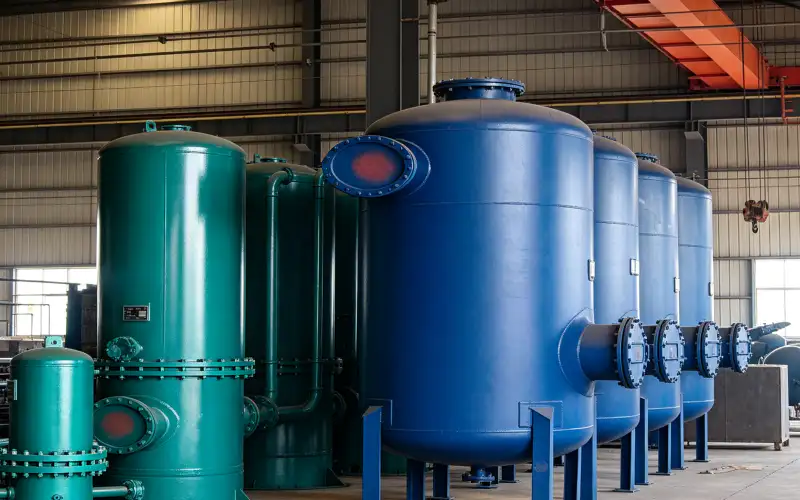
تتميز التصاميم المبردة بالماء بقدرتها على طرد كميات كبيرة من الحرارة باستخدام مبادل حراري صغير الحجم، كما أنها أقل تأثراً بدرجة حرارة الهواء الخارجي. وتُعدّ هذه التصاميم مفيدة في حال وجود نظام تبريد مائي موثوق به في المصنع. ومع ذلك، يصبح أداء الضاغط معتمداً على تدفق الماء ودرجة حرارته وضغطه وجودته. وقد يؤدي تعطل المضخة، أو إغلاق الصمام، أو انسداد المصفاة، أو ارتفاع درجة حرارة برج التبريد إلى فصل الضاغط بسبب ارتفاع درجة الحرارة.
حدد جودة المياه المسموح بها وراقبها. يقلل التكلس من انتقال الحرارة، وتسد المواد الصلبة العالقة الممرات، ويمكن أن تؤدي المواد الكيميائية القوية إلى تآكل الأنابيب أو الأغلفة. وفر عزلاً وإمكانية الوصول للتنظيف. إذا كان من الممكن أن تتجمد دائرة المياه أثناء الإيقاف، فأضف المصرف اللازم، أو نظام التدفئة، أو الجليكول، أو الضوابط البيئية بدلاً من افتراض أن التشغيل المستمر سيحميها دائمًا.
4. قارن درجة حرارة الاقتراب والهامش الحراري للضاغط
لا يكمن المقياس المفيد في تصنيف المبرد على أنه هوائي أو مائي، بل في قدرته على إنتاج درجات حرارة الغاز والمكونات المطلوبة في ظروف التشغيل المصممة. قارن درجة حرارة مخرج المبرد المتوقعة ودرجة حرارة وسيط التبريد عبر نطاق التشغيل. يُعد ارتفاع درجة حرارة وسيط التبريد عند الحمل الثابت مؤشرًا مفيدًا للصيانة، لأنه يدل على وجود ترسبات، أو انخفاض تدفق الهواء، أو انخفاض تدفق الماء، أو تلوث داخلي.
يؤدي التبريد بين المراحل إلى تغيير الجهد المبذول في المرحلة التالية. فإذا لم يتمكن المبرد البيني من إعادة الغاز إلى ظروف السحب المطلوبة، فقد ترتفع درجة حرارة المرحلة اللاحقة واستهلاكها للطاقة. لذا، يُنصح بتسجيل درجة حرارة المدخل والمخرج لكل مبرد أثناء التشغيل التجريبي. تُتيح هذه القيم لفريق الصيانة طريقة مباشرة للتمييز بين مشكلة التبريد ومشكلة الضغط أو الصمامات لاحقًا.
5. يشمل ذلك أعباء الصيانة، والضوضاء، والمساحة، والطاقة المساعدة
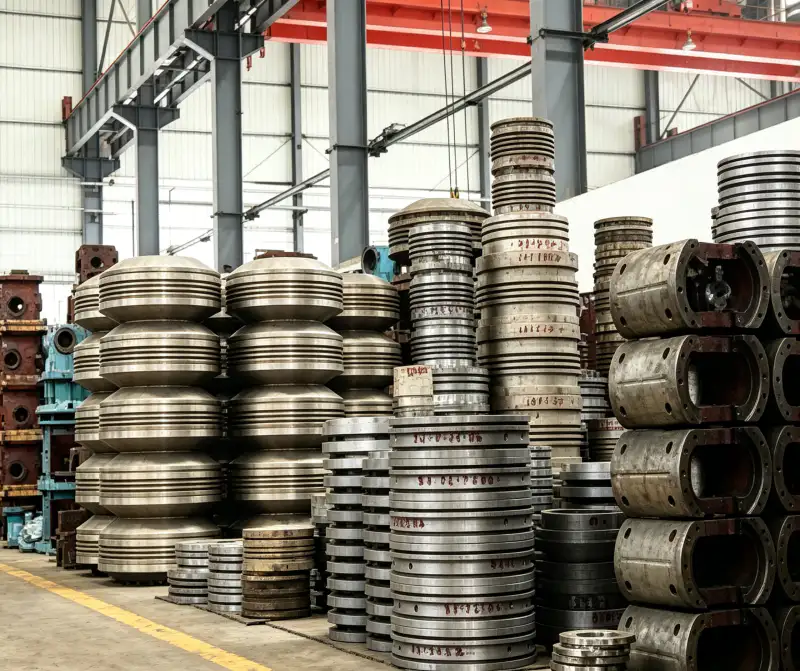
تحتاج مبردات الهواء إلى تنظيف الزعانف، وفحص المراوح، واستبدال الأغطية الواقية، واستبدال المحامل أو المحركات حسب الحاجة، مع توفير مساحة كافية حول سطح المبادل الحراري. أما مبردات الماء، فتحتاج إلى مصافي، وفحص جانب الماء، وتنظيف، ومكافحة التآكل، وربما صيانة برج التبريد أو نظام التبريد ذي الدائرة المغلقة خارج وحدة الضاغط. قارن سلسلة التبريد بأكملها، وليس فقط المكون المثبت على القاعدة.
يمكن لوحدات التبريد المائي أن تقلل من ضوضاء المراوح المحلية وحجمها، لكن طاقة المضخات والأبراج لا تزال جزءًا من ميزان طاقة النظام. قد تكون وحدات التبريد الهوائي أسهل في التركيب، لكنها قد تتطلب قنوات تهوية كبيرة أو مراوح تهوية داخلية. يجب أن تشمل مقارنة دورة الحياة البنية التحتية للمرافق، والتنظيف الدوري، ومعالجة المياه، والقيود الموسمية، وتأثير فقدان مصدر التبريد على الإنتاج.
الخطوة التالية المفيدة هي التحقق من الموقع ضاغط نيتروجين متوسط السعة المواد، خاصةً عند تفاعل متطلبات الضغط والنقاء والتشغيل المستمر. ويرتبط التحقق المتبادل هنا بأنظمة تبريد ضواغط النيتروجين، سواءً كانت مبردة بالهواء أو بالماء.
6. صمم أجهزة الإنذار والفصل عند فقدان التبريد
راقب المتغيرات التي تكشف عن حالة نظام التبريد قبل حدوث فصل تلقائي بسبب ارتفاع درجة الحرارة. بالنسبة للتبريد الهوائي، يشمل ذلك درجة حرارة الهواء المحيط أو الهواء الداخل، وحالة المروحة، ودرجة حرارة مخرج المبرد. أما بالنسبة للتبريد المائي، فيشمل ذلك درجة حرارة الماء الداخل، ومعدل التدفق أو فرق الضغط عند الحاجة، ودرجة حرارة مخرج الغاز. يجب أن تُستقى عتبات الإنذار وحالات الفصل التلقائي من وثائق الضاغط والمبرد، وليس من قيم عامة.
لا تُجرِ اختبارًا مُتحكمًا فيه لفقدان التبريد إلا إذا سمحت الإجراءات المُعتمدة بذلك. في أغلب الأحيان، يُثبت عطل المروحة أو أقفال التدفق المنخفض عن طريق المحاكاة أثناء سلامة الجهاز. تأكد من قدرة المُشغلين على تحديد المُبرد أو الوحدة المُعطلة من سجل الإنذارات. يُؤدي إنذار ارتفاع درجة الحرارة العام بدون قياسات داعمة إلى إطالة عملية استكشاف الأخطاء وإصلاحها، وقد يُؤدي إلى عمليات إعادة تشغيل غير آمنة مُتكررة.
جدول اتخاذ القرار بين التبريد بالهواء والتبريد بالماء
| غرض | سؤال هندسي | إشارة التحقق أو القرار |
|---|---|---|
| خيار التبريد بالهواء | هل يمكن لأعلى درجات الحرارة المحيطة وتدفق الهواء في الغرفة إزالة الحمل الحراري بالكامل؟ | تبقى درجات حرارة التبريد ودرجات حرارة الضاغط ضمن حدود المورد. |
| خيار التبريد بالماء | هل يتم ضمان الحد الأدنى لتدفق المياه والحد الأقصى لدرجة حرارة الماء؟ | تغطي مواصفات المرافق رفض الحرارة عند الحمل الكامل والظروف الموسمية. |
| صيانة | ما هي آلية التلوث التي تقلل من انتقال الحرارة؟ | يتم تحديد طريقة التنظيف وإمكانية الوصول قبل التثبيت. |
| فقدان التبريد | كيف يتم اكتشاف الأعطال قبل حدوث الضرر؟ | تُحدد أجهزة الإنذار والتصاريح والفصل مشاكل المروحة أو تدفق المياه أو درجة الحرارة. |
| قم بتسجيل الأساس النهائي في طلب عرض الأسعار أو ملف التشغيل أو سجل الصيانة حتى يتمكن مهندس آخر من إعادة إنتاج القرار. | ||
ورقة عمل التحقق من المشروع
لضمان موثوقية طويلة الأمد، اربط "الحصول على بيانات طرد الحرارة من الضاغط عند أقصى حمل مطلوب" بخط أساس للمبادل الحراري المبرد بالهواء. سجّل خط الأساس هذا عندما يكون النظام نظيفًا ومستقرًا ومعروفًا بسلامته، ثم أضف درجة الحرارة المحيطة وحمل التشغيل حتى يمكن توحيد القراءات اللاحقة. يجب أن يكون لمفهوم المراجعة "توافر مرافق الموقع" مُحفز مُحدد للتحقيق حتى عندما لا تصل القيمة المطلقة إلى مستوى الإنذار. غالبًا ما يُعطي الانحراف التدريجي عن خط أساس قابل للتكرار إنذارًا أفضل من قراءة واحدة معزولة. في حال تغيير تكوين العملية، أنشئ خط أساس جديدًا موثقًا بدلًا من مقارنة حالات تشغيل مختلفة.
أثناء المراجعة الهندسية، تحدَّ الافتراض الكامن وراء "الظروف المحيطة القصوى" بتتبع المسار المادي المرتبط بالمبادل الحراري المبرد بالماء وجودة مياه التبريد. تتبَّع مسار الغاز أو الحرارة أو القوة أو إشارة التحكم أو التسرب من المصدر إلى الوجهة، وحدد كل مكون يمكن أن يؤثر على النتيجة. ثم أكمل "التحقق من أعلى درجة حرارة محيطة للتبريد الهوائي أو أعلى/أدنى حالة تدفق للمياه للتبريد المائي" عند نقطة اتخاذ القرار فعليًا، وليس عند المقياس الأنسب. سجِّل أي انخفاض في الضغط أو فرق في درجة الحرارة أو تأخير في التحكم أو أي نتيجة فحص تُفسِّر السلوك. يمنع هذا الفحص القائم على المسار تفسير القياسات المحلية بمعزل عن سياق النظام.
اجعل التحقق من "تأكيد تدفق هواء الغرفة، وقنوات التهوية، ومسافة المروحة، أو أنابيب المياه وبنية المعالجة التحتية" قابلاً للاستخدام أثناء التحقيق في الأعطال مستقبلاً. سجّل درجة الحرارة المحيطة، وطاقة المروحة، وحالة الضاغط، وحالة الطلب، ووقت المراقبة في سجل واحد. اربط هذا السجل بهدف التصميم "طرد الحرارة"، وحدد الرسم أو الدليل أو مواصفات العملية أو الأداة المعايرة التي اعتمدت القبول. إذا كانت القراءة طبيعية، تُصبح مرجعًا. أما إذا كانت غير طبيعية، فوثّق الإجراء التصحيحي وأعد الاختبار في نفس الظروف. تُقلل السجلات المتسقة من إغراء التعويض عن مشكلة غير مُفسّرة بزيادة الضغط أو السرعة أو حدود درجة الحرارة أو إعدادات غير ذات صلة.
تحقق من "عبء الصيانة" عند الحد الذي تظهر فيه آثاره. راقب جودة مياه التبريد عند مصدرها ودرجة حرارتها عند جانب الاستقبال، ثم أكمل "تحديد منفذ تنظيف المبرد وآلية التلوث المتوقعة" بينما يكون التدفق والضغط ذوا الصلة مستقرين. سجّل معلومات كافية لتمييز التغيرات الطبيعية في العملية عن تدهور المعدات. عندما تعتمد حدود القبول الدقيقة على الطراز المُختار، استخدم وثائق الشركة المصنعة الحالية أو مواصفات المشروع المعتمدة. لا تنقل قيمة من ضاغط آخر لمجرد تشابه الخدمة. يُسهّل سجل شامل من الحد إلى الحد عملية استكشاف الأخطاء وإصلاحها لاحقًا.
لضمان توافق فرق الهندسة والمشتريات، اربط هذا المطلب بالموقع ضاغط نيتروجين صناعي المعلومات. يرتبط التحقق المتبادل هنا بأنظمة تبريد ضاغط النيتروجين، سواء كانت مبردة بالهواء أو بالماء.
أكمل حلقة "درجات حرارة الأجهزة وحالة المرافق لتشخيص فقدان التبريد" بتوثيق السبب والاستجابة والقبول. ابدأ بـ "الضوضاء وحمل المروحة"، وحدد السلوك المتوقع لقوة المروحة، واختر ملاحظة ثانية تتعلق بمبادل حراري مبرد بالهواء لتأكيد النتيجة نفسها بشكل مستقل. قم بإجراء الفحص دون تجاوز أجهزة الحماية أو تجاوز نطاق التشغيل المعتمد. إذا اختلفت الإشارتان، فتحقق من دقة الجهاز، وحالة الصمام، وفقدان الضغط، والتلوث، والتسرب، أو منطق التحكم قبل تحديد المكون الذي يحتاج إلى صيانة. يُعد التأكيد المستقل ذا قيمة عندما يكون إيقاف التشغيل أو الاستبدال مكلفًا.
حدود السلامة والتحقق
قد تحتوي دوائر التبريد على أسطح ساخنة، وغاز مضغوط، ومراوح دوارة، ومعدات كهربائية، ومياه ساخنة أو معالجة كيميائيًا. اعزل جميع مصادر الطاقة قبل إزالة الحواجز أو فتح المبادلات الحرارية. لا تتجاوز أبدًا صمام فصل التيار عند ارتفاع درجة الحرارة للحفاظ على استمرار إنتاج النيتروجين. التزم بحدود المورد لدرجة الحرارة وتدفق المرافق، ووجه مصارف مياه التبريد أو مواد المعالجة الكيميائية وفقًا لمتطلبات الموقع.
قائمة مراجعة تصميم التبريد
- احصل على بيانات طرد الحرارة من الضاغط عند أقصى حمل مطلوب.
- تحقق من أعلى درجة حرارة محيطة للتبريد الهوائي أو أعلى درجة حرارة/أقل تدفق للمياه للتبريد المائي.
- تأكد من تدفق الهواء في الغرفة، وقنوات التهوية، ومسافة المروحة، أو أنابيب المياه والبنية التحتية لمعالجتها.
- حدد إمكانية الوصول إلى منطقة تنظيف المبرد وآلية التلوث المتوقعة.
- يتم قياس درجات حرارة الأجهزة وحالة المرافق حتى يمكن تشخيص فقدان التبريد.
- سجل درجات حرارة المدخل/المخرج الباردة والاقتراب أثناء التشغيل.
أسئلة حول نظام التبريد
هل التبريد بالماء هو الأفضل دائمًا للنيتروجين عالي الضغط؟
لا. يمكن أن يوفر تبريدًا حراريًا مستقرًا وفعالًا، لكن موثوقيته تعتمد على توافر المياه وجودتها. قد يكون التبريد الهوائي أفضل في حال توفرت ظروف محيطة وتهوية مناسبة.
لماذا ترتفع درجة حرارة التفريغ على الرغم من تشغيل مروحة التبريد؟
تشمل الأسباب المحتملة اتساخ الزعانف، وإعادة تدوير الهواء الساخن، وانخفاض تدفق هواء المروحة، وارتفاع نسبة الضغط، وتسرب الصمام، أو ارتفاع درجة حرارة غاز السحب. قارن ضغوط الاقتراب والمرحلة الأبرد قبل افتراض أن المروحة هي المشكلة الوحيدة.
هل ينبغي تضمين طاقة التبريد المستخدمة في حساب كفاءة الضاغط؟
نعم، هذا صحيح بالنسبة لمقارنة الأنظمة. يمكن أن تؤثر طاقة المراوح ومضخات المياه وأبراج التبريد والتهوية بشكل كبير على إجمالي استهلاك الطاقة في الموقع حتى عندما لا تتغير طاقة عمود الضاغط.
مبدأ اختيار التبريد
اختر التبريد بالهواء أو الماء من خلال إثبات كفاءة طرد الحرارة في أسوأ ظروف التشغيل، ثم قارن بين الصيانة، والمساحة، والضوضاء، والطاقة الإضافية، وعواقب الأعطال. أيًا كانت الطريقة المختارة، حدد درجات حرارة التشغيل الأساسية حتى يمكن فصل انخفاض أداء المبرد عن أعطال الضاغط.